

How to Promote Your E-commerce Store and Boost Sales: A Complete Guide for Online Success 🚀
Table of Contents
1. Introduction: The E-commerce Growth Challenge
2. Building a Strong Foundation for Your Online Store
3. Search Engine Optimization (SEO) Strategies That Work
4. Social Media Marketing: Connect and Convert
5. Email Marketing: Your Secret Weapon for Customer Retention
6. Paid Advertising: Maximizing Your ROI
7. Content Marketing: Educate to Elevate
8. Influencer Partnerships and Collaborations
9. Customer Experience Optimization
10. Analytics and Performance Tracking
11. Conclusion: Your Path to E-commerce Success
12. Frequently Asked Questions
Introduction: The E-commerce Growth Challenge 💼
Running an e-commerce store in today’s competitive digital landscape can feel like trying to shout in a crowded stadium. With millions of online businesses vying for attention, how do you make your voice heard? The truth is, success doesn’t happen overnight, but with the right promotion strategies, you can significantly boost your sales and build a thriving online business.
Whether you’re just starting out or looking to scale your existing e-commerce store, this comprehensive guide will walk you through proven methods to promote your business effectively. From SEO optimization to social media marketing, we’ll cover everything you need to know to drive traffic, increase conversions, and build lasting customer relationships.
Building a Strong Foundation for Your Online Store 🏗️
Before diving into promotional tactics, let’s ensure your e-commerce store is built for success. Think of this as laying the groundwork for a skyscraper – without a solid foundation, everything else becomes unstable.
Your website design should be clean, professional, and mobile-responsive. Did you know that over 54% of global web traffic comes from mobile devices? If your site doesn’t look great on smartphones and tablets, you’re potentially losing more than half of your potential customers before they even browse your products.
Page loading speed is another critical factor that directly impacts both user experience and search engine rankings. Aim for loading times under three seconds – any longer, and visitors will likely bounce to a competitor’s site. Tools like Google PageSpeed Insights can help you identify and fix speed issues.
Your product descriptions should be compelling, detailed, and keyword-rich. Instead of simply listing features, focus on benefits and how your products solve customer problems. High-quality product images from multiple angles, along with customer reviews and ratings, build trust and encourage purchases.
Search Engine Optimization (SEO) Strategies That Work 🔍
SEO is the backbone of long-term e-commerce success. When done right, it brings consistent, high-quality traffic to your store without ongoing advertising costs. The key is understanding what your customers are searching for and optimizing your content accordingly.
Start with thorough keyword research using tools like Google Keyword Planner, SEMrush, or Ahrefs. Focus on a mix of high-volume competitive keywords and long-tail keywords that are easier to rank for. For example, instead of just targeting “running shoes,” consider “best running shoes for flat feet” or “lightweight running shoes for women.”
On-page SEO involves optimizing individual product pages and category pages. Include your target keywords in page titles, meta descriptions, headers, and naturally throughout your content. Create unique, valuable content for each product page – avoid using manufacturer descriptions that appear on dozens of other sites.
Technical SEO ensures search engines can easily crawl and index your site. This includes creating XML sitemaps, optimizing your site structure, implementing schema markup for rich snippets, and ensuring your site is secure with HTTPS encryption.
Social Media Marketing: Connect and Convert 📱
Social media platforms offer incredible opportunities to showcase your products, build brand awareness, and drive sales. The key is choosing the right platforms for your target audience and creating engaging content that resonates with them.
Instagram is perfect for visually appealing products, especially in fashion, food, beauty, and lifestyle categories. Use high-quality images, Instagram Stories, Reels, and Shopping features to showcase your products in action. User-generated content, where customers share photos using your products, can be incredibly powerful for building social proof.
Facebook remains a powerhouse for e-commerce, especially for reaching older demographics. Facebook Shops allows you to create a seamless shopping experience directly within the platform. Facebook Groups related to your niche can also be goldmines for building communities and driving targeted traffic.
TikTok has emerged as a game-changer for reaching younger audiences. Creative, entertaining videos showcasing your products can go viral and drive massive traffic to your store. Don’t worry about having professional video equipment – authenticity often performs better than polished content.
Pinterest works exceptionally well for products that inspire or solve problems. Create boards showcasing your products in different contexts, and optimize your pins with keyword-rich descriptions to improve discoverability.
Email Marketing: Your Secret Weapon for Customer Retention 📧
Email marketing consistently delivers the highest ROI among digital marketing channels, with an average return of $42 for every dollar spent. The secret lies in building genuine relationships with your subscribers and providing value beyond just promotional content.
Start building your email list from day one using lead magnets like discount codes, free guides, or exclusive content. Place opt-in forms strategically throughout your website, including exit-intent popups that appear when visitors are about to leave.
Segment your email list based on customer behavior, purchase history, and preferences. This allows you to send highly targeted campaigns that feel personal and relevant. For example, send different emails to first-time visitors versus repeat customers, or create segments based on product categories customers have shown interest in.
Automated email sequences can work around the clock to nurture leads and drive sales. Welcome series introduce new subscribers to your brand, abandoned cart emails recover potentially lost sales, and post-purchase sequences encourage reviews and repeat purchases.
Paid Advertising: Maximizing Your ROI 💰
While organic marketing takes time to build momentum, paid advertising can deliver immediate results when executed properly. The key is starting with clear goals, testing different approaches, and continuously optimizing based on performance data.
Google Ads, particularly Shopping campaigns, are essential for e-commerce stores. These ads display your products directly in search results with images, prices, and reviews, making them highly effective for capturing purchase-intent traffic. Start with exact match keywords for your best-selling products, then expand to broader terms as you gather data.
Facebook and Instagram ads offer sophisticated targeting options based on demographics, interests, behaviors, and custom audiences. Retargeting campaigns, which show ads to people who’ve visited your website, typically deliver the highest conversion rates and lowest costs per acquisition.
YouTube advertising shouldn’t be overlooked, especially for products that benefit from demonstration. Video ads can showcase your products in action and build emotional connections with potential customers.
Content Marketing: Educate to Elevate 📝
Content marketing builds trust, establishes authority, and drives organic traffic while supporting your other marketing efforts. The most successful e-commerce stores don’t just sell products – they provide valuable information that helps customers make informed decisions.
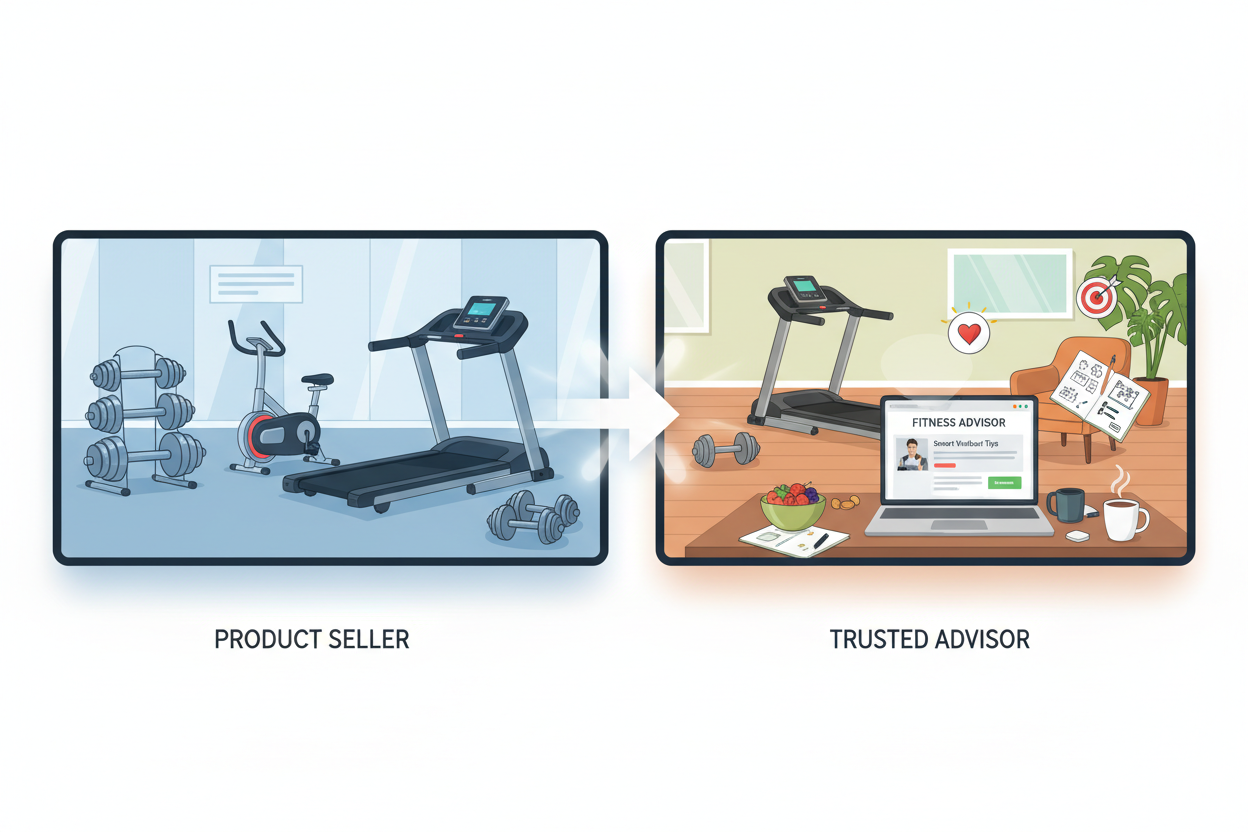
Start a blog that addresses common questions, problems, and interests related to your products. For example, if you sell fitness equipment, create content about workout routines, nutrition tips, and fitness goal setting. This positions your brand as a trusted resource rather than just another seller.
Product comparison guides, buying guides, and how-to articles perform particularly well for e-commerce sites. These types of content often rank well in search engines and help customers at different stages of the buying journey.
Video content is increasingly important for e-commerce success. Product demonstrations, unboxing videos, customer testimonials, and behind-the-scenes content can significantly boost engagement and conversions. You don’t need expensive equipment – many successful e-commerce brands create effective videos using just smartphones.
Influencer Partnerships and Collaborations 🤝
Influencer marketing has evolved beyond celebrity endorsements to include micro and nano-influencers who often deliver better engagement rates and more authentic connections with their audiences.
Micro-influencers (1,000-100,000 followers) typically have highly engaged audiences within specific niches. They’re often more affordable and willing to create authentic content showcasing your products. Look for influencers whose audiences align with your target customers and whose values match your brand.
Instead of one-off posts, consider building long-term partnerships with influencers who genuinely love your products. This creates more authentic endorsements and allows for deeper storytelling around your brand.
User-generated content campaigns encourage your existing customers to create content featuring your products. This not only provides you with authentic marketing material but also builds community around your brand.
Customer Experience Optimization 🌟
Exceptional customer experience is your most powerful marketing tool. Happy customers become repeat buyers and brand advocates who refer others to your store.
Streamline your checkout process to minimize cart abandonment. Offer multiple payment options, including digital wallets like Apple Pay and Google Pay. Be transparent about shipping costs and delivery times – surprise fees at checkout are one of the top reasons for cart abandonment.
Provide excellent customer service through multiple channels. Live chat, email support, and comprehensive FAQ sections help customers get answers quickly. Consider implementing chatbots for common questions while ensuring human support is available for complex issues.
Post-purchase experience is equally important. Send order confirmations and shipping updates, include thank-you notes or small surprises in packages, and follow up to ensure customer satisfaction. These touches create memorable experiences that encourage repeat purchases and positive reviews.
Analytics and Performance Tracking 📊
You can’t improve what you don’t measure. Implementing proper analytics tracking allows you to understand what’s working, identify opportunities for improvement, and make data-driven decisions about your marketing investments.
Google Analytics 4 provides comprehensive insights into your website traffic, user behavior, and conversion paths. Set up goals and e-commerce tracking to understand which marketing channels drive the most valuable traffic and sales.
Track key performance indicators (KPIs) relevant to your business goals. These might include website traffic, conversion rates, average order value, customer acquisition cost, customer lifetime value, and return on ad spend (ROAS).
Regular analysis and optimization should be ongoing processes. A/B test different elements of your website, email campaigns, and ads to continuously improve performance. Small improvements in conversion rates can lead to significant increases in revenue over time.
Conclusion: Your Path to E-commerce Success 🎯
Promoting your e-commerce store and boosting sales requires a multi-faceted approach that combines various strategies working together harmoniously. Success doesn’t happen overnight, but with consistent effort and smart execution, you can build a thriving online business that generates sustainable growth.
Remember that the most successful e-commerce stores focus on providing genuine value to their customers. Whether through high-quality products, exceptional service, or helpful content, putting your customers first will always be the foundation of long-term success.
Start with the strategies that align best with your resources and target audience, then gradually expand your efforts as you see results. Stay consistent, monitor your performance, and don’t be afraid to adjust your approach based on what the data tells you.
The e-commerce landscape will continue evolving, but businesses that focus on building authentic relationships with their customers and providing exceptional experiences will always find ways to thrive. Your success story starts with taking that first step – so choose one strategy from this guide and begin implementing it today! 🚀
Frequently Asked Questions ❓
How long does it take to see results from e-commerce marketing efforts?
Results vary depending on the strategy. Paid advertising can show immediate results within days, while SEO and content marketing typically take 3-6 months to gain momentum. Email marketing and social media can show results within weeks with consistent effort. The key is maintaining a long-term perspective while implementing quick-win tactics for immediate impact.
What’s the most cost-effective way to promote a new e-commerce store with a limited budget?
Focus on organic strategies first: optimize your website for SEO, create valuable content, engage actively on social media, and build an email list. These require time investment rather than large budgets. Once you start generating revenue, reinvest profits into paid advertising for faster growth.
How important are customer reviews for e-commerce success?
Customer reviews are crucial – they influence purchasing decisions for over 90% of consumers. Actively encourage satisfied customers to leave reviews, respond professionally to all feedback, and use reviews in your marketing materials. Reviews also help with SEO and can improve your search engine rankings.
Should I focus on all social media platforms or just a few?
It’s better to excel on 2-3 platforms that align with your target audience than to spread yourself thin across all platforms. Research where your ideal customers spend their time and focus your efforts there. You can always expand to additional platforms once you’ve mastered your core channels.
How do I measure the success of my e-commerce marketing efforts?
Track metrics that directly relate to your business goals: website traffic, conversion rates, average order value, customer acquisition cost, and customer lifetime value. Use tools like Google Analytics, social media insights, and email marketing analytics to monitor performance and make data-driven decisions about your marketing investments.


