

How to Promote Your Event and Sell Out Every Ticket: The Ultimate Guide to Event Marketing Success 🎫
Table of Contents
1. Understanding Your Target Audience
2. Creating Compelling Event Content
3. Leveraging Social Media Platforms
4. Building Strategic Partnerships
5. Implementing Email Marketing Campaigns
6. Utilizing Influencer Marketing
7. Optimizing Your Event Website
8. Creating Urgency and Scarcity
9. Measuring and Analyzing Your Results
10. Frequently Asked Questions
There’s nothing quite like the rush of seeing “SOLD OUT” flash across your event page. I’ve been in the event planning game for over a decade, and let me tell you – selling out tickets isn’t just about luck or having a famous headliner. It’s about strategic promotion, understanding your audience, and creating an irresistible buzz that makes people feel like they absolutely cannot miss your event.
Whether you’re organizing a small workshop, a music festival, or a corporate conference, the principles of successful event promotion remain surprisingly consistent. Today, I’m sharing the exact strategies that have helped countless event organizers transform half-empty venues into packed houses with waiting lists. 🚀
Understanding Your Target Audience: The Foundation of Event Success
Before you write a single social media post or design your first flyer, you need to know exactly who you’re talking to. I can’t stress this enough – trying to appeal to everyone usually means appealing to no one.
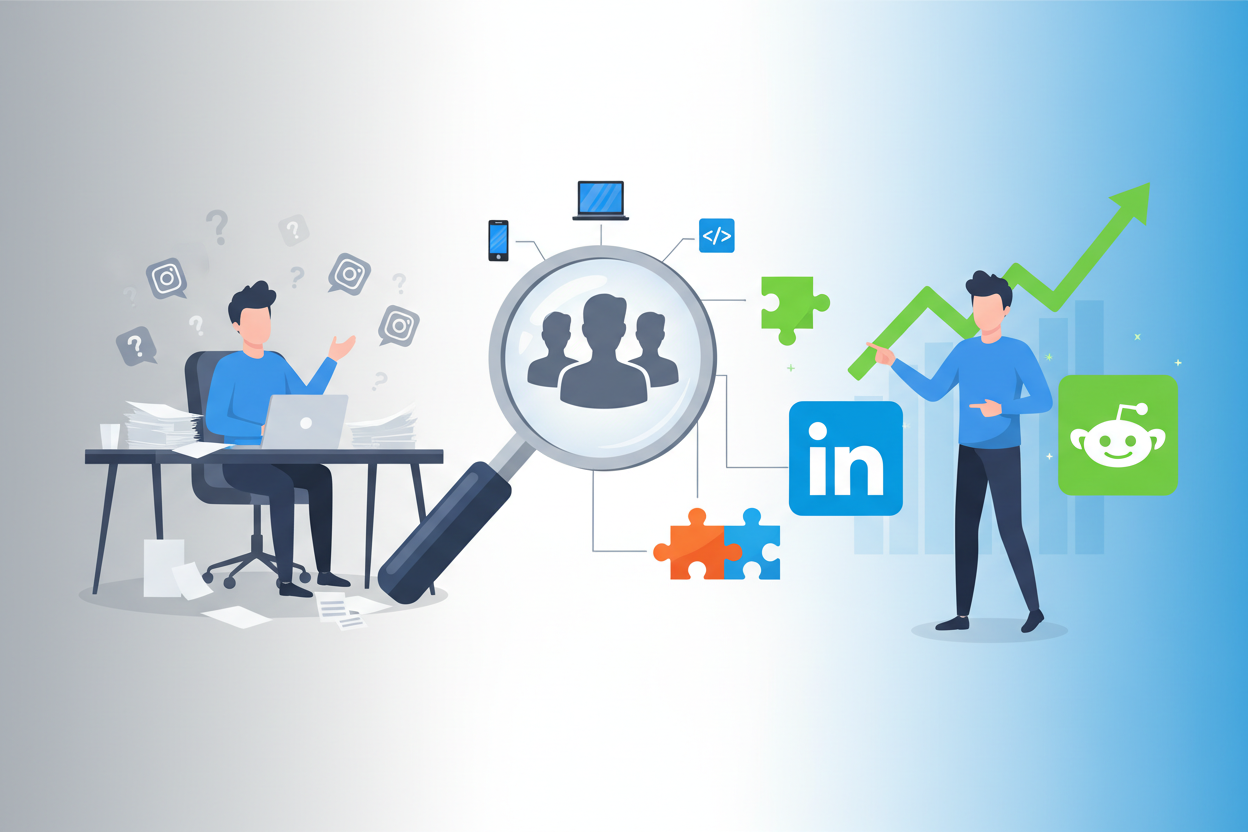
Start by creating detailed buyer personas for your ideal attendees. What are their interests? Where do they hang out online? What problems does your event solve for them? When I worked on promoting a tech conference last year, we discovered our target audience was primarily active on LinkedIn and Reddit, not Instagram. This single insight completely changed our promotional strategy and resulted in a 40% increase in ticket sales compared to the previous year.
Consider conducting surveys or interviews with past attendees if you have them. Ask about their motivations for attending, what they hoped to gain, and where they first heard about your event. This goldmine of information will guide every promotional decision you make moving forward.
Creating Compelling Event Content That Converts
Content is the fuel that powers your promotional engine. But here’s the thing – it’s not just about quantity; it’s about creating content that genuinely excites people about what you’re offering.
Your event description should tell a story, not just list features. Instead of saying “Join us for a day of networking and presentations,” try something like “Discover the insider secrets that helped three startups go from garage operations to million-dollar companies in under two years.” See the difference? One creates curiosity and desire; the other sounds like another boring business event.
Visual content is absolutely crucial in today’s attention economy. Invest in professional photography and graphic design – it’s worth every penny. Create teaser videos, behind-the-scenes content, and speaker spotlights. People buy experiences, and your visuals should give them a taste of what that experience will feel like.
Leveraging Social Media Platforms for Maximum Reach 📱
Social media isn’t just about posting and hoping for the best. Each platform has its own personality and best practices, and your strategy should reflect that.
On Instagram, focus on visually stunning content and Stories. Use relevant hashtags, but don’t go overboard – 5-10 targeted hashtags work better than 30 generic ones. Create a unique event hashtag and encourage speakers, sponsors, and early registrants to use it.
LinkedIn is perfect for professional events. Share thought leadership content from your speakers, post industry insights, and engage in relevant group discussions. Facebook excels at community building – create an event page and encourage discussions among potential attendees.
Twitter (X) is ideal for real-time updates and conversations. Share quick tips, quotes from speakers, and engage with industry conversations. Don’t forget about newer platforms like TikTok if your audience skews younger – short, creative videos can go viral and drive massive awareness.
Building Strategic Partnerships That Amplify Your Reach
One of the most underutilized strategies I see is partnership marketing. The right partnerships can literally double or triple your promotional reach overnight.
Start by identifying complementary businesses, organizations, or influencers in your space. For a fitness event, partner with local gyms, nutrition brands, and wellness influencers. For a business conference, connect with industry associations, relevant publications, and thought leaders.
Offer value in exchange for promotion. This could be free tickets, speaking opportunities, or cross-promotional arrangements. I once organized a marketing summit where we partnered with 12 different marketing agencies. Each agency promoted the event to their client base in exchange for a speaking slot for one of their experts. The result? We sold out three weeks early and had a waiting list of over 200 people.
Implementing Email Marketing Campaigns That Drive Sales 💌
Email marketing might seem old-school, but it consistently delivers the highest ROI of any digital marketing channel. The key is building a quality email list and nurturing it properly.
Start building your list months before your event. Create lead magnets like free guides, exclusive interviews with speakers, or early-bird discount codes. Segment your list based on interests and engagement levels – not everyone needs to receive every email.
Your email campaign should tell a story over time. Start with awareness-building content, move to consideration (highlighting speakers, agenda, testimonials), and finish with conversion-focused messages that create urgency. I typically send 8-12 emails over a 3-month promotion period, with frequency increasing as the event approaches.
Personalization goes beyond using someone’s first name. Reference their location, past event attendance, or expressed interests. The more relevant your message feels, the higher your conversion rates will be.
Utilizing Influencer Marketing for Authentic Promotion
Influencer marketing isn’t just for fashion brands and lifestyle products. The right influencers can add credibility and reach to your event promotion that you simply can’t achieve on your own.
Look for micro-influencers (1,000-100,000 followers) in your industry rather than mega-influencers. They typically have higher engagement rates and more authentic connections with their audiences. A food blogger with 10,000 engaged followers might be more valuable for your culinary event than a celebrity chef with a million passive followers.
Provide influencers with exclusive content they can share – behind-the-scenes access, interviews with speakers, or special discount codes for their followers. Make it easy for them to promote your event by providing ready-to-use content, but also give them creative freedom to make it authentic to their voice.
Optimizing Your Event Website for Conversions 🌐
Your event website is your 24/7 salesperson, and it needs to be optimized accordingly. Every element should guide visitors toward one goal: purchasing tickets.
Your headline should immediately communicate the value proposition. Use social proof prominently – testimonials from past attendees, logos of well-known speakers or sponsors, and real-time ticket counters showing how many people have already registered.
Make the ticket purchasing process as frictionless as possible. Reduce form fields to the absolute minimum, offer multiple payment options, and ensure the process works flawlessly on mobile devices. According to recent studies, 60% of event tickets are now purchased on mobile devices.
Create urgency with limited-time offers, early-bird pricing, and countdown timers. But be genuine about it – false scarcity will backfire if discovered.
Creating Urgency and Scarcity to Drive Immediate Action ⏰
Humans are naturally procrastinators, especially when it comes to non-essential purchases like event tickets. Creating legitimate urgency and scarcity helps overcome this natural tendency.
Implement tiered pricing that increases over time. Early-bird tickets should offer significant savings – I recommend at least 25-30% off the final price. Create multiple tiers: super early-bird, early-bird, regular, and last-minute pricing.
Limited seating creates natural scarcity, but you can enhance this with VIP packages, workshop add-ons, or exclusive networking sessions that have even more limited availability. Share real-time updates about how many tickets remain, but only if it’s accurate – your credibility depends on it.
Flash sales and 24-hour promotions can create immediate spikes in sales. I often use these strategically when sales momentum slows down or to re-engage people who showed interest but haven’t purchased yet.
Measuring and Analyzing Your Results for Continuous Improvement
What gets measured gets improved. Set up proper tracking from day one so you can understand which promotional efforts are actually driving ticket sales.
Use UTM parameters in all your links to track which channels are performing best. Set up conversion tracking in Google Analytics and your social media platforms. Monitor metrics like website traffic, email open rates, social media engagement, and most importantly, conversion rates from each channel.
Don’t just look at vanity metrics like likes and shares – focus on metrics that directly correlate with ticket sales. A social media post with 100 likes might drive more sales than one with 1,000 likes if it reaches the right audience with the right message.
Conduct a post-event analysis to understand what worked and what didn’t. Survey attendees about how they heard about your event and what convinced them to purchase. This data becomes invaluable for planning your next event’s promotional strategy.
Conclusion: Your Path to Sold-Out Success
Selling out your event isn’t about having the biggest budget or the most famous speakers – it’s about understanding your audience, creating compelling reasons to attend, and systematically building excitement and urgency around your event.
The strategies I’ve shared have been tested across hundreds of events, from intimate workshops to large-scale conferences. The key is to start early, be consistent, and always focus on the value you’re providing to attendees.
Remember, every sold-out event starts with a single ticket sale. Focus on creating an amazing experience, promote it authentically and strategically, and watch as your event transforms from an idea into a must-attend experience that people are excited to be part of. 🎉
Frequently Asked Questions
Q: How far in advance should I start promoting my event?
A: For most events, start promoting 3-4 months in advance. Larger events or those requiring travel may need 6+ months. Begin with awareness-building content and gradually increase promotion intensity as the event approaches.
Q: What’s the most effective promotional channel for events?
A: It depends on your audience, but email marketing consistently delivers the highest ROI. However, the best approach is using multiple channels that work together – social media for awareness, email for nurturing, and partnerships for extended reach.
Q: How do I price my tickets to maximize sales?
A: Research similar events in your area and industry. Implement tiered pricing with early-bird discounts of 25-30%. Test different price points with small groups before your main launch. Remember, people often associate higher prices with higher value.
Q: Should I offer refunds on event tickets?
A: Having a clear, fair refund policy actually increases sales by reducing purchase anxiety. Consider offering full refunds up to 30 days before the event, then partial refunds closer to the date. Always communicate your policy clearly during the purchase process.
Q: How can I create buzz for a first-time event with no track record?
A: Focus on your speakers, content quality, and unique value proposition. Partner with established organizations or influencers who can lend credibility. Offer early-bird pricing and exclusive previews to build initial momentum. Document everything for social proof as you grow.


