

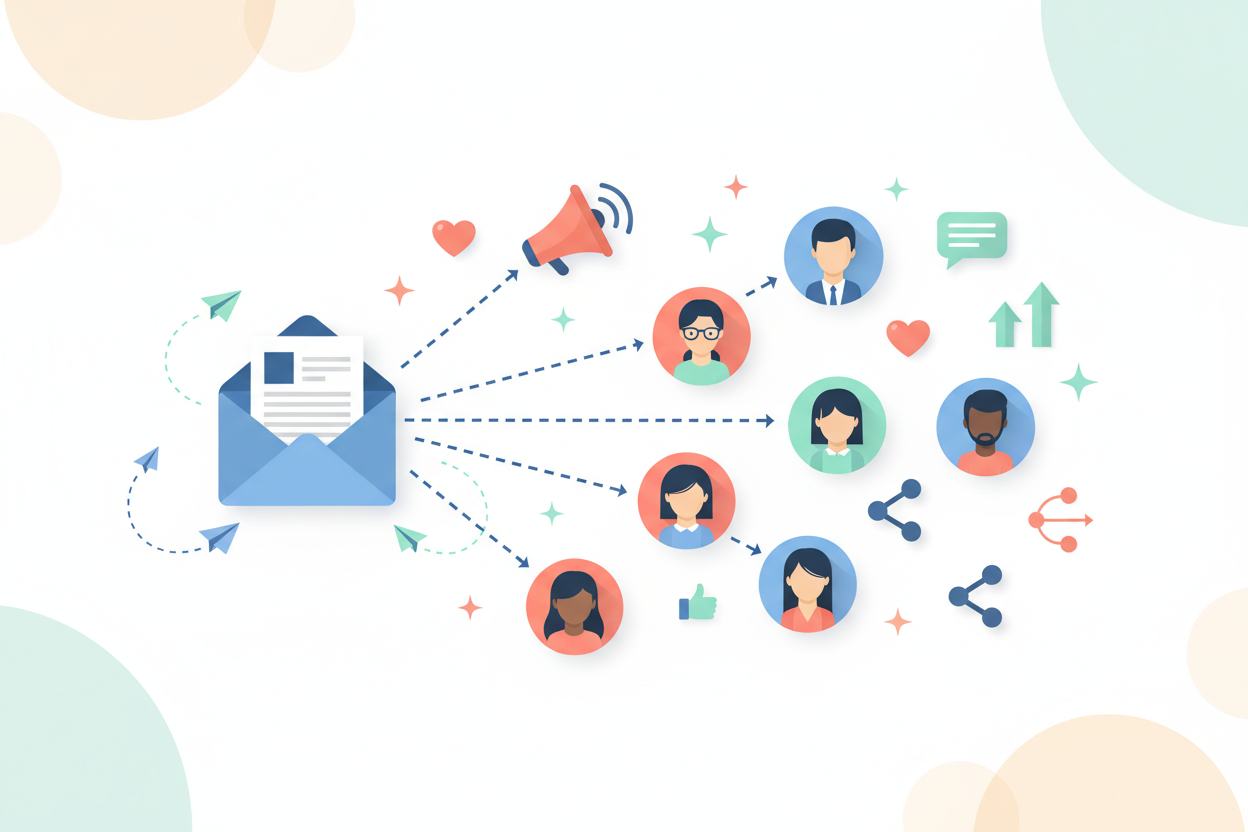
How to Promote Your Newsletter and Build a Loyal Readership 📧
Table of Contents
1. Introduction
2. Understanding Your Newsletter’s Value Proposition
3. Leveraging Social Media for Newsletter Growth
4. Creating Irresistible Lead Magnets
5. Optimizing Your Website for Newsletter Signups
6. Building Strategic Partnerships
7. Crafting Content That Keeps Readers Coming Back
8. Using Email Marketing Best Practices
9. Measuring Success and Adjusting Your Strategy
10. Conclusion
11. Frequently Asked Questions
Introduction
Building a newsletter from scratch feels like trying to start a conversation in an empty room. You’re putting your heart into every email, crafting compelling subject lines, and hitting send – only to see those subscriber numbers crawling along at a snail’s pace. Trust me, I’ve been there, staring at my analytics dashboard wondering if anyone actually cares about what I have to say. 😅

But here’s the thing about newsletter marketing: it’s one of the most powerful tools in your digital marketing arsenal when done right. With an average ROI of $42 for every dollar spent, email marketing consistently outperforms social media, paid advertising, and content marketing combined. The secret isn’t just creating great content – it’s knowing how to get that content in front of the right people and keeping them engaged week after week.
In this comprehensive guide, we’ll explore proven strategies to promote your newsletter effectively and build a community of loyal readers who eagerly await your next email. Whether you’re just starting out or looking to revitalize your existing newsletter, these tactics will help you transform your subscriber list from a collection of email addresses into a thriving community.
Understanding Your Newsletter’s Value Proposition
Before diving into promotion tactics, let’s talk about the foundation of any successful newsletter: your unique value proposition. What makes your newsletter different from the hundreds of others flooding your subscribers’ inboxes? This isn’t just marketing fluff – it’s the core reason people will choose to subscribe and stay subscribed.
Your value proposition should answer three critical questions: What exclusive insights do you provide? How do you solve your readers’ problems? What can’t they get anywhere else? For instance, Morning Brew succeeded by making business news digestible and entertaining for young professionals, while The Hustle focuses on unconventional business stories with a conversational tone.
Take a moment to write down your newsletter’s unique angle. Maybe you’re the go-to source for actionable marketing tips, or perhaps you curate the week’s best productivity hacks. Whatever it is, make it crystal clear in every piece of promotional content you create. Your value proposition should be so compelling that when someone hears about your newsletter, they immediately understand why they need it in their life.
Leveraging Social Media for Newsletter Growth 📱
Social media platforms are goldmines for newsletter promotion, but the key is understanding how each platform works and tailoring your approach accordingly. On Twitter, share quick insights from your latest newsletter with a “Read more in my newsletter” call-to-action. LinkedIn works brilliantly for professional newsletters – post thought-provoking questions or industry observations that naturally lead to newsletter signup opportunities.
Instagram Stories offer a more personal touch. Share behind-the-scenes content about your newsletter creation process, or use the swipe-up feature (if you have it) to drive direct signups. Don’t forget about Instagram Reels – short, engaging videos explaining your newsletter’s benefits can reach entirely new audiences through the algorithm.
Facebook groups remain underutilized for newsletter promotion. Join groups where your target audience hangs out and provide genuine value through helpful comments and posts. When appropriate, mention your newsletter as a resource, but always prioritize helpfulness over self-promotion. Remember, social media is about building relationships first, conversions second.
Creating Irresistible Lead Magnets 🎯
A lead magnet is essentially a valuable freebie you offer in exchange for someone’s email address. The best lead magnets solve a specific problem your target audience faces and provide immediate value. Think checklists, templates, exclusive reports, or mini-courses that people can’t resist downloading.
The key to effective lead magnets is specificity. Instead of “The Ultimate Marketing Guide,” try “The 5-Minute Daily Marketing Checklist That Doubled My Client’s Revenue.” The more specific and benefit-focused your lead magnet, the higher your conversion rates will be. I’ve seen conversion rates jump from 2% to 15% simply by making lead magnets more targeted and actionable.
Don’t create just one lead magnet and call it done. Develop multiple lead magnets for different segments of your audience or different stages of their journey. A beginner might need a “Getting Started” checklist, while an advanced reader might prefer an in-depth case study. This approach allows you to capture subscribers with varying needs and interests.
Optimizing Your Website for Newsletter Signups ✨
Your website should be a newsletter signup machine, but subtle about it. Nobody likes aggressive pop-ups that appear the second they land on your site. Instead, focus on strategic placement and compelling copy that makes signing up feel like a natural next step.
Start with your homepage. Include a newsletter signup form above the fold with clear benefits. “Join 5,000+ marketers getting weekly insights delivered to their inbox” works better than “Subscribe to our newsletter.” Numbers add social proof, and specific benefits beat generic calls-to-action every time.
Blog posts are newsletter signup goldmines. Add content upgrades – bonus materials related to each post that require an email signup. If you’re writing about social media strategy, offer a content calendar template. Writing about productivity? Create a bonus worksheet. This approach converts at higher rates because readers are already engaged with your content.
Don’t forget about your About page – it’s often one of the most visited pages on websites. Include a personal story about why you started your newsletter and what readers can expect. People subscribe to people, not just content.
Building Strategic Partnerships 🤝
Partnership marketing can exponentially grow your newsletter subscriber base, but it requires a strategic approach. Look for complementary businesses or creators who serve a similar audience but aren’t direct competitors. A fitness newsletter might partner with a healthy recipe blog, or a personal finance newsletter could collaborate with a budgeting app.
Newsletter swaps are particularly effective. You promote another newsletter to your subscribers, and they promote yours to theirs. This works best when both newsletters have similar subscriber counts and engagement rates. Start small with creators in your network, then gradually reach out to larger newsletters as your own grows.
Guest posting remains a powerful strategy, but with a twist. Instead of just including a bio link, create content upgrades specifically for each guest post. This targeted approach often converts better than generic newsletter signups because the lead magnet directly relates to the content the reader just consumed.
Consider podcast appearances as well. Podcasts have incredibly engaged audiences, and hosts often ask guests how listeners can connect with them. Have a specific landing page ready for podcast listeners, possibly with a special lead magnet that relates to your interview topic.
Crafting Content That Keeps Readers Coming Back 💎
Promotion gets people to subscribe, but content keeps them subscribed. The most successful newsletters have a consistent voice, format, and value delivery that readers come to expect and crave. Think of your newsletter like a TV show – people tune in because they know what they’re going to get, but each episode offers something new and valuable.
Develop a consistent structure that makes your newsletter easy to scan and digest. Maybe you always start with a personal story, include three key insights, and end with a recommended resource. This predictability helps busy readers quickly extract value from your emails, increasing the likelihood they’ll continue opening future newsletters.
Storytelling transforms dry information into memorable experiences. Instead of just sharing tips, wrap them in stories about how you or your clients implemented them. People remember stories far better than bullet points, and stories create emotional connections that keep subscribers engaged long-term.
Interactive elements can significantly boost engagement. Ask questions that encourage replies, run polls, or create challenges for your subscribers. When people interact with your newsletter, they’re more likely to stay subscribed and look forward to your next email. Plus, replies improve your email deliverability rates.
Using Email Marketing Best Practices 📊
Technical excellence matters as much as great content when it comes to newsletter success. Your emails need to reach inboxes, look good on all devices, and provide a seamless reading experience. Start with a reliable email service provider that offers good deliverability rates, mobile optimization, and detailed analytics.
Subject lines make or break your open rates. Avoid spam trigger words like “free,” “urgent,” or excessive punctuation marks. Instead, focus on curiosity, benefit, or urgency without being pushy. “The mistake that’s killing your productivity” works better than “FREE productivity tips inside!!!” A/B testing different subject line approaches will help you understand what resonates with your specific audience.
Timing matters more than you might think. Most newsletters perform best when sent on Tuesday, Wednesday, or Thursday mornings, but this varies by audience and industry. Test different sending times and days to find your sweet spot. B2B newsletters often perform better on weekdays, while lifestyle newsletters might do well on weekends.
Segmentation can dramatically improve your newsletter performance. Not all subscribers are at the same stage of their journey or interested in the same topics. Create segments based on interests, engagement levels, or subscriber behavior, then tailor content accordingly. A highly engaged segment might appreciate longer, more detailed content, while new subscribers might need more foundational information.
Measuring Success and Adjusting Your Strategy 📈
What gets measured gets improved. Newsletter success isn’t just about subscriber count – engagement metrics often matter more. A newsletter with 1,000 highly engaged subscribers who regularly open, click, and reply is more valuable than one with 10,000 passive subscribers.
Track your open rates, click-through rates, and unsubscribe rates, but also pay attention to qualitative feedback. Are people replying to your emails? Sharing your content on social media? Mentioning your newsletter in conversations? These engagement signals often predict long-term success better than vanity metrics.
Set up a regular review schedule – monthly or quarterly – to analyze your newsletter performance and adjust your strategy. Look for patterns in your most successful emails. What topics generated the most engagement? Which subject lines had the highest open rates? Use these insights to refine your content strategy and promotional efforts.
Don’t be afraid to survey your subscribers directly. Ask what they love about your newsletter, what they’d like to see more of, and how you can serve them better. This feedback is invaluable for improving your content and can often reveal new promotional opportunities or partnership ideas.
Conclusion
Building a successful newsletter isn’t about finding one magic trick – it’s about consistently executing multiple strategies while staying true to your unique voice and value proposition. The most successful newsletter creators I know didn’t achieve overnight success; they built their audiences steadily by providing consistent value and promoting their newsletters strategically across multiple channels.
Remember that newsletter growth is a marathon, not a sprint. Focus on creating genuine value for your readers, and the growth will follow. Start with one or two promotional strategies from this guide, master them, then gradually expand your efforts. Your future self – and your loyal subscribers – will thank you for the consistent effort you put in today.
The newsletter landscape is more competitive than ever, but that also means there’s never been a better time to stand out with authentic, valuable content. Your unique perspective and expertise have the power to inform, inspire, and connect with readers in ways that social media posts and blog articles simply can’t match. Now go forth and build that loyal readership – your audience is waiting to hear from you! 🚀
Frequently Asked Questions
How often should I send my newsletter?
Consistency matters more than frequency. Whether you choose weekly, bi-weekly, or monthly, stick to your schedule. Most successful newsletters send weekly or bi-weekly content, but find a rhythm you can maintain long-term without burning out.
What’s a good open rate for newsletters?
Average open rates vary by industry, but generally, 20-25% is considered good, while 25%+ is excellent. However, focus more on engagement trends over time rather than comparing to industry averages, as your audience and content are unique.
How long should my newsletter be?
There’s no perfect length – it depends on your audience and content type. Some successful newsletters are just a few paragraphs, while others are comprehensive weekly digests. Test different lengths and see what generates the best engagement from your specific audience.
Should I buy email lists to grow faster?
Never buy email lists. This practice violates anti-spam laws, hurts your deliverability, and results in low-quality subscribers who are likely to unsubscribe or mark you as spam. Focus on organic growth strategies that attract genuinely interested readers.
How do I prevent my newsletters from going to spam?
Use a reputable email service provider, avoid spam trigger words in subject lines, maintain good list hygiene by removing inactive subscribers, and encourage subscribers to add your email to their contacts. Also, ensure you have proper authentication (SPF, DKIM) set up.
What’s the best day and time to send newsletters?
Tuesday through Thursday, between 9-11 AM, typically perform well, but this varies by audience. B2B newsletters often do better on weekdays, while lifestyle content might perform well on weekends. Test different times with your specific audience to find your optimal sending window.


