


International Traffic: Promoting Your Business Globally 🌍
Table of Contents
1. Introduction to Global Business Promotion
2. Understanding International Markets
3. Digital Marketing Strategies for Global Reach
4. SEO Optimization for International Audiences
5. Social Media Marketing Across Borders
6. Content Localization and Cultural Adaptation
7. Building Trust with International Customers
8. Measuring Success in Global Markets
9. Common Challenges and Solutions
10. Conclusion
11. Frequently Asked Questions
Introduction to Global Business Promotion 🚀
In today’s interconnected world, the opportunity to expand your business beyond domestic borders has never been more accessible. With over 4.95 billion internet users worldwide, the potential for international traffic represents an enormous untapped market for most businesses. Whether you’re a small startup or an established company, promoting your business globally can significantly boost your revenue, brand recognition, and long-term sustainability.
But here’s the thing – going global isn’t just about translating your website into different languages and hoping for the best. It requires a strategic approach that considers cultural nuances, local market preferences, and region-specific digital behaviors. The good news? With the right strategies and tools, any business can successfully attract international traffic and build a global presence.
This comprehensive guide will walk you through proven methods to promote your business internationally, from understanding diverse markets to implementing effective digital marketing strategies that resonate with audiences across different continents.
Understanding International Markets 🎯
Before diving headfirst into international promotion, you need to understand that each market is unique. What works in North America might fall flat in Southeast Asia, and what’s considered engaging content in Europe could be perceived differently in Latin America.
Start by researching your target international markets thoroughly. Look at local competitors, study consumer behavior patterns, and identify the most popular platforms and channels in each region. For instance, while Facebook dominates in many Western countries, platforms like WeChat in China or VKontakte in Russia might be more effective for reaching local audiences.
Consider factors like purchasing power, payment preferences, shipping expectations, and even color preferences in your target markets. These seemingly small details can make or break your international expansion efforts. Remember, successful global promotion begins with respect and understanding of local cultures and preferences.
Digital Marketing Strategies for Global Reach 💻
Digital marketing forms the backbone of international business promotion. Unlike traditional advertising, digital channels allow you to reach global audiences cost-effectively and measure results in real-time.
Pay-per-click (PPC) advertising through Google Ads and Bing Ads can provide immediate visibility in international markets. Start with English-speaking countries if you’re new to international marketing, then gradually expand to non-English markets as you gain experience and resources for proper localization.
Email marketing remains one of the most effective channels for international promotion, boasting an average ROI of $42 for every dollar spent. However, be mindful of different regulations like GDPR in Europe or CAN-SPAM in the United States. Segment your email lists by geography and customize content to match local preferences and time zones.
Influencer marketing has also proven highly effective for international promotion. Partnering with local influencers who understand their audience’s language, culture, and preferences can provide authentic endorsements that resonate much better than generic international campaigns.
SEO Optimization for International Audiences 🔍
International SEO is a game-changer for businesses looking to attract organic traffic from global markets. It involves optimizing your website to rank well in search engines across different countries and languages.
Start by implementing hreflang tags to tell search engines which language and region each page targets. This prevents duplicate content issues and ensures users see the most relevant version of your site. For example, you might have separate pages for English speakers in the US, UK, and Australia, each optimized for local search patterns.
Keyword research becomes more complex in international SEO. Tools like SEMrush, Ahrefs, or Google Keyword Planner can help you identify popular search terms in different countries. Don’t assume direct translations will work – research local terminology and search behaviors. For instance, “football” means different sports in different countries!
Consider your website structure carefully. You can use country-code top-level domains (ccTLDs) like .co.uk or .de, subdirectories like yoursite.com/uk/, or subdomains like uk.yoursite.com. Each approach has pros and cons, so choose based on your resources and long-term strategy.
Social Media Marketing Across Borders 📱
Social media platforms vary significantly in popularity across different regions, making platform selection crucial for international success. While Instagram and Facebook have global reach, platforms like TikTok dominate younger demographics worldwide, and LinkedIn remains the go-to for B2B marketing internationally.
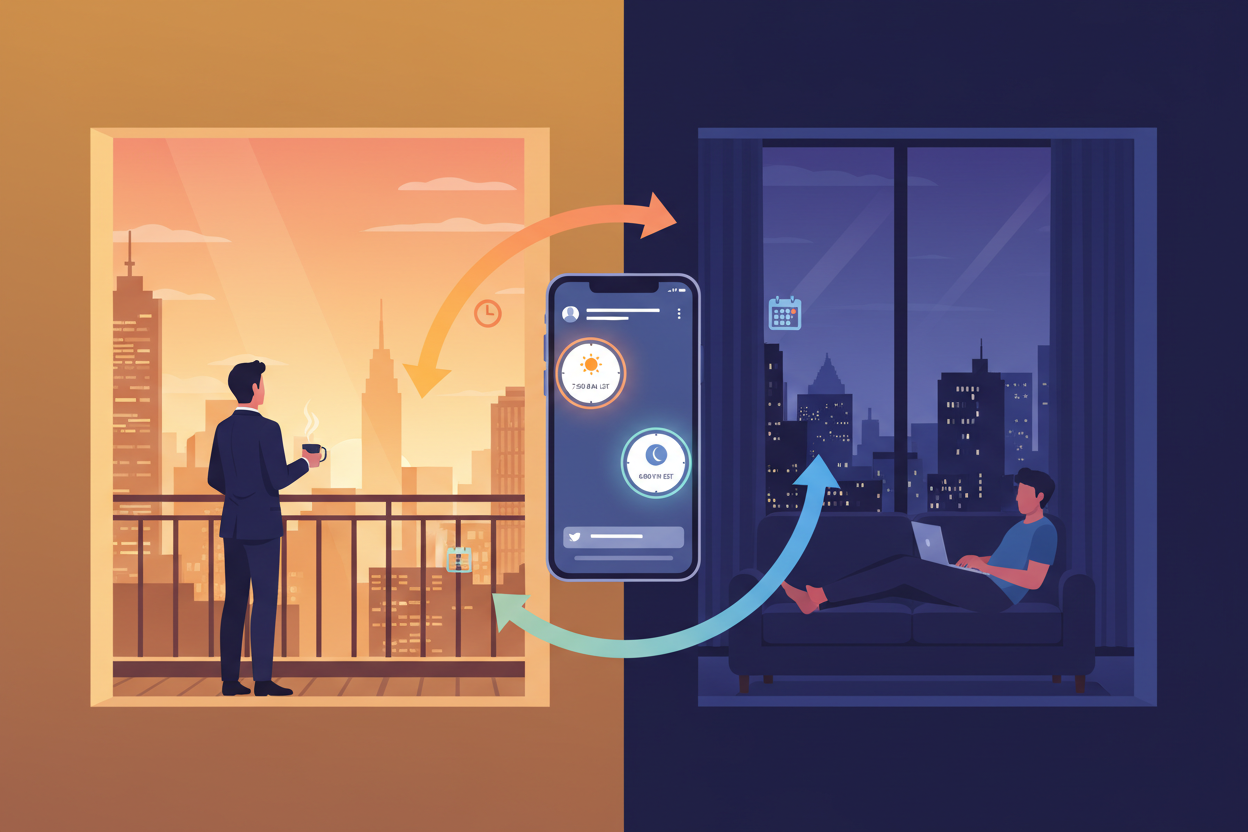
Timing is everything in social media marketing. When your target audience in Tokyo is having morning coffee, your audience in New York is winding down for the evening. Use scheduling tools to post content when your international audiences are most active, and consider maintaining separate accounts for different time zones if your audience is large enough.
Visual content often transcends language barriers, making platforms like Instagram, Pinterest, and YouTube excellent for international promotion. However, be mindful of cultural sensitivities around imagery, colors, and symbols. What’s considered positive in one culture might have negative connotations in another.
User-generated content (UGC) can be particularly powerful for international marketing. Encourage customers from different countries to share their experiences with your products or services. This authentic content builds trust and provides social proof that resonates with local audiences.
Content Localization and Cultural Adaptation 🌏
Content localization goes far beyond simple translation. It involves adapting your message, tone, imagery, and even product offerings to match local cultural preferences and expectations.
Professional translation services are essential for important content, but consider transcreation for marketing materials. Transcreation involves recreating content in another language while maintaining the original intent, emotion, and cultural relevance. A witty headline that works perfectly in English might need complete restructuring to have the same impact in Japanese or Spanish.
Local holidays, traditions, and cultural events present excellent opportunities for targeted content. Create campaigns around Chinese New Year for Asian markets, Diwali for Indian audiences, or Ramadan for Muslim-majority countries. This shows cultural awareness and helps build stronger connections with international audiences.
Consider legal and regulatory differences too. Privacy laws, advertising standards, and industry regulations vary by country. What’s acceptable marketing practice in one country might be illegal in another, so always research local requirements before launching international campaigns.
Building Trust with International Customers 🤝
Trust is the foundation of successful international business relationships. International customers face additional concerns about shipping times, return policies, customer service availability, and payment security when dealing with foreign businesses.
Display trust signals prominently on your website. This includes security certificates, customer testimonials from various countries, local phone numbers or chat support, and clear shipping and return policies. If you have physical presence or partnerships in target countries, highlight these prominently.
Offer multiple payment options that are popular in your target markets. While credit cards are widely accepted globally, many countries prefer alternative payment methods. PayPal is popular in many Western countries, Alipay dominates in China, and SEPA transfers are common in Europe.
Customer service becomes more complex with international expansion. Consider offering support in local languages and time zones. Even if you can’t provide 24/7 multilingual support initially, clearly communicate your support hours and response times in local time zones.
Measuring Success in Global Markets 📊
Tracking international marketing performance requires more sophisticated analytics setups than domestic campaigns. Google Analytics 4 offers robust international tracking capabilities, allowing you to segment traffic by country, language, and device type.
Set up conversion tracking for different markets to understand which countries provide the highest value customers. This data helps you allocate marketing budgets more effectively and identify markets worth additional investment.
Monitor key performance indicators (KPIs) that matter for international business: international traffic growth, conversion rates by country, average order value by region, and customer acquisition costs across different markets. These metrics help you understand which strategies work best in which markets.
Don’t forget to track brand awareness metrics in international markets. Tools like Google Trends, social media monitoring platforms, and brand mention tracking can help you understand how your international marketing efforts are building brand recognition over time.
Common Challenges and Solutions ⚡
International promotion comes with unique challenges, but most have proven solutions. Currency fluctuations can affect pricing strategies – consider dynamic pricing tools or local currency pricing to minimize this impact.
Shipping and logistics often present the biggest hurdles for international e-commerce. Partner with reliable international shipping providers, clearly communicate delivery times, and consider local fulfillment centers for high-volume markets.
Language barriers extend beyond content translation. Customer service, technical support, and even user interface elements need consideration. Start with markets where you can provide adequate support, then expand as your capabilities grow.
Legal compliance varies significantly between countries. Invest in legal consultation for major markets, especially regarding data privacy, consumer protection, and industry-specific regulations. It’s better to enter fewer markets properly than to risk legal issues by expanding too quickly.
Conclusion 🎉
Promoting your business globally opens doors to incredible growth opportunities, but success requires careful planning, cultural sensitivity, and strategic execution. The key is starting small, learning from each market, and gradually expanding your international presence as you build expertise and resources.
Remember that international promotion is a marathon, not a sprint. Building trust and recognition in new markets takes time, but the long-term benefits – increased revenue, brand recognition, and business resilience – make the investment worthwhile.
Begin with thorough market research, choose your initial target countries carefully, and focus on providing excellent customer experiences. As you gain confidence and see results, you can expand to additional markets and implement more sophisticated international marketing strategies.
The global marketplace is waiting for businesses brave enough to step beyond their borders. With the strategies outlined in this guide, you’re well-equipped to start your international promotion journey and tap into the vast potential of global markets.
Frequently Asked Questions ❓
Q: How much should I budget for international marketing?
A: Start with 10-20% of your total marketing budget for international efforts. As you see results and gain experience, you can increase this percentage. Focus on one or two markets initially rather than spreading resources too thin across many countries.
Q: Which countries should I target first for international expansion?
A: Begin with English-speaking countries if English is your primary language, as this reduces localization costs. Consider factors like market size, competition level, shipping feasibility, and cultural similarity to your home market when choosing initial targets.
Q: Do I need separate websites for different countries?
A: Not necessarily. You can start with a single website using subdirectories (yoursite.com/country/) or subdomains (country.yoursite.com). Separate websites become beneficial when you have significant traffic and resources for dedicated local content and SEO efforts.
Q: How long does it take to see results from international marketing?
A: Paid advertising can show immediate results, while SEO and organic efforts typically take 3-6 months to gain traction. Building significant brand awareness and customer trust in new markets usually takes 6-12 months of consistent effort.
Q: Should I hire local marketing agencies for international promotion?
A: Local agencies can provide valuable cultural insights and market knowledge, especially for non-English markets. However, ensure they understand your brand and maintain consistent messaging across all markets. Consider hybrid approaches combining internal coordination with local execution.


