


Seasonal Traffic Patterns: How to Promote During Peak Times 🚀
Table of Contents
1. Understanding Seasonal Traffic Patterns
2. Identifying Your Peak Season Opportunities
3. Pre-Season Preparation Strategies
4. Peak Season Marketing Tactics That Work
5. Maximizing Revenue During High-Traffic Periods
6. Post-Peak Season Follow-Up
7. Common Mistakes to Avoid
8. Tools and Resources for Tracking Seasonal Trends
9. Frequently Asked Questions
Have you ever noticed how certain times of the year feel like a goldmine for your business, while others leave you wondering where all your customers went? 🤔 You’re not imagining things – seasonal traffic patterns are real, predictable, and incredibly powerful when leveraged correctly.
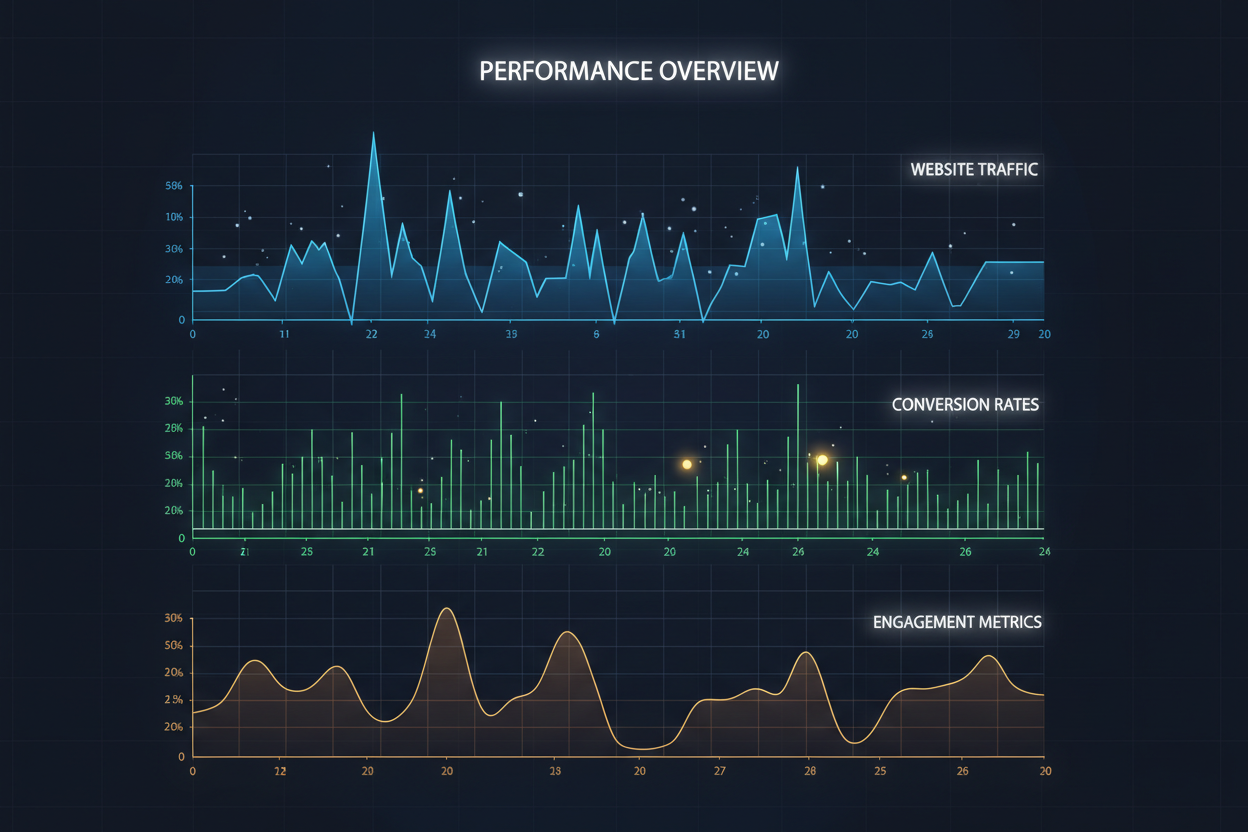
Whether you’re running an e-commerce store that explodes during Black Friday, a fitness blog that peaks in January, or a travel website that soars during summer vacation planning season, understanding and capitalizing on these patterns can make or break your annual revenue goals.
I’ve spent years analyzing traffic data across hundreds of websites, and I can tell you this: businesses that master seasonal promotion strategies consistently outperform those that don’t by 300% or more during peak periods. The difference isn’t luck – it’s strategic preparation and execution.
Understanding Seasonal Traffic Patterns 📊
Seasonal traffic patterns aren’t just about holidays and weather changes. They’re complex rhythms driven by human behavior, cultural events, economic cycles, and even psychological factors. Think about it – people don’t just suddenly decide to buy winter coats in December. They start thinking about it in October, researching in November, and purchasing throughout the cold season.

These patterns vary dramatically by industry. While retail businesses might see massive spikes during holiday seasons, B2B companies often experience their peaks during budget planning periods – typically Q1 and Q4. Educational content tends to surge when people are setting New Year’s resolutions or preparing for back-to-school season.
The key insight here is that seasonal traffic isn’t random. It follows predictable cycles that you can analyze, anticipate, and capitalize on. Smart marketers don’t just react to these patterns – they get ahead of them.
Identifying Your Peak Season Opportunities 🎯
Before you can promote effectively during peak times, you need to identify when those peak times actually occur for your specific business. This requires digging into your analytics data with a detective’s mindset.
Start by analyzing at least two years of traffic data. Look for recurring spikes and dips that happen around the same time each year. Don’t just focus on overall traffic – examine conversion rates, average order values, and engagement metrics too. Sometimes a smaller traffic spike with higher conversion rates is more valuable than massive traffic that doesn’t convert.
Pay attention to leading indicators as well. If your peak sales happen in December, you might notice search traffic starting to climb in October. This early surge represents your preparation window – the time when people are researching but not yet ready to buy.
Industry benchmarks can provide additional insights, but remember that your business is unique. A general “holiday season” might not apply if you’re selling tax preparation software or graduation gifts. Your peak might be completely different from your competitors’, and that’s actually an advantage if you recognize it early.
Pre-Season Preparation Strategies 🛠️
The most successful seasonal campaigns start months before the actual peak period. This preparation phase is where you lay the groundwork for explosive growth when the time comes.
Content creation should be your first priority. During peak season, you’ll be too busy managing increased traffic and orders to create new content. Start building your seasonal content library early – blog posts, social media content, email sequences, and promotional materials should all be ready to deploy.
p>Technical preparation is equally crucial. Nothing kills a peak season campaign faster than a website that crashes under increased traffic. Conduct load testing, optimize your site speed, and ensure your hosting can handle traffic spikes. If you’re running an e-commerce site, test your checkout process thoroughly and have customer service protocols in place.
Inventory management might seem obvious for physical products, but it applies to digital businesses too. Do you have enough customer service staff? Are your email sequences set up to handle increased subscriber volumes? Have you prepared additional content to keep engagement high during busy periods?
Peak Season Marketing Tactics That Work 💡
When peak season arrives, your marketing approach needs to shift into high gear. This isn’t the time for subtle, long-term brand building – it’s time for direct, conversion-focused campaigns that capitalize on heightened demand.
Paid advertising becomes incredibly powerful during peak seasons, but also more competitive and expensive. The key is to start early and scale gradually. Begin your campaigns before the peak hits to establish momentum and gather data on what’s working. Then increase budgets aggressively when you identify winning combinations.
Email marketing often delivers the highest ROI during peak periods because your existing audience is already warmed up and ready to buy. Create urgency with limited-time offers, but make sure the urgency is real. People can sense fake scarcity, and it damages trust.
Social media strategies should focus on real-time engagement and user-generated content. Peak seasons create natural opportunities for customers to share their experiences, purchases, and excitement. Encourage this sharing and amplify the best content to create social proof that drives more conversions.
Maximizing Revenue During High-Traffic Periods 💰
High traffic doesn’t automatically equal high revenue. Converting that increased attention into actual sales requires strategic optimization across every touchpoint of your customer journey.
Pricing strategy becomes critical during peak periods. While it might be tempting to discount heavily to attract more customers, remember that peak seasons often allow for premium pricing due to increased demand and urgency. Test different price points and focus on value communication rather than just low prices.
Cross-selling and upselling opportunities multiply during peak seasons because customers are already in a buying mindset. Implement strategic product recommendations, bundle offers, and upgrade suggestions throughout your sales process. A customer buying a winter coat might also need gloves, scarves, and boots.
Personalization becomes even more important when traffic volumes are high. Use behavioral data to show relevant products, customize email content, and create targeted landing pages for different customer segments. The more relevant your offerings feel, the higher your conversion rates will be.
Post-Peak Season Follow-Up 🔄
What happens after your peak season ends is just as important as the peak itself. This is your opportunity to turn seasonal customers into year-round advocates and set the foundation for next year’s success.
Customer retention should be your immediate focus. Peak season often brings new customers who might disappear if you don’t nurture them properly. Create post-purchase email sequences that provide value beyond just the transaction. Share tips for using their purchase, related content, and gentle introductions to your other products or services.
Data analysis during this period is gold. While everything is fresh in your mind, document what worked, what didn’t, and why. Create detailed reports on traffic sources, conversion rates, customer feedback, and operational challenges. This analysis will be invaluable when planning next year’s campaigns.
Relationship building with new customers acquired during peak season can provide steady revenue throughout slower periods. Offer exclusive content, early access to sales, or special customer-only resources to keep engagement high even when demand naturally decreases.
Common Mistakes to Avoid ❌
Even experienced marketers make costly mistakes during peak seasons. Learning from these common pitfalls can save you significant revenue and stress.
Starting too late is probably the most expensive mistake. Peak season preparation should begin at least 3-4 months in advance for major campaigns. Waiting until the last minute means competing with everyone else for limited advertising space, higher costs, and rushed execution that leads to errors.
Ignoring capacity limitations has killed many promising peak season campaigns. Whether it’s website hosting, customer service, inventory, or fulfillment capabilities, know your limits and plan accordingly. It’s better to slightly under-promise and over-deliver than to create a poor customer experience during your most important time of year.
Focusing solely on acquisition while ignoring retention is another common error. Yes, peak seasons are great for attracting new customers, but don’t forget about your existing audience. They’re often your best converters and can become powerful advocates if treated well during busy periods.
Tools and Resources for Tracking Seasonal Trends 🔧
Having the right tools makes identifying and capitalizing on seasonal patterns much easier. Google Analytics remains the foundation for most businesses, but you’ll want to dig deeper than basic traffic reports.
Google Trends is incredibly valuable for understanding broader market patterns and comparing your performance to industry trends. It can help you identify emerging seasonal opportunities and validate your own data observations.
Social listening tools become especially important during peak seasons when conversation volumes spike. Monitor mentions of your brand, competitors, and industry keywords to identify opportunities and potential issues before they become problems.
Email marketing platforms with robust analytics help you understand how seasonal patterns affect your communication effectiveness. Pay attention to open rates, click-through rates, and unsubscribe patterns during different seasons to optimize your messaging approach.
Conclusion 🎉
Mastering seasonal traffic patterns isn’t just about riding the wave – it’s about building the surfboard, choosing the right wave, and executing a perfect ride that maximizes every opportunity. The businesses that consistently win during peak seasons are those that prepare methodically, execute strategically, and learn continuously from each cycle.
Remember, seasonal success isn’t built overnight. It’s the result of careful analysis, strategic preparation, and consistent execution over multiple seasons. Start by understanding your unique patterns, prepare thoroughly for your next peak period, and always be thinking one season ahead.
The next peak season is coming whether you’re ready or not. The question is: will you be prepared to capitalize on it, or will you watch your competitors capture the opportunities you could have claimed? The choice – and the preparation – starts now. 🚀
Frequently Asked Questions ❓
Q: How far in advance should I start preparing for peak season?
A: Start preparing at least 3-4 months before your peak season begins. This gives you enough time for content creation, technical preparation, inventory planning, and campaign setup without rushing.
Q: What if my business doesn’t have obvious seasonal patterns?
A: Every business has some seasonal variation, even if it’s subtle. Look at factors like budget cycles, industry events, weather patterns, or cultural moments that might affect your audience’s behavior and purchasing decisions.
Q: Should I increase my advertising budget during peak season?
A: Generally yes, but scale gradually and monitor performance closely. Start with modest increases to test what’s working, then scale up successful campaigns. Peak seasons often have higher competition and costs, so efficiency becomes even more important.
Q: How do I handle increased customer service demands during peak periods?
A: Plan ahead with additional staff, comprehensive FAQ sections, chatbots for common questions, and clear communication about response times. Consider outsourcing customer service temporarily if internal capacity is limited.
Q: What’s the biggest mistake businesses make with seasonal marketing?
A: Starting too late. Most businesses begin thinking about seasonal campaigns when the season has already started, missing the crucial preparation and early-engagement phases that drive the best results.
Q: How do I track ROI for seasonal campaigns?
A: Set up proper attribution tracking before campaigns begin, use unique tracking codes for different channels, and measure both immediate returns and long-term customer value. Don’t just look at revenue during the peak period – consider the lifetime value of customers acquired.


