

The Complete Guide to TikTok Ads for Gen Z Traffic 🚀
Table of Contents
1. Understanding Gen Z and Their TikTok Habits
2. Why TikTok Ads Are Perfect for Reaching Gen Z
3. Setting Up Your TikTok Ads Manager Account
4. Types of TikTok Ad Formats That Work Best
5. Creating Authentic Content That Resonates
6. Targeting Strategies for Maximum Gen Z Engagement
7. Budget Optimization and Bidding Strategies
8. Measuring Success: Key Metrics to Track
9. Common Mistakes to Avoid
10. Future Trends in TikTok Advertising
Introduction
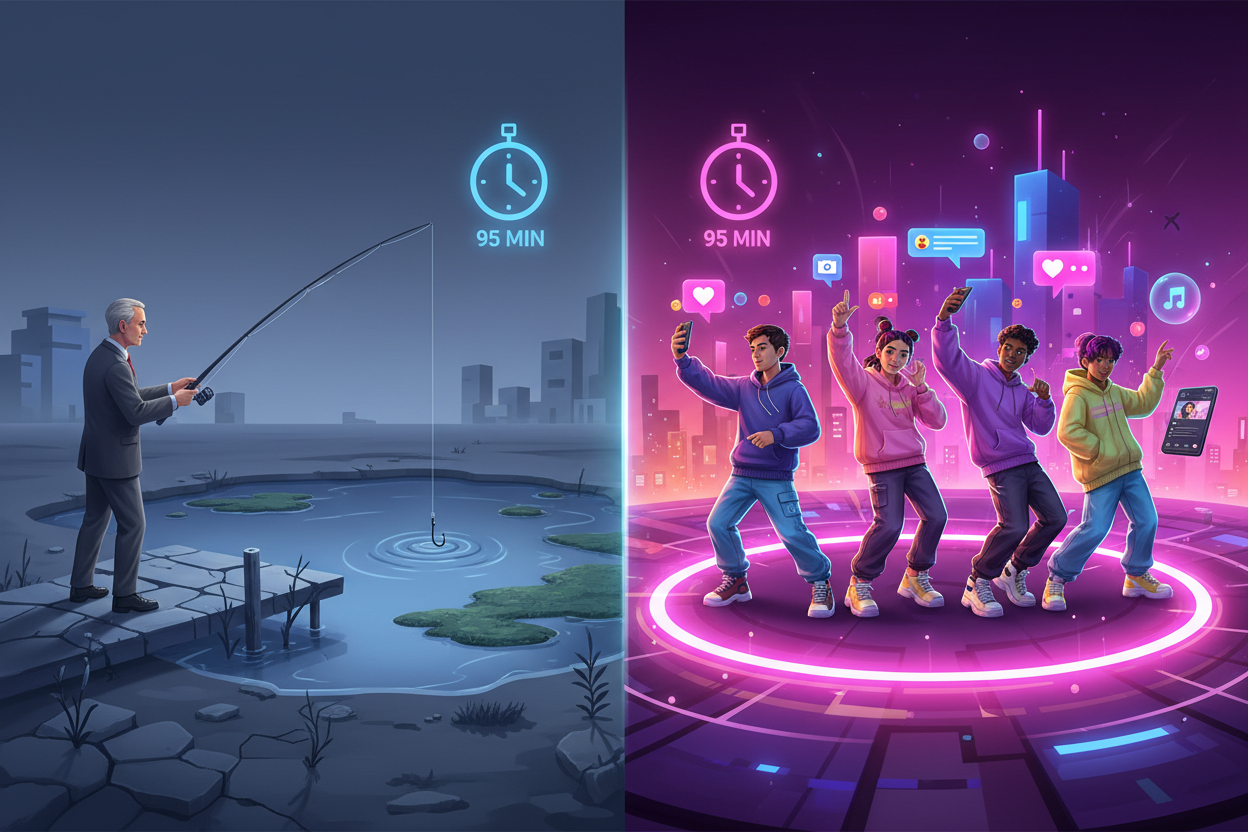
If you’re still running Facebook ads hoping to catch Gen Z’s attention, you’re fishing in the wrong pond 🎣. Born between 1997 and 2012, Generation Z has officially made TikTok their digital playground, and smart marketers are following them there. With over 1 billion monthly active users and an average daily usage time of 95 minutes, TikTok isn’t just a trend—it’s where the future of digital marketing is happening right now.
I’ve been running TikTok ad campaigns for the past three years, and let me tell you, the platform’s ability to drive authentic engagement with younger audiences is unlike anything I’ve seen before. But here’s the thing: TikTok advertising isn’t just Facebook ads with a different interface. It requires a completely different mindset, approach, and understanding of what makes Gen Z tick.
In this comprehensive guide, I’ll walk you through everything you need to know about creating successful TikTok ad campaigns that actually convert Gen Z traffic into loyal customers. From understanding the platform’s unique culture to optimizing your budget for maximum ROI, we’re covering it all.
Understanding Gen Z and Their TikTok Habits 📱
Before diving into ad strategies, let’s get real about who we’re trying to reach. Gen Z isn’t just “young millennials”—they’re a completely different breed of consumers with distinct behaviors, values, and expectations.
Generation Z grew up with smartphones in their hands and social media as their primary form of entertainment. They value authenticity over polish, diversity over conformity, and experiences over possessions. When it comes to TikTok, they’re not passive consumers—they’re active participants in a creative ecosystem.
Here’s what makes Gen Z’s TikTok usage unique: they don’t just watch content, they create it, remix it, and make it their own. They can spot inauthentic marketing from a mile away, and they’ll scroll past anything that feels too “corporate” faster than you can say “brand awareness.” This generation expects brands to understand their language, respect their intelligence, and provide genuine value.
The average Gen Z user spends about 95 minutes daily on TikTok, often in multiple short sessions throughout the day. They’re most active during after-school hours (3-6 PM) and late evenings (8-11 PM), with weekend usage spiking significantly. Understanding these patterns is crucial for timing your ad campaigns effectively.
Why TikTok Ads Are Perfect for Reaching Gen Z 🎯
TikTok’s advertising ecosystem is built around the platform’s core strength: authentic, entertaining content that doesn’t feel like advertising. Unlike traditional social media platforms where ads interrupt the user experience, TikTok ads integrate seamlessly into the For You Page, making them feel like organic content.
The platform’s algorithm is incredibly sophisticated at understanding user preferences and serving relevant content. This means your ads have a higher chance of reaching genuinely interested users rather than just casting a wide net and hoping for the best. I’ve seen conversion rates on TikTok that are 2-3x higher than comparable campaigns on other platforms, primarily because the targeting is so precise.
What really sets TikTok apart is its creative-first approach. The platform rewards engaging, entertaining content over traditional advertising formats. This aligns perfectly with Gen Z’s preference for authentic brand interactions. When done right, your TikTok ads won’t feel like ads at all—they’ll feel like content that users actually want to engage with.
The platform also offers unique features like Spark Ads, which allow you to amplify organic content that’s already performing well. This creates a more authentic advertising experience that Gen Z appreciates and trusts.
Setting Up Your TikTok Ads Manager Account 🛠️
Getting started with TikTok Ads Manager is straightforward, but there are some important considerations for businesses targeting Gen Z. First, you’ll need to create a TikTok for Business account, which is separate from your personal TikTok account.
The setup process involves providing business information, payment details, and agreeing to TikTok’s advertising policies. Here’s a pro tip I learned the hard way: make sure your business information exactly matches your website and other social profiles. TikTok’s verification process can be strict, and inconsistencies can delay approval.
Once your account is approved, you’ll have access to TikTok’s Ads Manager dashboard. The interface is clean and intuitive, similar to Facebook’s ads manager but with TikTok-specific features. You’ll see options for campaign objectives, audience targeting, and creative tools that are specifically designed for the platform’s unique format.
Before launching your first campaign, spend time exploring the Creative Center. This free tool provides insights into trending hashtags, popular music, and top-performing ads in your industry. It’s essentially a cheat sheet for understanding what’s currently resonating with TikTok users.
Types of TikTok Ad Formats That Work Best 📹
TikTok offers several ad formats, but not all of them are equally effective for reaching Gen Z. Based on my experience running campaigns across different industries, here are the formats that consistently deliver the best results:
In-Feed Ads are your bread and butter for Gen Z campaigns. These appear naturally in users’ For You feeds and can be up to 60 seconds long. The key is making them feel organic—think native content rather than traditional advertising. I’ve found that In-Feed ads perform best when they follow TikTok trends and use popular sounds.
Spark Ads are absolute game-changers for authentic engagement. These allow you to boost organic posts (either your own or user-generated content with permission) as ads. Gen Z responds incredibly well to Spark Ads because they maintain the authentic feel of organic content while reaching a broader audience.
Collection Ads work well for e-commerce brands targeting Gen Z shoppers. These showcase multiple products in a single ad, allowing users to browse and shop without leaving the app. The seamless shopping experience aligns with Gen Z’s preference for convenience and instant gratification.
Branded Hashtag Challenges can be incredibly effective but require significant investment and careful execution. When done right, they can generate massive user engagement and brand awareness. However, they work best for brands with substantial budgets and creative resources.
Creating Authentic Content That Resonates 💡
Here’s where most brands get it wrong: they try to repurpose content from other platforms or create overly polished ads that scream “corporate marketing.” Gen Z can spot this inauthenticity immediately, and they’ll scroll past without a second thought.
Successful TikTok content for Gen Z feels native to the platform. This means vertical video format, trending sounds, quick cuts, and authentic storytelling. I always tell my clients to think like content creators first and advertisers second. What would make you stop scrolling and actually watch this video?
User-generated content (UGC) is incredibly powerful for Gen Z campaigns. This generation trusts peer recommendations over brand messaging, so featuring real customers using your products can be more effective than any polished commercial. Consider partnering with micro-influencers or encouraging customers to create content around your brand.
Trending audio is crucial for TikTok success. The platform’s algorithm favors content that uses popular sounds, and Gen Z users often discover new content through trending audio. Stay updated with TikTok’s Creative Center to identify sounds that are gaining momentum in your target demographic.
Don’t be afraid to show personality and humor in your content. Gen Z appreciates brands that don’t take themselves too seriously and can engage in the platform’s playful culture. Some of my most successful campaigns have featured behind-the-scenes content, employee takeovers, or brands participating in popular memes.
Targeting Strategies for Maximum Gen Z Engagement 🎪
TikTok’s targeting capabilities are sophisticated, but reaching Gen Z effectively requires more than just selecting the right age range. The platform offers several targeting options that are particularly effective for this demographic.
Interest-based targeting allows you to reach users based on their engagement with specific content categories. For Gen Z, consider targeting interests like gaming, fashion, music, social causes, and technology. The platform’s AI is excellent at identifying users with genuine interest in these areas.
Behavioral targeting focuses on user actions within the app. You can target users who frequently engage with ads, create content regularly, or spend significant time on the platform. Heavy TikTok users within the Gen Z demographic tend to be more receptive to creative, authentic advertising.
Custom audiences work well for retargeting website visitors or existing customers. However, with Gen Z, it’s important to create fresh creative for retargeting campaigns. This generation has a low tolerance for repetitive advertising and will quickly develop ad fatigue if they see the same content multiple times.
Lookalike audiences can help you find new Gen Z users similar to your best customers. TikTok’s lookalike modeling is particularly effective because it considers engagement patterns and content preferences, not just demographic data.
One targeting strategy that’s worked exceptionally well for me is combining demographic targeting with interest and behavioral filters. For example, targeting 18-24 year-olds who are interested in sustainable fashion and frequently engage with shopping content creates a highly qualified audience segment.
Budget Optimization and Bidding Strategies 💰
TikTok advertising can be cost-effective for reaching Gen Z, but budget optimization requires a different approach than other platforms. The key is understanding TikTok’s auction system and how Gen Z engagement patterns affect costs.
Start with campaign budget optimization (CBO) rather than ad set budgets. TikTok’s algorithm is excellent at distributing budget toward the best-performing ads within your campaign. This is particularly important for Gen Z campaigns because engagement can vary significantly based on trends and timing.
For bidding strategies, I recommend starting with automatic bidding for new campaigns. TikTok’s algorithm needs time to learn your audience’s behavior patterns, and automatic bidding allows for this optimization. Once you have sufficient data (usually after 1000+ impressions), you can switch to manual bidding for more control.
Gen Z users tend to engage more heavily during specific time periods, so dayparting your campaigns can significantly improve efficiency. I’ve found that running ads during after-school hours (3-6 PM) and evening hours (8-11 PM) typically yields better results at lower costs.
Don’t be afraid to start with smaller daily budgets ($20-50) and scale up based on performance. TikTok’s algorithm rewards consistent performance, and gradual scaling often produces better long-term results than aggressive budget increases.
Measuring Success: Key Metrics to Track 📊
Measuring TikTok ad success for Gen Z campaigns requires focusing on engagement metrics alongside traditional conversion metrics. This generation’s path to purchase is often non-linear, involving multiple touchpoints and research phases.
Video View Rate (VVR) is crucial for understanding how engaging your content is. Gen Z users have short attention spans, so a high VVR indicates that your content is compelling enough to hold their interest. Aim for VVRs above 6% for strong performance.
Engagement Rate includes likes, comments, shares, and follows generated by your ads. High engagement rates often correlate with better algorithm performance and lower costs. Gen Z users are more likely to engage with content they find authentic and entertaining.
Click-Through Rate (CTR) measures how effectively your ads drive traffic to your website or landing page. For Gen Z campaigns, CTRs above 1.5% are considered good, though this can vary by industry.
Cost Per Click (CPC) and Cost Per Acquisition (CPA) are essential for understanding campaign profitability. TikTok often delivers lower CPCs than other platforms, but CPAs can vary significantly based on your conversion funnel optimization.
Don’t overlook Brand Lift metrics if you’re focused on awareness campaigns. TikTok offers brand lift studies that measure changes in brand awareness, consideration, and purchase intent among exposed users.
Common Mistakes to Avoid ⚠️
After managing dozens of TikTok campaigns targeting Gen Z, I’ve seen the same mistakes repeated across different brands and industries. Here are the most critical ones to avoid:
Overly promotional content is the fastest way to lose Gen Z’s attention. This generation can immediately identify sales-focused content and will scroll past it. Focus on providing value, entertainment, or education first, with subtle product integration.
Ignoring platform culture is another common mistake. TikTok has its own language, trends, and unwritten rules. Brands that try to impose external marketing strategies without understanding TikTok culture often fail to connect with users.
Using outdated trends can make your brand appear out of touch. TikTok trends move incredibly fast, and what was popular last month might already feel stale. Stay current with trending hashtags, sounds, and formats.
Neglecting mobile optimization seems obvious but is surprisingly common. All TikTok content is consumed on mobile devices, so ensure your landing pages, checkout processes, and overall user experience are mobile-optimized.
Insufficient creative testing limits your campaign potential. Gen Z preferences can vary significantly, so test different creative approaches, messaging angles, and formats to identify what resonates best with your specific audience.
Future Trends in TikTok Advertising 🔮
TikTok advertising is evolving rapidly, and staying ahead of trends is crucial for maintaining Gen Z engagement. Based on platform updates and user behavior patterns, here’s what I’m watching:
Augmented Reality (AR) integration is becoming more sophisticated, with brands creating custom filters and effects that users can incorporate into their own content. This creates deeper engagement and brand interaction opportunities.
Live shopping features are expanding, allowing brands to sell products directly during live streams. Gen Z’s comfort with social commerce makes this a promising avenue for future campaigns.
AI-powered creative tools are making it easier for brands to create platform-native content at scale. TikTok is investing heavily in tools that help advertisers create more authentic, engaging content.
Cross-platform integration is improving, with better attribution and tracking across TikTok and other marketing channels. This will help brands better understand Gen Z’s multi-platform journey to purchase.
Sustainability and social impact messaging will become increasingly important as Gen Z prioritizes brands that align with their values. Expect to see more ad formats and targeting options focused on social responsibility.
Conclusion
Successfully advertising to Gen Z on TikTok isn’t about adapting your existing marketing playbook—it’s about learning an entirely new language of authentic, creative communication. This generation rewards brands that understand their values, speak their language, and provide genuine value through entertaining, informative content.
The key takeaways for TikTok advertising success with Gen Z are authenticity, creativity, and cultural awareness. Focus on creating content that feels native to the platform, leverage trending audio and hashtags, and always prioritize entertainment value over direct promotion. Remember that Gen Z users are sophisticated consumers who can quickly identify and reject inauthentic marketing attempts.
Start small, test frequently, and be prepared to adapt quickly. TikTok’s fast-moving culture means that successful campaigns require agility and willingness to evolve with platform trends. The brands that succeed on TikTok are those that embrace the platform’s creative, authentic culture while maintaining their unique brand voice.
The investment in learning TikTok advertising is worth it. With Gen Z representing the future of consumer spending and their deep engagement with the platform, mastering TikTok ads now positions your brand for long-term success with this crucial demographic. The question isn’t whether you should be advertising on TikTok—it’s whether you can afford not to be.
Frequently Asked Questions 🤔
Q: How much should I budget for TikTok ads targeting Gen Z?
A: Start with a minimum daily budget of $20-50 per ad group. TikTok requires at least $20 daily at the campaign level, but I recommend $50+ for better algorithm optimization. Scale up based on performance, typically increasing budgets by 20-30% every few days when results are positive.
Q: What’s the ideal video length for TikTok ads targeting Gen Z?
A: While TikTok allows videos up to 60 seconds, the sweet spot for Gen Z engagement is 15-30 seconds. This generation has short attention spans, so hook them within the first 3 seconds and deliver your message quickly. Longer videos work for storytelling content, but shorter videos typically perform better for conversion-focused campaigns.
Q: Should I use influencers or create brand content for Gen Z TikTok ads?
A: Both strategies work, but user-generated content and micro-influencer partnerships often perform better with Gen Z than traditional brand content. Consider a hybrid approach: partner with creators for authentic content, then use Spark Ads to amplify their posts. This maintains authenticity while extending reach.
Q: How often should I refresh my TikTok ad creative for Gen Z audiences?
A: Gen Z has low tolerance for repetitive content, so refresh creative weekly or bi-weekly. Monitor frequency metrics closely—when frequency exceeds 2-3 impressions per user, it’s time for new creative. Keep multiple creative variations in rotation to prevent ad fatigue.
Q: What targeting options work best for reaching Gen Z on TikTok?
A: Combine demographic targeting (ages 16-24) with interest-based targeting around relevant topics like gaming, music, fashion, or social causes. Behavioral targeting for high-engagement users also works well. Avoid overly narrow targeting—TikTok’s algorithm performs better with some audience flexibility.
Q: How do I make my TikTok ads feel authentic to Gen Z users?
A: Use trending sounds, vertical video format, quick cuts, and casual presentation styles. Avoid overly polished production—Gen Z prefers authentic, relatable content. Show real people using your products, participate in trends, and don’t be afraid to show personality and humor. Think like a content creator, not an advertiser.


