

The Role of Personalization in Modern Ad Campaigns: Why Generic Advertising Is Dead 🎯
Table of Contents
1. Introduction: The Death of One-Size-Fits-All Advertising
2. Understanding Personalization in Digital Advertising
3. The Psychology Behind Personalized Marketing
4. Key Benefits of Personalized Ad Campaigns
5. Types of Personalization Strategies That Actually Work
6. Real-World Success Stories: Brands Getting It Right
7. Common Personalization Mistakes to Avoid
8. The Future of Personalized Advertising
9. Conclusion
10. Frequently Asked Questions
Introduction: The Death of One-Size-Fits-All Advertising 📱
Remember when advertising meant blasting the same message to everyone and hoping something would stick? Those days are long gone, my friend. Today’s consumers are bombarded with over 5,000 advertising messages daily, and they’ve become incredibly skilled at tuning out anything that doesn’t speak directly to them.
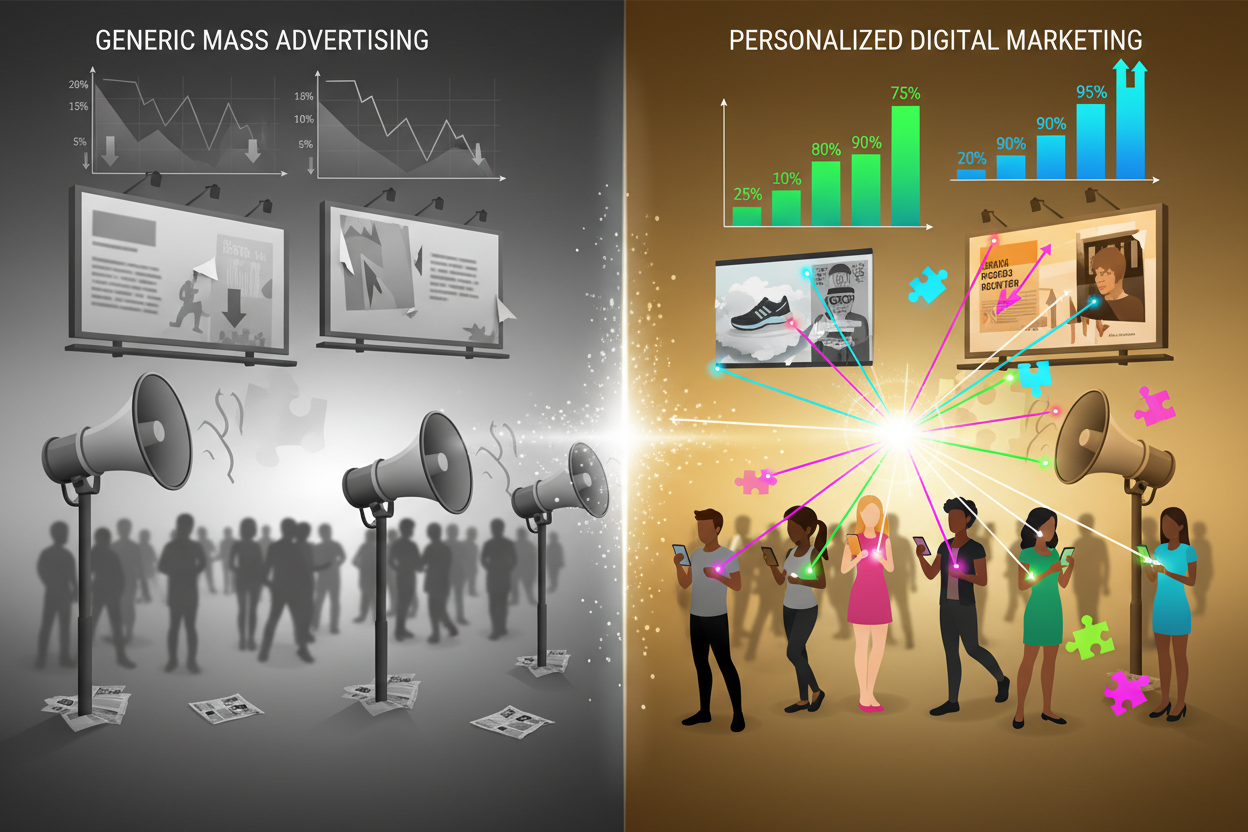
I’ve been watching the advertising landscape evolve for years, and nothing has been more transformative than the shift toward personalization. It’s not just a trendy buzzword anymore – it’s become the cornerstone of successful marketing campaigns. Companies that embrace personalized advertising are seeing conversion rates increase by up to 202%, while those stuck in the generic advertising stone age are watching their ROI plummet.
In this comprehensive guide, we’ll dive deep into how personalization is revolutionizing modern ad campaigns, why it works so effectively, and how you can leverage these strategies to create campaigns that actually connect with your audience on a meaningful level.
Understanding Personalization in Digital Advertising 🔍
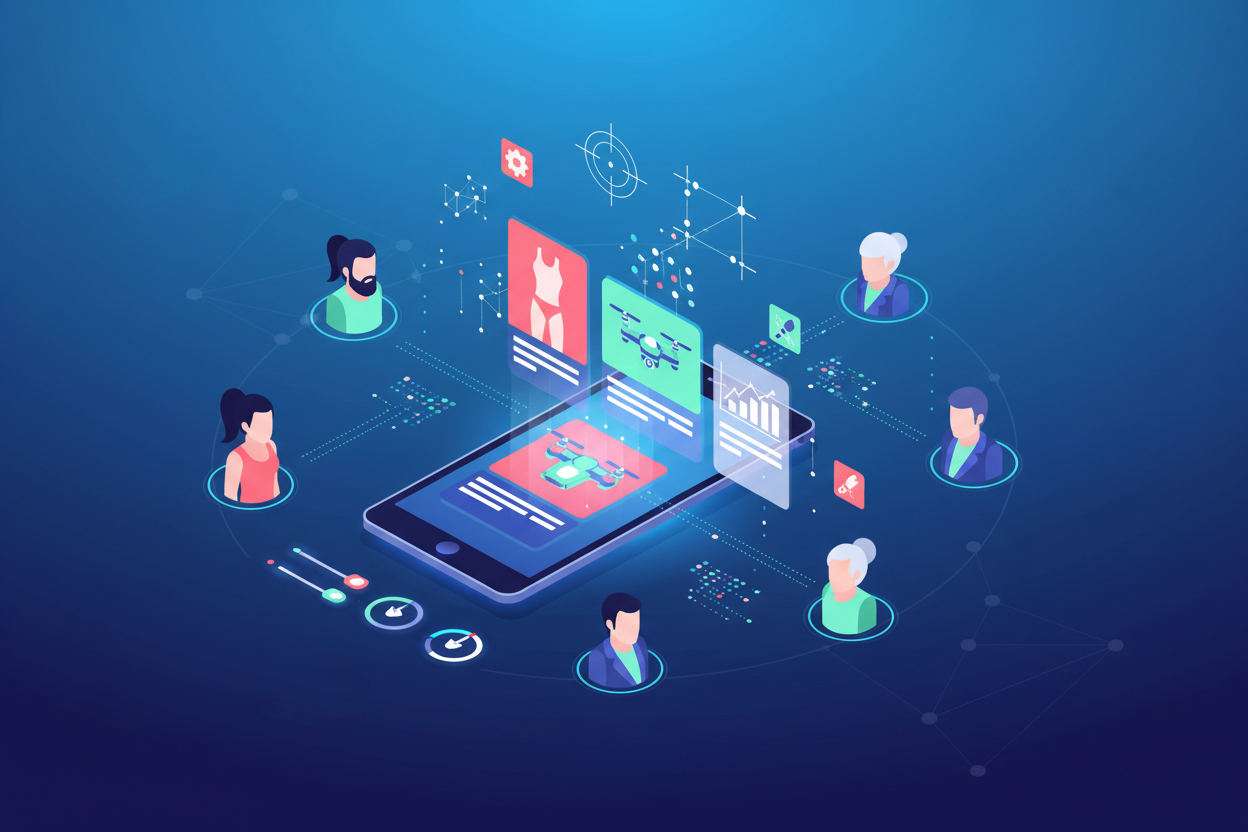
Personalization in advertising goes far beyond simply inserting someone’s first name into an email subject line (though that’s still a nice touch!). Modern personalized advertising leverages sophisticated data analytics, machine learning algorithms, and behavioral insights to deliver highly targeted messages that feel like they were crafted specifically for each individual consumer.
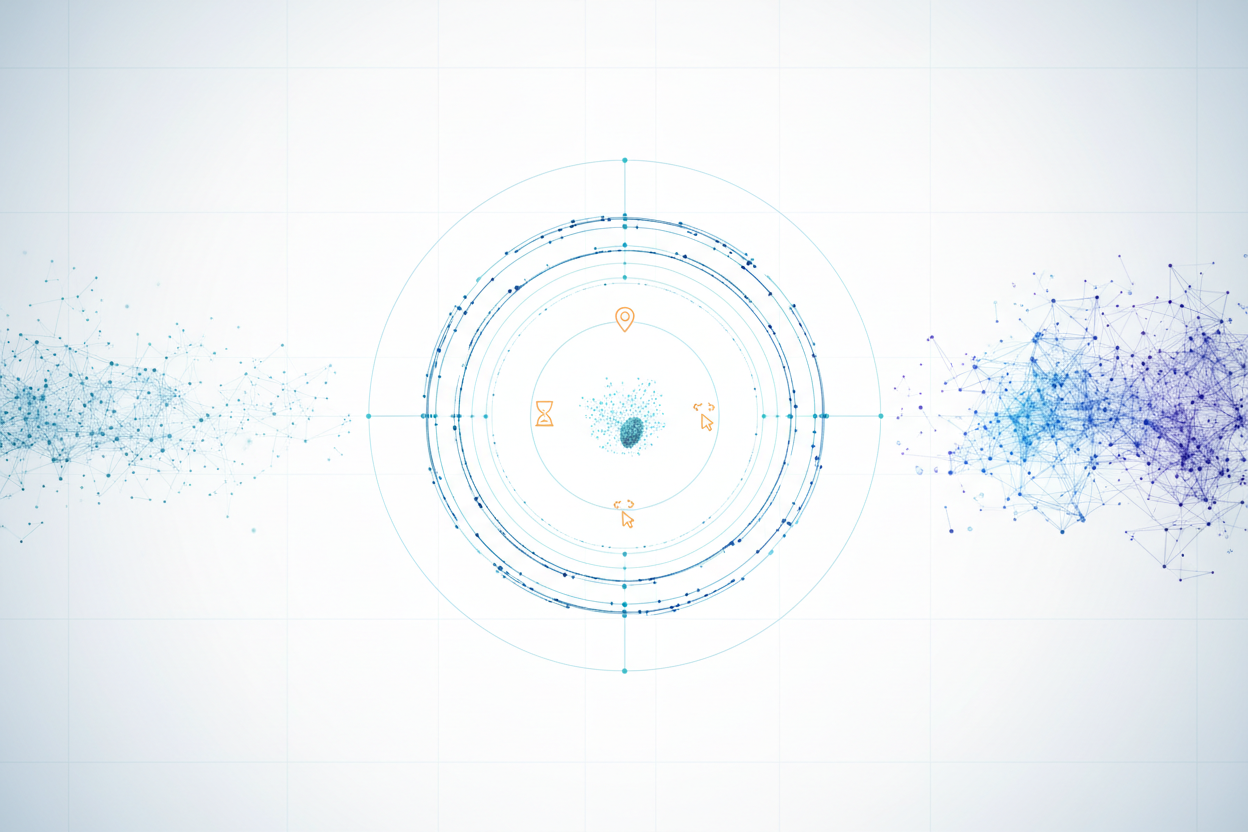
At its core, personalized advertising uses data points such as browsing history, purchase behavior, demographic information, geographic location, and even the time of day to create tailored experiences. This approach transforms advertising from an interruption into a helpful suggestion – like having a knowledgeable friend recommend exactly what you need, when you need it.
The technology behind personalization has become incredibly sophisticated. We’re talking about real-time bidding systems that can analyze thousands of data points in milliseconds to determine the perfect ad to show each person. It’s like having a crystal ball that reveals exactly what your customers want to see.
The Psychology Behind Personalized Marketing 🧠
Why does personalization work so well? It all comes down to basic human psychology. We’re naturally drawn to things that feel relevant to our lives and experiences. When an ad speaks directly to our specific needs, interests, or circumstances, our brains light up with recognition and interest.
There’s something called the “cocktail party effect” in psychology – our ability to focus on a particular stimulus while filtering out others. In a crowded, noisy room, you can still hear your name being called from across the space. Personalized advertising works the same way, cutting through the digital noise to grab attention.
Personalization also taps into our desire for efficiency and convenience. Nobody wants to waste time sifting through irrelevant products or services. When an ad shows us exactly what we’re looking for (or didn’t even know we needed), it feels like a time-saver rather than an annoyance.
Moreover, personalized ads create a sense of being understood and valued as an individual customer. This emotional connection builds trust and loyalty – crucial factors in today’s competitive marketplace where consumers have endless options at their fingertips.
Key Benefits of Personalized Ad Campaigns ✨
The advantages of implementing personalization in your advertising strategy extend far beyond just improved click-through rates. Let me break down the most significant benefits I’ve observed across various industries and campaign types.
Enhanced Customer Experience: Personalized ads create smoother, more enjoyable customer journeys. Instead of showing random products, you’re presenting relevant solutions that align with their interests and needs. This approach reduces friction in the buying process and makes customers feel valued.
Improved ROI and Conversion Rates: When your ads are laser-focused on the right audience with the right message, you naturally see better performance metrics. Personalized campaigns typically achieve 5-8 times higher ROI compared to generic advertising approaches. The reason is simple: you’re not wasting budget on people who have zero interest in what you’re offering.
Better Customer Retention: Personalization doesn’t stop at acquisition – it’s equally powerful for retention. By continuously adapting your messaging based on customer behavior and preferences, you keep existing customers engaged and reduce churn rates significantly.
Increased Brand Loyalty: When customers feel like a brand “gets them,” they develop stronger emotional connections. This translates into repeat purchases, positive word-of-mouth marketing, and higher lifetime customer value.
Types of Personalization Strategies That Actually Work 🛠️
Not all personalization strategies are created equal. Through years of testing and optimization, certain approaches have proven consistently effective across different industries and audience segments.
Behavioral Targeting: This involves tracking user actions on your website or app to understand their interests and intent. If someone spends time looking at running shoes, your retargeting ads should focus on athletic footwear rather than formal dress shoes. It sounds obvious, but you’d be surprised how many brands still get this wrong.
Geographic Personalization: Location-based advertising has become incredibly sophisticated. You can now target people based on their current location, places they’ve visited, or even their home and work addresses. A coffee shop can target commuters passing by during morning rush hour – that’s the kind of precision that drives real results.
Demographic and Psychographic Segmentation: Age, gender, income level, lifestyle preferences, and values all play crucial roles in crafting personalized messages. A luxury brand targeting high-income professionals will use completely different messaging than a budget-friendly option targeting college students.
Dynamic Content Optimization: This involves automatically adjusting ad creative elements like images, headlines, and calls-to-action based on who’s viewing the ad. The same product can be presented as a “professional solution” to business users and a “fun lifestyle choice” to casual consumers.
Real-World Success Stories: Brands Getting It Right 🏆
Let me share some inspiring examples of brands that have mastered the art of personalized advertising, because real-world results speak louder than theory.
Netflix’s Recommendation Engine: Netflix doesn’t just personalize content recommendations – they personalize the artwork you see for each show or movie. The same title might display different images to different users based on their viewing history and preferences. This simple personalization trick has contributed significantly to their impressive engagement rates.
Amazon’s Product Suggestions: Amazon’s “customers who bought this also bought” and “recommended for you” sections are masterclasses in personalized advertising. They’ve turned their entire platform into a personalized shopping experience that feels natural and helpful rather than pushy.
Spotify’s Discover Weekly: This personalized playlist feature has become one of Spotify’s most beloved offerings. By analyzing listening habits, they create unique playlists for each user every week. It’s advertising disguised as a valuable service – the holy grail of modern marketing.
These success stories share common elements: they use data intelligently, focus on adding value rather than just pushing sales, and continuously refine their personalization algorithms based on user feedback and behavior.
Common Personalization Mistakes to Avoid ⚠️
While personalization offers tremendous opportunities, it’s also easy to get wrong. I’ve seen countless campaigns fail because brands made these critical mistakes.
Over-Personalization Creepiness: There’s a fine line between helpful and creepy. Showing someone an ad for the exact product they looked at five minutes ago might feel too invasive. The key is finding the sweet spot where personalization feels natural and helpful rather than stalker-ish.
Ignoring Privacy Concerns: With increasing privacy regulations and consumer awareness, transparency about data usage is crucial. Always be clear about what data you’re collecting and how you’re using it. Trust is the foundation of effective personalization.
Poor Data Quality: Personalization is only as good as the data behind it. If you’re working with outdated, incomplete, or inaccurate information, your “personalized” ads might actually be less relevant than generic ones. Invest in data hygiene and validation processes.
Lack of Testing and Optimization: Personalization isn’t a “set it and forget it” strategy. Consumer preferences change, new data becomes available, and market conditions evolve. Continuous testing and refinement are essential for long-term success.
The Future of Personalized Advertising 🚀
The personalization landscape is evolving rapidly, driven by advances in artificial intelligence, machine learning, and data analytics. Here’s what I see coming down the pipeline that will reshape how we approach personalized advertising.
AI-Powered Predictive Personalization: Instead of just reacting to past behavior, future systems will predict what customers want before they even know it themselves. Imagine ads that anticipate your needs based on subtle patterns in your digital behavior – that’s where we’re heading.
Cross-Platform Identity Resolution: As consumers use multiple devices and platforms, the ability to create unified customer profiles across all touchpoints will become increasingly important. This holistic view will enable even more sophisticated personalization strategies.
Privacy-First Personalization: With growing privacy concerns and regulations, the future belongs to personalization methods that respect user privacy while still delivering relevant experiences. Techniques like federated learning and differential privacy are paving the way for this balance.
Voice and Visual Search Integration: As voice assistants and visual search technologies become more prevalent, personalization will extend into these new interaction modes, creating even more seamless and intuitive advertising experiences.
Conclusion 🎉
Personalization has fundamentally transformed the advertising landscape, turning what was once a numbers game into a precision art form. The brands that embrace this shift and invest in understanding their customers on an individual level are the ones thriving in today’s competitive marketplace.
The key to successful personalized advertising lies in striking the right balance between relevance and respect, using data intelligently while maintaining customer trust, and continuously evolving your approach based on performance insights and changing consumer expectations.
As we look toward the future, personalization will only become more sophisticated and integral to advertising success. The question isn’t whether you should implement personalization in your ad campaigns – it’s how quickly you can get started and how effectively you can execute it.
Remember, at its heart, personalization is about treating your customers as individuals rather than statistics. When you get that right, everything else – higher conversion rates, better ROI, increased loyalty – naturally follows.
Frequently Asked Questions 🤔
Q: How much data do I need to start personalizing my ad campaigns?
A: You can start with basic demographic and behavioral data. Even simple segmentation based on age, location, or website behavior can significantly improve campaign performance. The key is to start small and gradually expand your data collection and personalization efforts as you learn what works.
Q: Is personalized advertising more expensive than traditional advertising?
A: While the initial setup and technology costs might be higher, personalized advertising typically delivers much better ROI. You’re spending your budget more efficiently by targeting the right people with the right message, which usually results in lower cost-per-acquisition and higher conversion rates.
Q: How do I avoid being creepy with personalization?
A: Focus on being helpful rather than intrusive. Use personalization to solve problems or provide value, not just to prove you’re watching. Always be transparent about data collection, give users control over their privacy settings, and avoid referencing overly specific or sensitive information in your ads.
Q: What’s the biggest mistake companies make with personalized advertising?
A: The biggest mistake is assuming that more data automatically equals better personalization. It’s not about collecting every possible data point – it’s about using the right data to create genuinely relevant and valuable experiences for your customers.
Q: How do I measure the success of personalized ad campaigns?
A: Look beyond basic metrics like click-through rates. Focus on conversion rates, customer lifetime value, engagement quality, and retention rates. The best personalized campaigns create long-term customer relationships, not just immediate clicks.


