


The Ultimate Guide to Promoting Your Business Without Breaking the Bank 💰
Table of Contents
1. Introduction: Why Budget-Friendly Marketing Matters
2. Social Media Marketing: Your Free Advertising Goldmine
3. Content Marketing: Building Authority on a Shoestring Budget
4. Email Marketing: The High-ROI Champion
5. Local SEO and Google My Business: Dominating Your Neighborhood
6. Networking and Partnerships: Growing Through Relationships
7. Customer Referrals: Turning Clients into Brand Ambassadors
8. Creative Guerrilla Marketing Tactics
9. Measuring Success Without Expensive Tools
10. Common Mistakes to Avoid
11. Frequently Asked Questions
12. Conclusion
Introduction: Why Budget-Friendly Marketing Matters 🚀
Let’s be honest – when you’re running a small business or startup, every dollar counts. I’ve been there, staring at a marketing budget that looked more like loose change than a serious investment. The good news? Some of the most effective marketing strategies cost nothing more than your time and creativity.
In today’s digital landscape, expensive advertising campaigns aren’t the only path to success. Smart entrepreneurs are discovering that authentic, budget-conscious marketing often outperforms flashy, expensive alternatives. This guide will walk you through proven strategies that deliver real results without requiring a corporate-sized budget.
Whether you’re bootstrapping a startup or looking to maximize your marketing ROI, these tactics will help you build brand awareness, attract customers, and grow your business sustainably. Ready to discover how to promote your business like a pro without breaking the bank? Let’s dive in! 🎯
Social Media Marketing: Your Free Advertising Goldmine 📱
Social media platforms offer unprecedented access to your target audience at zero cost. The key is choosing the right platforms and creating content that resonates with your audience.
Start by identifying where your customers spend their time online. B2B companies often find success on LinkedIn, while visual brands thrive on Instagram and Pinterest. Facebook remains a versatile option for most businesses, offering robust targeting options even with organic content.
Consistency beats perfection every time. I’ve seen businesses grow massive followings by posting regularly, even when their content wasn’t magazine-quality. Share behind-the-scenes glimpses, customer success stories, and valuable tips related to your industry. Engage genuinely with your audience – respond to comments, ask questions, and participate in relevant conversations.
Pro tip: Use scheduling tools like Buffer or Hootsuite’s free plans to maintain consistent posting without being glued to your phone all day. This approach helps you stay active on social media while focusing on running your business.
Content Marketing: Building Authority on a Shoestring Budget ✍️
Content marketing remains one of the most cost-effective ways to attract and retain customers. By creating valuable, relevant content, you position yourself as an industry expert while improving your search engine rankings.
Start a blog on your website and commit to publishing regularly. Even one quality post per week can make a significant difference over time. Focus on solving your customers’ problems rather than directly promoting your products. This approach builds trust and keeps readers coming back for more.
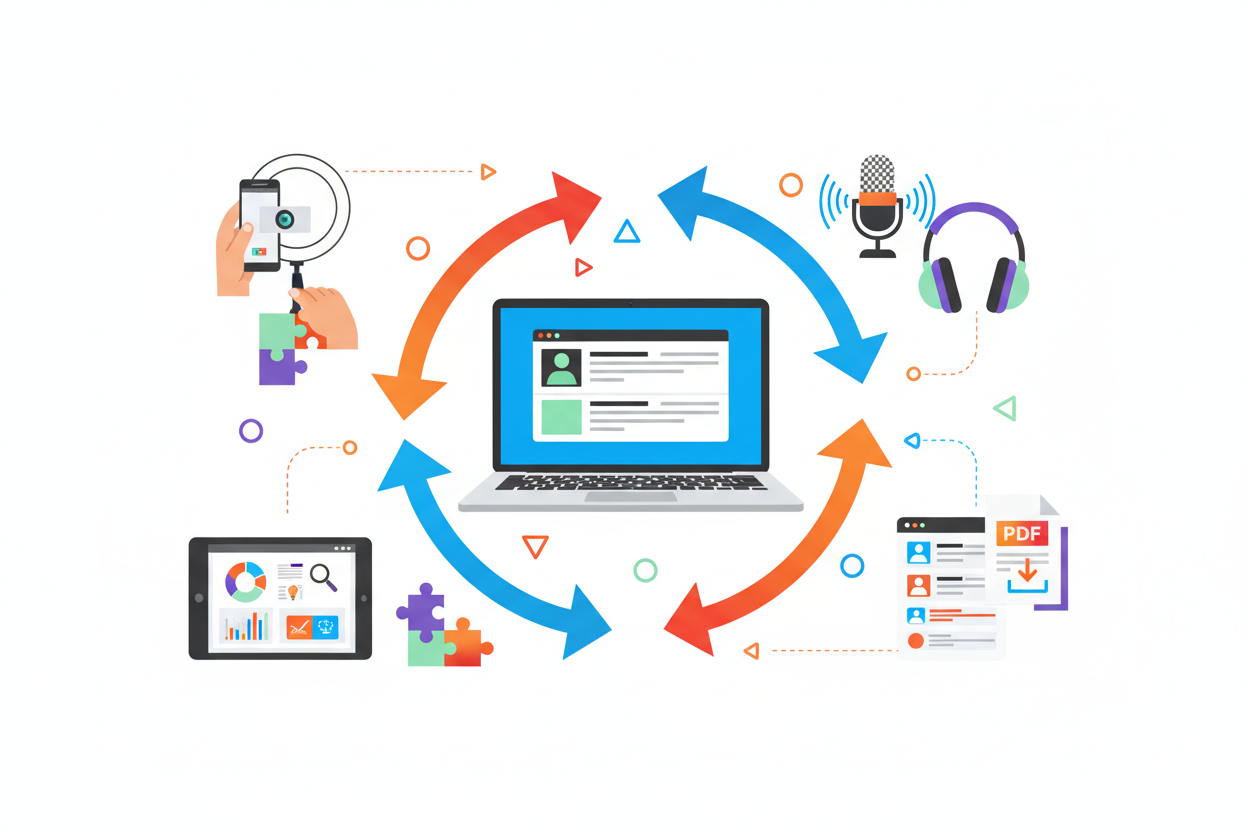
Don’t limit yourself to written content. Create videos using your smartphone, record podcasts with free software like Audacity, or design infographics using Canva’s free templates. Repurpose your content across multiple formats – turn a blog post into a video script, create social media posts from key points, or compile related articles into a downloadable guide.
Guest posting on other websites in your industry can exponentially increase your reach without any monetary investment. Reach out to complementary businesses or industry publications with well-researched article ideas. This strategy builds backlinks to your website while exposing your brand to new audiences.
Email Marketing: The High-ROI Champion 📧
Email marketing consistently delivers the highest return on investment among digital marketing channels. With platforms like Mailchimp offering free plans for small lists, there’s no excuse not to start building your email audience today.
Create valuable lead magnets to encourage email signups. These could be free guides, checklists, templates, or exclusive discounts. Make sure your lead magnet directly relates to your business and provides genuine value to your target audience.
Segment your email list based on customer behavior, preferences, or demographics. This allows you to send more targeted, relevant messages that drive better engagement and conversions. A small, engaged email list often outperforms a large, uninterested one.
Automate your email sequences to nurture leads without constant manual effort. Welcome series, abandoned cart reminders, and post-purchase follow-ups can all be set up once and run automatically, saving you time while improving customer relationships.
Local SEO and Google My Business: Dominating Your Neighborhood 🗺️
If you serve local customers, optimizing for local search should be your top priority. Google My Business is completely free and can dramatically increase your visibility in local search results.
Claim and optimize your Google My Business listing with accurate information, high-quality photos, and regular updates. Encourage satisfied customers to leave reviews, as these significantly impact your local search rankings and influence potential customers’ decisions.
Ensure your business name, address, and phone number are consistent across all online directories and your website. This consistency helps search engines understand and trust your business information.
Create location-specific content on your website and social media. Write about local events, partner with other local businesses, and use location-based keywords naturally in your content. This approach helps you rank for searches like “best [your service] in [your city].”
Networking and Partnerships: Growing Through Relationships 🤝
Building genuine relationships with other business owners, potential customers, and industry professionals can open doors that money can’t buy. Attend local business events, join industry associations, and participate in online communities related to your field.
Look for partnership opportunities with complementary businesses. A web designer might partner with a copywriter, or a fitness trainer could collaborate with a nutritionist. These partnerships allow you to tap into each other’s customer bases and provide more comprehensive solutions to your clients.
Don’t underestimate the power of simply being helpful. Answer questions in industry forums, offer free advice on social media, and connect people who could benefit from knowing each other. This approach builds your reputation and often leads to unexpected business opportunities.
Consider joining or starting a local business networking group. Regular face-to-face interactions often lead to stronger business relationships than purely online connections.
Customer Referrals: Turning Clients into Brand Ambassadors 🌟
Your existing customers are your best marketers. They’ve experienced your product or service firsthand and can provide authentic testimonials that resonate with potential customers.
Implement a formal referral program that rewards customers for bringing in new business. This doesn’t have to be expensive – offer discounts, free services, or small gifts as incentives. Make sure the referral process is simple and clearly communicated to your customers.
Ask for testimonials and reviews proactively. Many satisfied customers are happy to help but simply don’t think to leave reviews on their own. Follow up after successful projects or purchases with a simple request for feedback.
Showcase customer success stories through case studies, social media posts, and website testimonials. Real stories from real customers are more persuasive than any marketing copy you could write.
Creative Guerrilla Marketing Tactics 🎨
Sometimes the most memorable marketing campaigns come from thinking outside the box. Guerrilla marketing relies on creativity and surprise rather than big budgets to capture attention.
Consider organizing or sponsoring local events, creating eye-catching street art (where legal), or staging attention-grabbing publicity stunts related to your business. The key is ensuring your creative tactics align with your brand values and target audience.
Seasonal marketing can be highly effective and cost-efficient. Tie your promotions to holidays, local events, or seasonal trends. This approach feels natural and timely, making your marketing messages more relevant and engaging.
User-generated content campaigns encourage your customers to create content featuring your products or services. This strategy provides you with free marketing materials while making your customers feel valued and involved with your brand.
Measuring Success Without Expensive Tools 📊
You don’t need expensive analytics software to track your marketing performance. Google Analytics is free and provides comprehensive insights into your website traffic and user behavior. Set up goals to track conversions and monitor which marketing channels drive the most valuable traffic.
Use UTM parameters to track the effectiveness of different campaigns and content pieces. This simple technique helps you understand which efforts are worth repeating and which need improvement.
Track key performance indicators (KPIs) that directly relate to your business goals. These might include website traffic, email subscribers, social media engagement, or conversion rates. Focus on metrics that actually impact your bottom line rather than vanity metrics that look good but don’t drive business results.
Regular review and adjustment of your marketing strategies based on data ensures you’re always improving and maximizing your limited resources.
Common Mistakes to Avoid ⚠️
One of the biggest mistakes small businesses make is trying to be everywhere at once. It’s better to excel on one or two platforms than to spread yourself too thin across multiple channels. Focus your efforts where your audience is most active and engaged.
Don’t neglect the importance of consistency. Sporadic posting or inconsistent messaging confuses your audience and weakens your brand. Create a content calendar and stick to it, even if you can only manage one post per week.
Avoid being overly promotional in your content. The 80/20 rule works well – 80% of your content should provide value, entertain, or educate, while only 20% should directly promote your products or services.
Finally, don’t ignore the power of patience. Building a strong brand and loyal customer base takes time. Many businesses give up on marketing strategies too quickly, just before they start seeing results. Stay consistent and give your efforts time to compound.
Frequently Asked Questions 🤔
Q: How much should I budget for marketing if I’m just starting out?
A: While traditional advice suggests 5-10% of revenue, startups often need to invest more time than money. Focus on free and low-cost strategies initially, then reinvest profits into paid marketing as your business grows.
Q: Which social media platform should I prioritize?
A: Choose based on where your target audience spends time. LinkedIn for B2B, Instagram for visual brands, Facebook for broad reach, and TikTok for younger demographics. Start with one platform and master it before expanding.
Q: How often should I post on social media?
A: Consistency matters more than frequency. Whether it’s daily, three times a week, or weekly, stick to a schedule your audience can rely on. Quality content posted consistently outperforms frequent, low-quality posts.
Q: Can I really compete with bigger companies using these strategies?
A: Absolutely! Small businesses often have advantages like personal relationships, local connections, and the ability to respond quickly to customer needs. Use these strengths to your advantage in your marketing efforts.
Q: How long before I see results from these marketing efforts?
A: Results vary by strategy and industry, but generally expect to see initial engagement within weeks and meaningful business impact within 3-6 months of consistent effort. SEO and content marketing typically take longer but provide lasting results.
Conclusion: Your Budget-Friendly Marketing Journey Starts Now 🎯
Promoting your business effectively doesn’t require a massive budget – it requires strategy, creativity, and consistency. The tactics outlined in this guide have helped countless small businesses build strong brands, attract loyal customers, and achieve sustainable growth without breaking the bank.
Remember, the most expensive marketing mistake you can make is doing nothing at all. Start with one or two strategies that align with your strengths and audience, then gradually expand your efforts as you gain experience and see results.
Your unique story, personal touch, and genuine desire to serve your customers are your greatest marketing assets. No amount of money can buy the authenticity and passion that small business owners bring to their marketing efforts. Embrace these advantages, stay consistent with your efforts, and watch your business grow one satisfied customer at a time.
The journey of budget-friendly marketing is ongoing, but every step forward brings you closer to your business goals. Start today, stay committed to providing value, and remember that the best marketing investment you can make is in building genuine relationships with your customers. Your future self – and your bank account – will thank you! 🚀


