

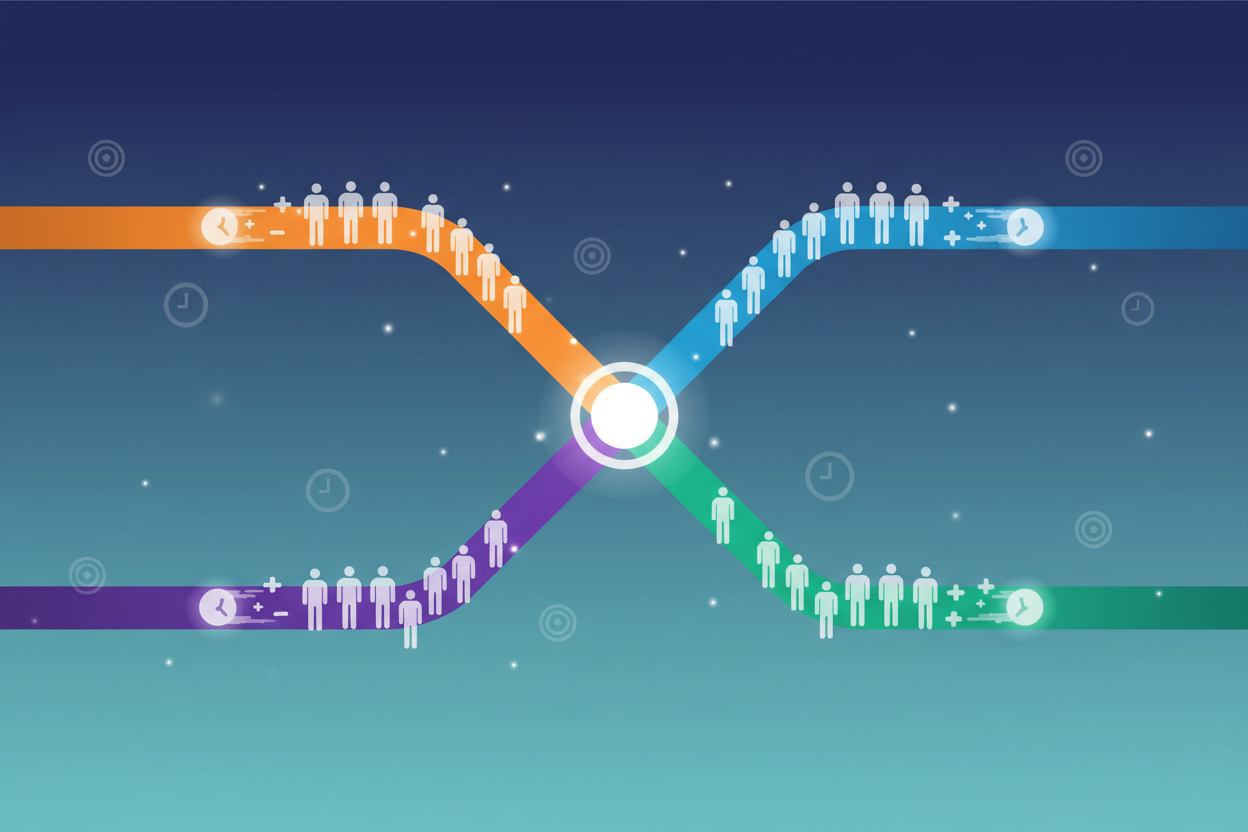
Traffic Segmentation: Targeting the Right People at the Right Time 🎯
Table of Contents
1. Introduction to Traffic Segmentation
2. Understanding Your Audience: The Foundation of Smart Segmentation
3. Key Traffic Segmentation Strategies That Actually Work
4. Behavioral Segmentation: Reading Between the Lines
5. Geographic and Demographic Targeting Made Simple
6. Timing Your Content for Maximum Impact
7. Tools and Technologies for Effective Traffic Segmentation
8. Measuring Success: KPIs That Matter
9. Common Mistakes to Avoid in Traffic Segmentation
10. Conclusion
11. Frequently Asked Questions
Introduction to Traffic Segmentation
Picture this: you’re throwing a dinner party, and instead of serving the same meal to everyone, you customize each dish based on your guests’ preferences. Your vegetarian friend gets a beautiful quinoa salad, while your meat-loving cousin enjoys a perfectly grilled steak. That’s essentially what traffic segmentation does for your digital marketing efforts – it serves the right content to the right people at precisely the right moment. 🍽️
In today’s hyper-competitive digital landscape, the spray-and-pray approach to marketing is about as effective as using a water gun to fight a forest fire. Smart marketers understand that traffic segmentation isn’t just a nice-to-have strategy – it’s an absolute necessity for survival and growth.
Traffic segmentation is the practice of dividing your website visitors and potential customers into distinct groups based on shared characteristics, behaviors, or preferences. By understanding these segments, you can create targeted campaigns that speak directly to each group’s unique needs and motivations.

Understanding Your Audience: The Foundation of Smart Segmentation
Before diving into the technical aspects of traffic segmentation, let’s talk about something fundamental: truly knowing your audience. I’ve seen countless businesses jump straight into creating segments without taking the time to understand who they’re actually trying to reach. It’s like trying to hit a bullseye while blindfolded – you might get lucky occasionally, but it’s hardly a sustainable strategy.
Your audience isn’t just a collection of demographic data points. They’re real people with genuine problems, aspirations, and pain points. Sarah, the busy working mom, visits your website with different intentions than Jake, the college student looking for budget-friendly options. Understanding these nuances is what separates effective segmentation from random groupings.
Start by gathering data from multiple touchpoints: website analytics, social media interactions, customer surveys, and direct feedback. Look for patterns in how different groups interact with your content, what pages they visit, how long they stay, and what ultimately drives them to convert or leave.
Key Traffic Segmentation Strategies That Actually Work
Let me share some battle-tested segmentation strategies that have consistently delivered results across various industries. These aren’t theoretical concepts – they’re practical approaches that real businesses use to drive real growth.
Source-Based Segmentation is often the most logical starting point. Visitors coming from Google searches have different intent levels compared to those arriving from social media or email campaigns. Someone who googled “best running shoes for beginners” is likely further along in their buying journey than someone who casually clicked on your Facebook ad about fitness tips.
Device-Based Segmentation has become increasingly important as mobile traffic continues to dominate. Mobile users often exhibit different behaviors – they might be browsing during commutes, looking for quick answers, or making impulse purchases. Desktop users, on the other hand, might be conducting more thorough research or making considered business decisions.
Content Engagement Segmentation focuses on how visitors interact with your content. Those who read your blog posts thoroughly, download resources, or watch videos demonstrate higher engagement levels and might be ready for more detailed product information or sales conversations.
Behavioral Segmentation: Reading Between the Lines 🔍
Behavioral segmentation is where things get really interesting. It’s like being a digital detective, piecing together clues about what your visitors really want based on their actions rather than just their stated preferences.
Consider the visitor who repeatedly checks your pricing page but never converts. They might be price-sensitive, comparing options, or waiting for a promotion. Understanding this behavior allows you to create targeted campaigns addressing their specific concerns – perhaps featuring customer testimonials about value or limited-time offers.
Then there’s the segment of visitors who abandon their shopping carts. Instead of treating all cart abandoners the same, dig deeper. Some might have left due to unexpected shipping costs, others due to a complicated checkout process, and still others because they were simply browsing and not ready to buy. Each group requires a different re-engagement strategy.
Page visit patterns tell fascinating stories too. Visitors who spend time on your “About Us” page and team bios might be evaluating trustworthiness and credibility. Those diving deep into technical specifications are likely serious buyers doing their homework.
Geographic and Demographic Targeting Made Simple
Geographic segmentation goes far beyond just dividing visitors by country or state. Local weather patterns, cultural events, time zones, and regional preferences all play crucial roles in how people interact with your content and make purchasing decisions.
I once worked with an e-commerce client selling outdoor gear. We discovered that visitors from rainy regions showed higher interest in waterproof products during their wet seasons, while those from sunny climates focused more on UV protection and cooling technologies. This insight led to location-based homepage customization that increased conversions by 23%. ☀️🌧️
Demographic segmentation requires a delicate balance. While age, gender, and income levels can provide valuable insights, avoid making assumptions that could lead to stereotyping. A 65-year-old might be more tech-savvy than a 25-year-old, and gender doesn’t always predict product preferences in the way traditional marketing wisdom suggests.
Timing Your Content for Maximum Impact ⏰
Timing in traffic segmentation isn’t just about when you send emails or post on social media – though those are important too. It’s about understanding the temporal context of your visitors’ needs and matching your content accordingly.
B2B visitors often browse during business hours and might be looking for solutions to immediate workplace challenges. B2C visitors might browse during evenings and weekends, in a more relaxed mindset, perhaps looking for entertainment or personal purchases.
Seasonal patterns create natural segmentation opportunities. Tax software companies know their audience segments differently in January (early planners) versus March (procrastinators under pressure). Each segment needs different messaging – early planners might respond to “get ahead of the game” messaging, while last-minute filers need “quick and easy” solutions.
Consider the customer lifecycle timing too. New visitors need education and trust-building content. Returning visitors might be ready for more advanced information or special offers. Previous customers could be interested in complementary products or loyalty programs.
Tools and Technologies for Effective Traffic Segmentation
The good news about traffic segmentation is that you don’t need a massive budget or complex technical setup to get started. Many powerful tools are accessible to businesses of all sizes, and some of the most effective segmentation can be done with free platforms you’re probably already using.
Google Analytics remains the foundation for most segmentation efforts. Its audience insights, behavior flow reports, and custom segments provide rich data about visitor patterns. The key is knowing which metrics actually matter for your specific business goals.
Customer Relationship Management (CRM) systems like HubSpot, Salesforce, or even simpler solutions like Mailchimp can help you track visitor journeys across multiple touchpoints. This creates a more complete picture of how different segments interact with your brand over time.
Heat mapping tools such as Hotjar or Crazy Egg reveal how different segments interact with your pages visually. You might discover that mobile users consistently miss important call-to-action buttons, or that visitors from certain sources spend more time reading specific sections of your content.
Measuring Success: KPIs That Matter 📊
Measuring the effectiveness of your traffic segmentation efforts requires looking beyond vanity metrics like page views or social media likes. Focus on metrics that directly tie to your business objectives and provide actionable insights.
Conversion rate by segment is often the most telling metric. If your email subscribers convert at 8% while social media visitors convert at 2%, that information should influence how you allocate your marketing resources and tailor your messaging.
Customer lifetime value (CLV) by segment helps you understand which traffic sources and segments are most valuable long-term. Sometimes a segment with lower initial conversion rates might have higher CLV, making them worth the extra nurturing effort.
Engagement depth metrics – like pages per session, time on site, and return visit frequency – indicate how well your content resonates with different segments. High engagement often precedes conversions, making these leading indicators valuable for optimization efforts.
Common Mistakes to Avoid in Traffic Segmentation ⚠️
Even with the best intentions, it’s easy to fall into common segmentation traps that can actually hurt your marketing effectiveness. Let me share some pitfalls I’ve seen businesses stumble into, so you can avoid them.
Over-segmentation is perhaps the most common mistake. Creating too many micro-segments can lead to analysis paralysis and make it impossible to create meaningful, personalized experiences for each group. Start with broader segments and refine as you gather more data and insights.
Another frequent error is assuming correlation equals causation. Just because two visitor behaviors happen together doesn’t mean one causes the other. Always test your assumptions and look for additional data points to confirm your segmentation logic.
Ignoring segment overlap can also create problems. Visitors often belong to multiple segments simultaneously – a mobile user from social media who’s also a returning customer. Your segmentation strategy needs to account for these intersections rather than treating them as separate, isolated groups.
Finally, set-it-and-forget-it segmentation becomes stale quickly. Visitor behaviors, market conditions, and business goals evolve constantly. Regular review and refinement of your segments ensures they remain relevant and effective.
Conclusion
Traffic segmentation isn’t just a marketing tactic – it’s a fundamental shift in how we think about our audience and create meaningful connections with potential customers. When done thoughtfully, it transforms generic website experiences into personalized journeys that guide visitors toward solutions that truly meet their needs.
The most successful businesses understand that effective segmentation requires both art and science. The science comes from data analysis, testing, and measurement. The art comes from empathy, understanding human psychology, and creating content that resonates on an emotional level with each segment.
Remember, perfect segmentation doesn’t exist. What matters is continuous improvement, learning from your audience, and adapting your approach based on real-world results. Start with simple segments, test your assumptions, and gradually refine your strategy as you gather more insights.
The digital landscape will continue evolving, but the core principle remains constant: success comes from delivering the right message to the right person at the right time. Traffic segmentation is your roadmap for making that happen consistently and effectively. 🚀
Frequently Asked Questions
Q: How many segments should I start with?
A: Begin with 3-5 broad segments based on your most obvious differentiators (like traffic source, device type, or new vs. returning visitors). You can always refine and add more segments as you gather data and insights.
Q: What’s the minimum amount of traffic needed for effective segmentation?
A: While there’s no hard rule, aim for at least 1,000 monthly visitors to start seeing meaningful patterns. Smaller segments should have at least 100 visitors per month to draw reliable conclusions.
Q: How often should I review and update my segments?
A: Review your segments monthly and conduct deeper analysis quarterly. Major updates might be needed every 6-12 months, or when you launch new products, enter new markets, or notice significant changes in visitor behavior.
Q: Can I use traffic segmentation for small businesses?
A: Absolutely! Small businesses often benefit more from segmentation because they can be more agile and personal in their approach. Start with simple, free tools like Google Analytics and basic email segmentation.
Q: What’s the biggest mistake businesses make with traffic segmentation?
A: Creating segments but not acting on the insights. Segmentation is only valuable if you use it to create different experiences, messages, or offers for each group. Data without action is just interesting information.
Q: How do I handle visitors who fit multiple segments?
A: Create a hierarchy or priority system for overlapping segments. For example, you might prioritize behavioral data over demographic data, or give higher priority to more recent actions versus historical patterns.


