

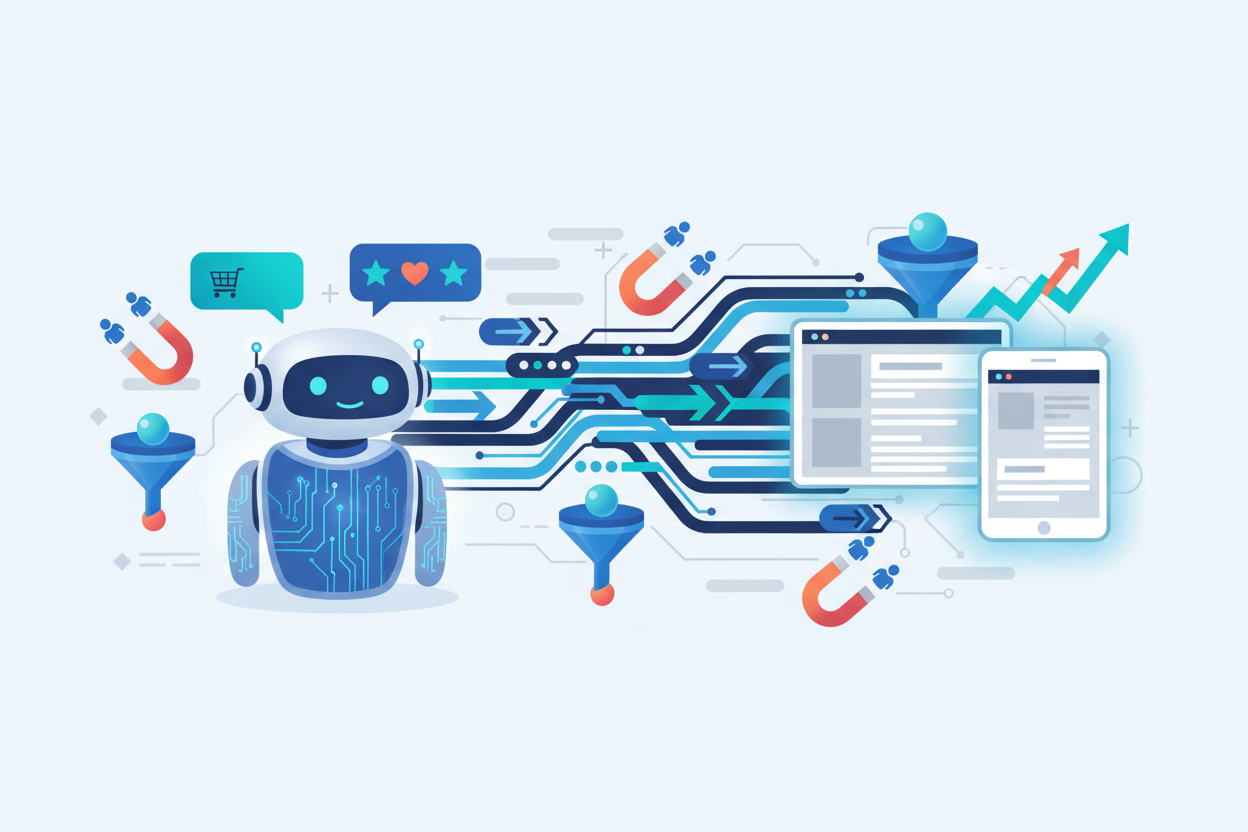
Chatbot Marketing: Automated Traffic Generation Strategies That Actually Work 🚀
Table of Contents
1. Introduction to Chatbot Marketing
2. Why Chatbots Are Traffic Generation Game-Changers
3. Essential Chatbot Traffic Generation Strategies
4. Platform-Specific Chatbot Approaches
5. Advanced Automation Techniques
6. Measuring and Optimizing Your Chatbot Performance
7. Common Pitfalls to Avoid
8. The Future of Chatbot Marketing
9. Conclusion
10. Frequently Asked Questions
Introduction to Chatbot Marketing 💬
Remember the last time you visited a website and that friendly little chat bubble popped up asking if you needed help? That wasn’t just customer service – that was a sophisticated traffic generation machine in action. Welcome to the world of chatbot marketing, where automated conversations turn casual browsers into engaged prospects and loyal customers.
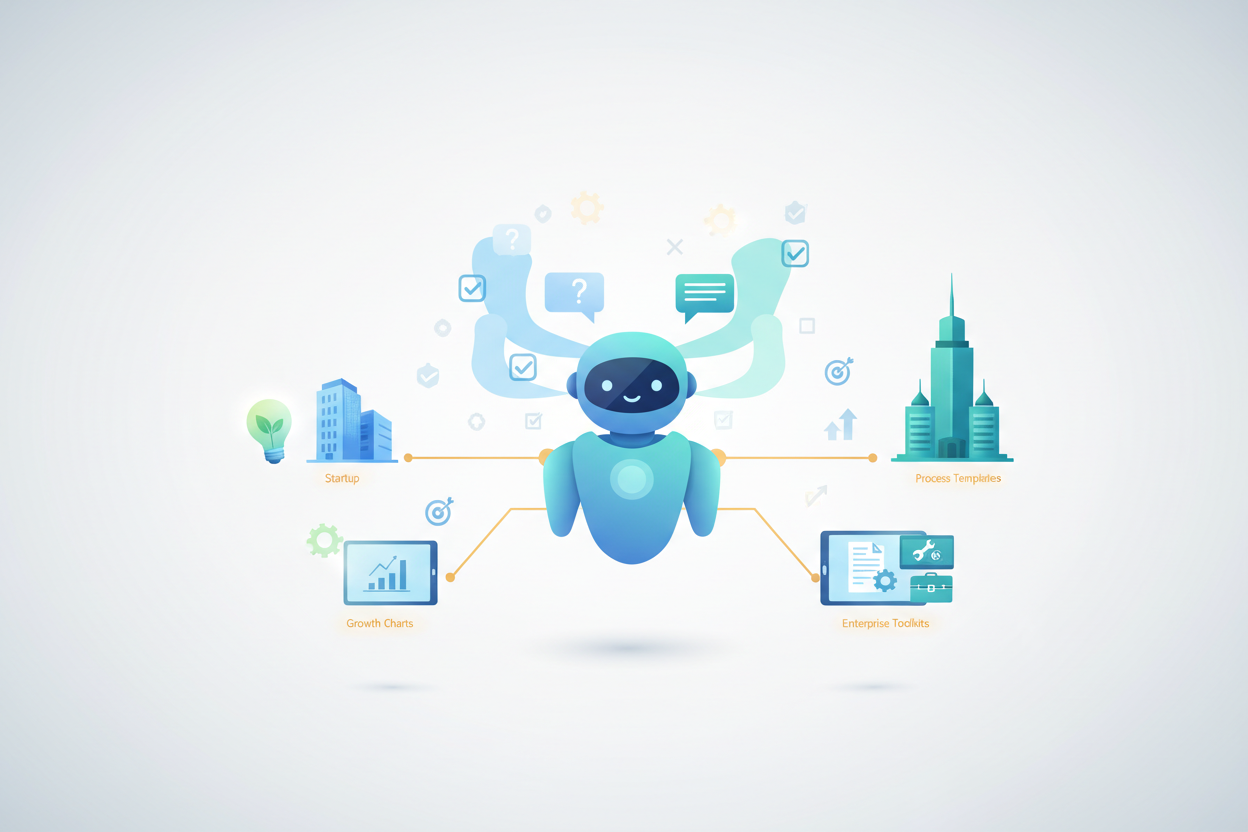
I’ve been working with chatbots for over five years now, and I can tell you firsthand: they’re not just a trendy tech gadget anymore. They’re essential tools that can transform your marketing strategy from reactive to proactive, from manual to automated, and from scattered to laser-focused. In this comprehensive guide, we’ll explore how you can harness the power of chatbot marketing to generate consistent, high-quality traffic that converts.
Why Chatbots Are Traffic Generation Game-Changers 🎯
Let’s be honest – traditional marketing methods are becoming increasingly expensive and less effective. Email open rates are declining, social media organic reach is shrinking, and consumers are more skeptical than ever. Enter chatbots: the perfect solution for businesses looking to cut through the noise and connect with their audience in real-time.
Chatbots excel at traffic generation because they operate 24/7, never take sick days, and can handle multiple conversations simultaneously. Unlike human representatives who might be having a bad day or dealing with personal issues, chatbots maintain consistent messaging and energy levels. They’re also incredibly cost-effective – once set up, they can engage thousands of prospects without additional labor costs.
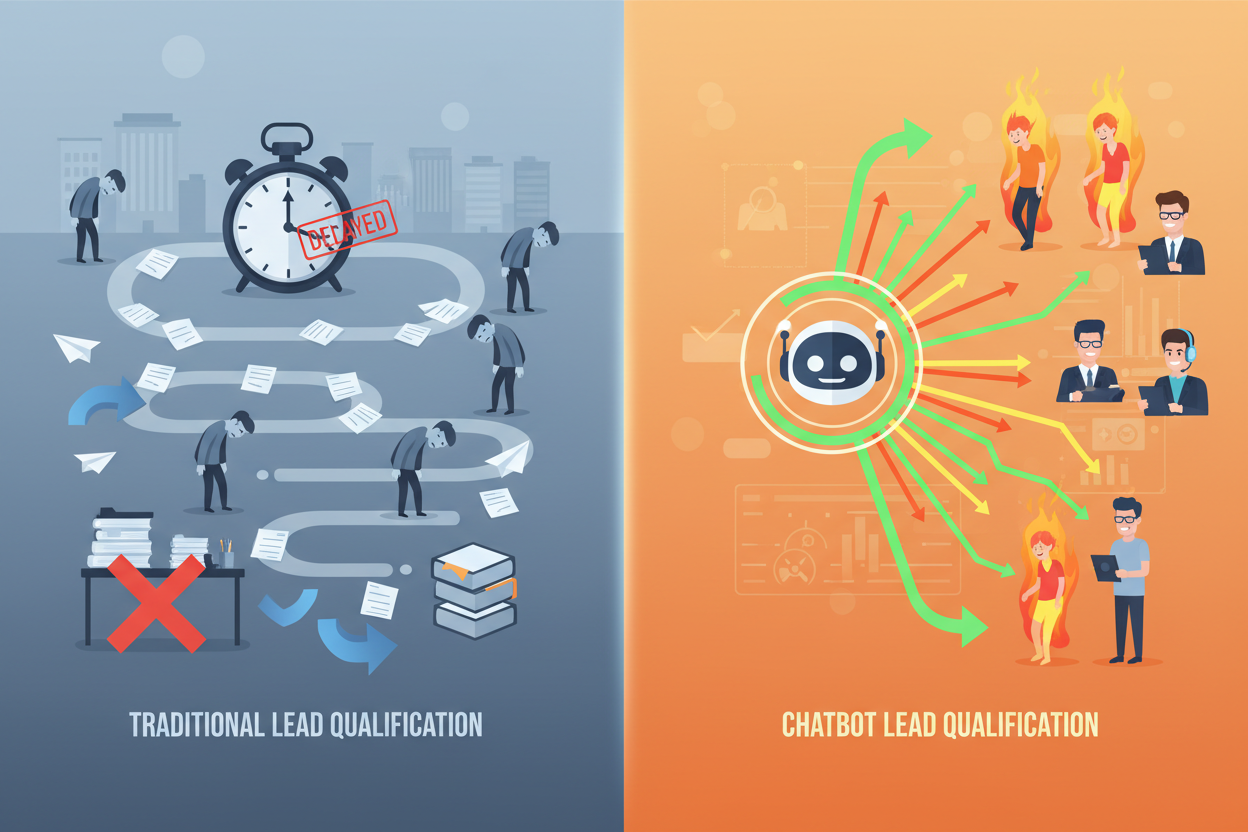
What makes chatbots particularly powerful is their ability to qualify leads instantly. Instead of waiting for someone to fill out a contact form and then following up days later, chatbots can ask the right questions immediately and route qualified prospects to your sales team while they’re still hot. This immediate engagement significantly increases conversion rates and reduces the likelihood of prospects going to competitors.
Essential Chatbot Traffic Generation Strategies 📈
Lead Magnet Distribution Through Conversational Flows
One of the most effective ways I’ve seen businesses use chatbots is for intelligent lead magnet distribution. Instead of simply offering a generic PDF download, chatbots can ask qualifying questions to determine which lead magnet would be most valuable to each visitor. For example, a marketing agency’s chatbot might ask about business size, current challenges, and marketing goals before recommending a specific guide or template.
This personalized approach not only increases download rates but also provides valuable data about your audience. You’ll learn what types of content resonate with different segments, allowing you to create more targeted campaigns in the future.
Interactive Content and Quizzes
People love interactive content, and chatbots are perfect for delivering engaging quizzes, assessments, and calculators. I’ve worked with a fitness company that used a chatbot to deliver a “What’s Your Fitness Personality?” quiz. The results were remarkable – not only did it generate thousands of leads, but the engagement rates were three times higher than their traditional lead magnets.
The key is making the interaction feel natural and valuable. Don’t just ask random questions – create a flow that genuinely helps users while collecting the information you need for segmentation and follow-up marketing.
Event Promotion and Registration
Chatbots excel at promoting webinars, workshops, and other events. They can provide instant information about upcoming events, handle registrations, send reminders, and even answer common questions about logistics. This automated approach ensures no potential attendee falls through the cracks while freeing up your team to focus on content creation and event execution.
Platform-Specific Chatbot Approaches 🌐
Facebook Messenger Marketing
Facebook Messenger remains one of the most powerful platforms for chatbot marketing, with over 1.3 billion active users. The platform’s sophisticated targeting options allow you to reach specific demographics with personalized messages. I’ve found that Messenger chatbots work particularly well for e-commerce businesses, with some clients seeing open rates above 80% and click-through rates over 20%.
The key to Messenger success is creating conversational flows that feel natural and provide immediate value. Avoid overly promotional messages and focus on solving problems or answering questions. Facebook’s algorithm favors helpful, engaging content, so chatbots that provide genuine value will reach more people organically.
Website Chatbots for Immediate Engagement
Website chatbots serve as your digital reception desk, greeting visitors and guiding them toward relevant content or offers. The timing of your chatbot’s appearance is crucial – too early and you’ll annoy visitors, too late and you’ll miss opportunities. I typically recommend triggering chatbots after 30-60 seconds of page engagement or when users show exit intent.
Smart website chatbots can also track user behavior and adjust their messaging accordingly. For instance, if someone has visited your pricing page multiple times, the chatbot might offer a consultation call or demo rather than basic company information.
WhatsApp Business Integration
WhatsApp Business is gaining traction as a marketing platform, particularly in international markets. The platform’s high open rates and personal nature make it ideal for nurturing relationships with prospects and customers. However, WhatsApp requires a more careful approach – users are protective of their WhatsApp experience, so your messaging must be extremely relevant and valuable.
Advanced Automation Techniques 🤖
AI-Powered Personalization
Modern chatbots can leverage artificial intelligence to deliver increasingly personalized experiences. By analyzing user data, browsing behavior, and conversation history, AI chatbots can predict what information or offers will be most relevant to each individual. This level of personalization was once only possible with dedicated sales representatives, but now it’s available 24/7 through automated systems.
The most successful implementations I’ve seen combine rule-based flows with AI capabilities. The chatbot follows predetermined paths for common scenarios while using AI to handle unique questions or situations that fall outside the standard flows.
Multi-Channel Integration
Your chatbot strategy shouldn’t exist in isolation. The most effective approaches integrate chatbots with email marketing, social media campaigns, and other marketing channels. For example, you might use a chatbot to collect email addresses, then trigger a personalized email sequence based on the conversation topics and user responses.
This omnichannel approach ensures consistent messaging across all touchpoints while maximizing the value of each interaction. Users who engage with your chatbot are already showing interest – leveraging that engagement across multiple channels significantly increases conversion potential.
Measuring and Optimizing Your Chatbot Performance 📊
Like any marketing channel, chatbot success depends on continuous measurement and optimization. The key metrics I focus on include engagement rates, completion rates, conversion rates, and user satisfaction scores. However, don’t get lost in vanity metrics – focus on measurements that directly correlate with your business objectives.
A/B testing is crucial for chatbot optimization. Test different greeting messages, conversation flows, and call-to-action buttons to identify what resonates best with your audience. Small changes in wording or timing can significantly impact performance, so maintain a culture of continuous testing and improvement.
User feedback is equally important. Regularly review conversation transcripts to identify points where users get confused or drop off. This qualitative data often reveals optimization opportunities that pure analytics might miss.
Common Pitfalls to Avoid ⚠️
After working with dozens of chatbot implementations, I’ve seen several recurring mistakes that can derail otherwise promising campaigns. The biggest error is trying to automate everything immediately. Start with simple, high-value interactions and gradually expand functionality as you learn what works for your audience.
Another common mistake is neglecting the human handoff process. While chatbots are powerful, they can’t handle every situation. Ensure you have clear protocols for escalating complex issues to human representatives, and make this transition seamless for users.
Finally, don’t underestimate the importance of regular maintenance. Chatbots require ongoing updates to remain effective. Product changes, new promotions, and evolving customer needs all require corresponding updates to your chatbot flows.
The Future of Chatbot Marketing 🔮
The chatbot marketing landscape continues evolving rapidly. Voice-activated chatbots are becoming more sophisticated, visual recognition capabilities are improving, and integration with emerging platforms is expanding possibilities. Businesses that start building chatbot expertise now will be well-positioned to leverage these advancing capabilities.
We’re also seeing increased integration between chatbots and other emerging technologies like augmented reality and blockchain. While these applications are still experimental, they hint at a future where chatbots become even more central to customer experience and traffic generation strategies.
Conclusion: Your Chatbot Marketing Journey Starts Now 🎉
Chatbot marketing isn’t just a trend – it’s a fundamental shift in how businesses interact with prospects and customers. The companies that embrace this technology thoughtfully and strategically will gain significant competitive advantages in traffic generation, lead qualification, and customer engagement.
Remember, successful chatbot marketing isn’t about replacing human interaction – it’s about enhancing and scaling your ability to provide value to your audience. Start small, focus on solving real problems, and gradually expand your chatbot capabilities as you learn what resonates with your specific audience.
The tools and strategies outlined in this guide provide a solid foundation for your chatbot marketing journey. However, the real key to success lies in understanding your audience, testing continuously, and remaining committed to providing genuine value through every automated interaction.
Frequently Asked Questions ❓
Q: How much does it cost to implement chatbot marketing?
A: Chatbot costs vary widely depending on complexity and platform. Simple chatbots can be set up for under $50/month, while sophisticated AI-powered solutions might cost $500+ monthly. However, the ROI often justifies the investment through increased lead generation and reduced labor costs.
Q: Do chatbots work for B2B businesses?
A: Absolutely! B2B chatbots are particularly effective for qualifying leads, scheduling demos, and providing technical information. The key is creating professional, value-focused conversations that respect the longer B2B sales cycle.
Q: How do I prevent my chatbot from annoying website visitors?
A: Focus on timing and value. Trigger chatbots based on user behavior rather than arbitrary time limits, and ensure every interaction provides genuine help or information. Always give users easy ways to dismiss or minimize the chatbot if they’re not interested.
Q: Can chatbots integrate with my existing CRM system?
A: Most modern chatbot platforms offer CRM integrations with popular systems like Salesforce, HubSpot, and Pipedrive. This integration allows seamless lead handoffs and ensures conversation data is captured in your existing workflows.
Q: What’s the biggest mistake businesses make with chatbot marketing?
A: The most common mistake is trying to automate everything immediately without understanding user needs. Start with simple, high-value interactions and gradually expand functionality based on user feedback and behavior data.
Q: How long does it take to see results from chatbot marketing?
A: Many businesses see immediate improvements in engagement rates, but meaningful traffic and conversion improvements typically develop over 2-3 months as you optimize flows and gather user data. The key is consistent testing and refinement.


