

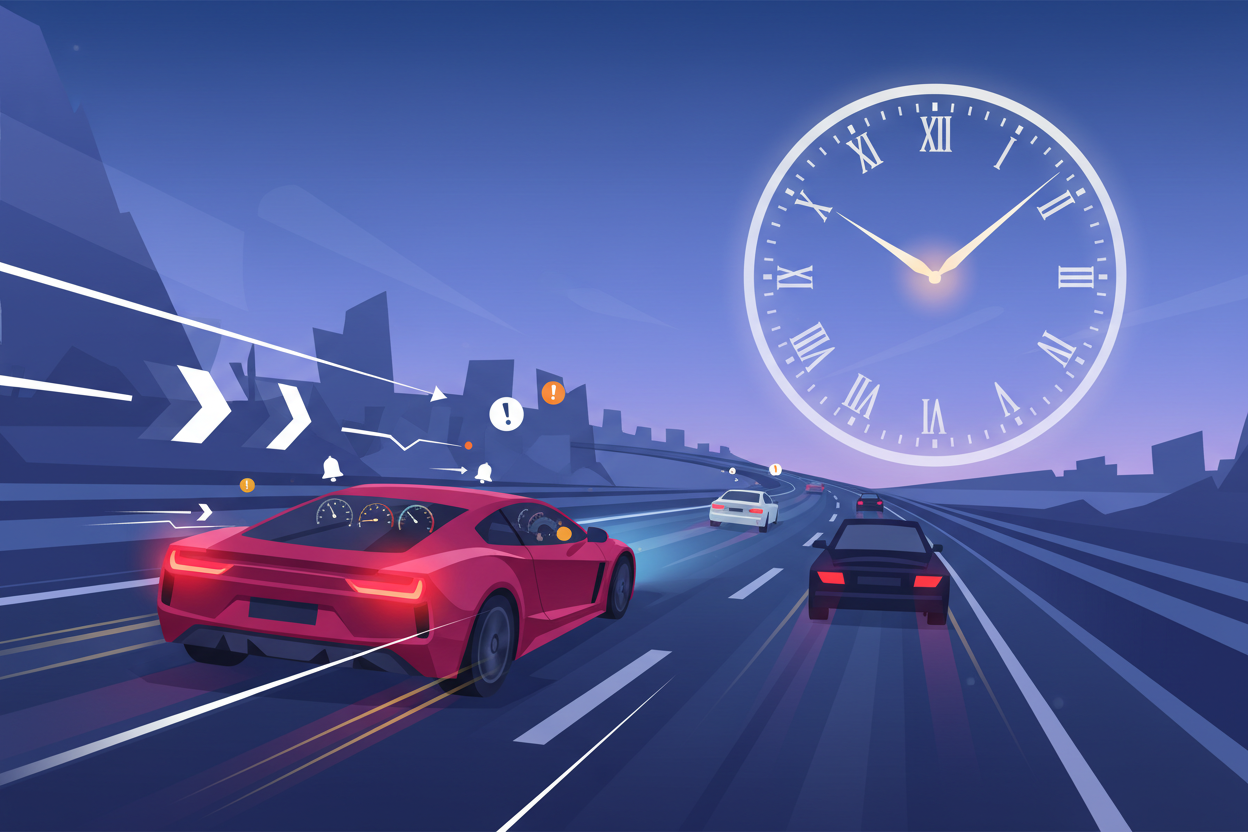
The Psychology of Urgency in Traffic-Driving Campaigns: How to Ethically Boost Conversions 🚀
Table of Contents
1. Understanding the Psychology Behind Urgency Marketing
2. The Science of FOMO: Why Urgency Works So Well
3. Types of Urgency That Drive Traffic and Conversions
4. Ethical Ways to Create Urgency in Your Campaigns
5. Real-World Examples of Successful Urgency Marketing
6. Common Mistakes to Avoid When Using Urgency
7. Measuring the Impact of Urgency on Your Traffic
8. Building Long-Term Trust While Using Urgency Tactics
Introduction
Picture this: You’re scrolling through your favorite online store, casually browsing for a new jacket. Suddenly, a banner pops up saying “Only 3 left in stock!” Your heart rate quickens, and before you know it, you’re frantically adding the item to your cart. Sound familiar? 😅

Welcome to the fascinating world of urgency psychology in marketing. This powerful psychological trigger has been driving consumer behavior for decades, and in today’s digital landscape, it’s become one of the most effective tools for increasing website traffic and boosting conversions.
But here’s the thing – urgency marketing isn’t just about slapping a countdown timer on your website and calling it a day. There’s genuine science behind why our brains respond so strongly to time-sensitive offers, and understanding this psychology can help you create more effective, ethical campaigns that truly serve your audience.
In this comprehensive guide, we’ll dive deep into the psychology of urgency, explore proven strategies that drive traffic, and show you how to implement these tactics without sacrificing your brand’s integrity. Ready to unlock the secrets of urgency marketing? Let’s jump in! 🎯
Understanding the Psychology Behind Urgency Marketing
At its core, urgency marketing taps into one of our most primitive survival instincts: the fear of missing out on something valuable. This isn’t just marketing fluff – it’s rooted in evolutionary psychology that has kept our species alive for thousands of years.
When we perceive scarcity or time constraints, our brains trigger what psychologists call the “scarcity principle.” This mental shortcut tells us that if something is rare or available for a limited time, it must be more valuable than readily available alternatives. It’s the same reason why limited-edition sneakers sell out in minutes or why Black Friday deals create such shopping frenzies.
The neurological response to urgency is fascinating. When we encounter time-sensitive offers, our brains release stress hormones like cortisol and adrenaline. These chemicals heighten our focus and push us toward quick decision-making. Essentially, urgency hijacks our rational thinking process and activates our emotional, impulse-driven responses.
But here’s where it gets really interesting – this response isn’t just about fear. Urgency also triggers our reward system, releasing dopamine when we successfully “catch” a limited-time deal. This creates a positive feedback loop that makes urgency-based marketing incredibly addictive for consumers.
The Science of FOMO: Why Urgency Works So Well 🧠
Fear of Missing Out, or FOMO, has become a defining characteristic of modern consumer behavior. Studies show that up to 69% of millennials experience FOMO regularly, and this psychological phenomenon directly impacts purchasing decisions.
The science behind FOMO reveals three key psychological drivers that make urgency so effective:
Loss Aversion: Humans are naturally wired to avoid losses more than we seek gains. When faced with a “limited time” offer, we’re not just thinking about what we might gain – we’re focused on what we might lose if we don’t act quickly. Research by behavioral economists shows that people feel losses twice as strongly as equivalent gains.
Social Proof: Urgency often incorporates elements of social proof, like “Only 2 left in stock” or “15 people are viewing this item.” This taps into our herd mentality and suggests that other people value this item enough to potentially buy it, making it more desirable to us.
Decision Paralysis Relief: Paradoxically, while urgency creates pressure, it also simplifies decision-making. When faced with countless options online, time constraints help narrow our focus and push us toward action rather than endless deliberation.
These psychological triggers work together to create a perfect storm of motivation that drives traffic and conversions like nothing else.
Types of Urgency That Drive Traffic and Conversions
Not all urgency is created equal. Different types of time-sensitive marketing appeal to different psychological triggers and work better for different industries and audiences. Let’s break down the most effective urgency tactics:
Time-Based Urgency: This is the classic countdown timer approach. Flash sales, limited-time discounts, and deadline-driven offers all fall into this category. Time-based urgency works particularly well for e-commerce, course sales, and event marketing.
Quantity-Based Scarcity: “Only 5 left in stock” or “Limited quantities available” messages tap into scarcity psychology. This approach works especially well for physical products, exclusive services, or anything with genuine inventory limitations.
Seasonal Urgency: Holiday sales, back-to-school promotions, and seasonal clearances create natural urgency tied to calendar events. This type feels more authentic because the time constraints are externally imposed rather than artificially created.
Exclusive Access Urgency: VIP previews, early bird specials, and member-only offers create urgency through exclusivity. This approach builds community while driving immediate action.
Consequence-Based Urgency: “Price increases next week” or “This offer won’t be repeated” messages focus on the negative consequences of inaction rather than the benefits of immediate action.
Ethical Ways to Create Urgency in Your Campaigns ✅
Here’s where many marketers go wrong – they think urgency marketing requires deception or manipulation. The truth is, the most effective urgency campaigns are built on genuine scarcity or time constraints, not fabricated ones.
Authentic Limited-Time Offers: Instead of fake countdown timers that reset when they hit zero, create genuine limited-time promotions. Plan your sales calendar in advance and stick to your deadlines. Your audience will learn to trust your urgency messages, making them more effective over time.
Real Inventory Scarcity: If you’re showing stock levels, make sure they’re accurate. Many e-commerce platforms can automatically display real inventory numbers, eliminating the temptation to exaggerate scarcity.
Transparent Communication: Be clear about why something is urgent. Is it a genuine flash sale? Are you clearing inventory? Is there a supplier deadline? Honest communication builds trust while maintaining urgency.
Value-First Approach: Make sure your urgent offers provide genuine value. Urgency should enhance a good deal, not disguise a poor one. Your reputation depends on delivering on your promises.
Frequency Management: Don’t cry wolf. If every email is “urgent” and every sale is “final,” your audience will become immune to your messages. Use urgency strategically and sparingly for maximum impact.
Real-World Examples of Successful Urgency Marketing 📈
Let’s look at some brands that have mastered the art of ethical urgency marketing:
Amazon’s Lightning Deals: Amazon’s time-limited deals with visible countdown timers and claimed percentages create genuine urgency. The deals are real, the timers are accurate, and the discounts provide actual value.
Booking.com’s Social Proof: Messages like “3 people booked this hotel in the last hour” combine urgency with social proof. While some criticize these messages, they’re generally based on real booking data.
Coursera’s Enrollment Deadlines: Online course platforms use genuine enrollment deadlines to create urgency. Since courses have actual start dates, the urgency is authentic and necessary.
Event Ticketing: Eventbrite and similar platforms show real-time ticket availability and use phrases like “selling fast” when sales velocity increases. This urgency is based on actual demand patterns.
What makes these examples work is their foundation in reality. The urgency isn’t manufactured – it’s a natural result of genuine business constraints or market dynamics.
Common Mistakes to Avoid When Using Urgency ⚠️
Even well-intentioned marketers can stumble when implementing urgency tactics. Here are the most common pitfalls and how to avoid them:
The Fake Countdown Trap: Never use countdown timers that reset or extend automatically. Once your audience catches on (and they will), your credibility is shot. If you need to extend a deadline, be transparent about why.
Overusing Urgency Language: When every email subject line contains “URGENT,” “LAST CHANCE,” or “FINAL HOURS,” these words lose their power. Use urgency language judiciously and only when genuinely appropriate.
Ignoring Mobile Experience: Many urgency elements don’t translate well to mobile devices. Countdown timers might load slowly, and urgency messages might get cut off. Always test your urgency campaigns across all devices.
Forgetting About Time Zones: A “24-hour sale” means different things to people in different time zones. Be clear about deadlines and consider your global audience when setting time-sensitive offers.
Neglecting Follow-Up: What happens to people who miss your urgent deadline? Don’t abandon them completely. Consider follow-up campaigns that rebuild engagement without undermining your previous urgency.
Measuring the Impact of Urgency on Your Traffic 📊
To optimize your urgency marketing, you need to track the right metrics. Here’s what to monitor:
Click-Through Rates: Compare CTR on urgent vs. non-urgent email subject lines and ad copy. You’ll likely see significant improvements with well-crafted urgency messages.
Conversion Rates: Track how urgency affects your conversion rates across different traffic sources. Look for patterns in which types of urgency work best for your audience.
Traffic Spikes: Monitor your website traffic during urgent campaigns. You should see noticeable spikes during active urgency periods.
Revenue Per Visitor: Urgency often increases average order values as customers make quicker, less deliberate purchasing decisions.
Return Customer Rates: This is crucial for measuring the long-term impact of your urgency tactics. If return rates drop, you might be sacrificing customer satisfaction for short-term gains.
Unsubscribe Rates: Monitor email unsubscribes during and after urgent campaigns. High unsubscribe rates might indicate that your urgency feels manipulative or overwhelming.
Building Long-Term Trust While Using Urgency Tactics 🤝
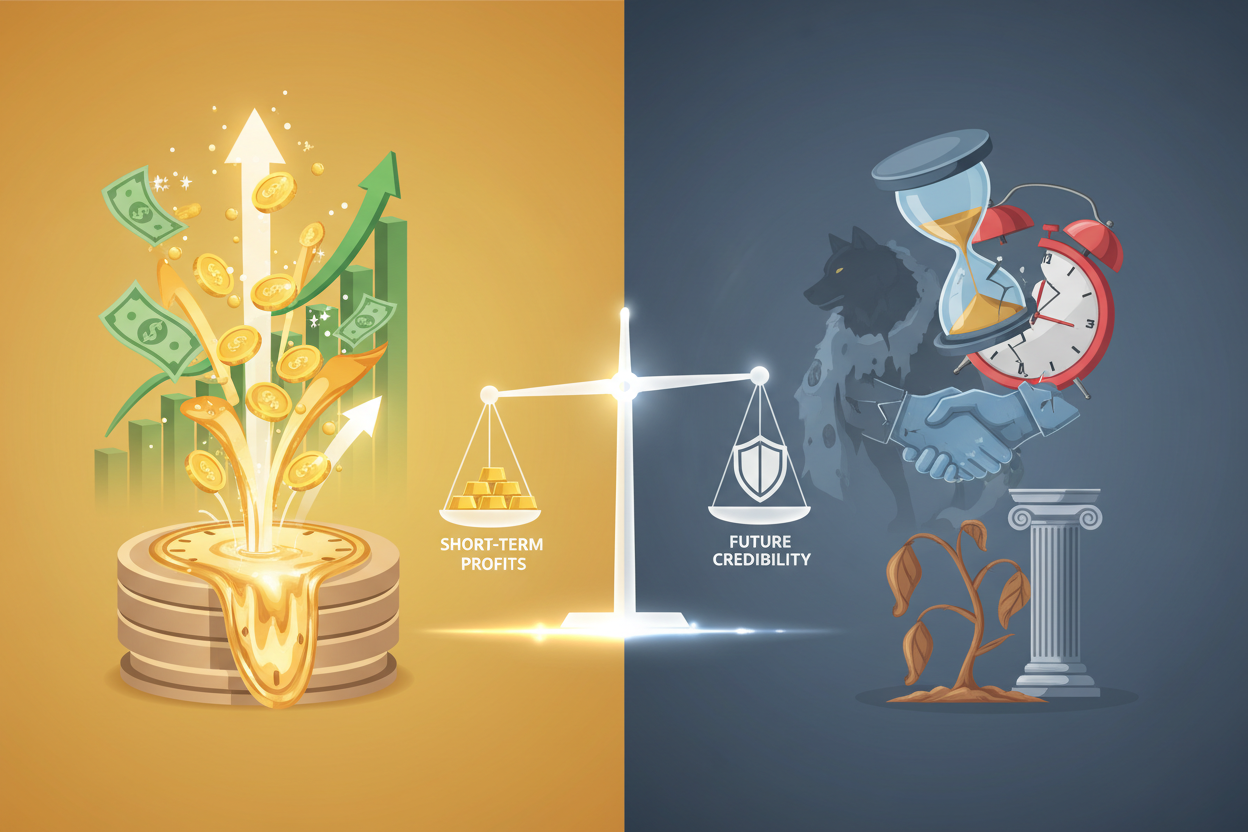
The biggest challenge in urgency marketing is balancing short-term conversion goals with long-term brand trust. Here’s how to maintain that balance:
Consistency is Key: Your urgency messages should align with your overall brand voice and values. A luxury brand’s urgency should feel different from a discount retailer’s, even if the psychological principles are the same.
Deliver on Promises: Every urgent offer is a promise to your customers. If you say a sale ends at midnight, it should end at midnight. If you claim limited quantities, make sure they’re actually limited.
Provide Value Beyond Urgency: Your content and offers should provide genuine value even without the urgency element. Urgency should enhance good offers, not mask poor ones.
Educate Your Audience: Help your customers understand why certain offers are time-sensitive or limited. Transparency builds trust and makes your urgency feel more authentic.
Listen to Feedback: Pay attention to customer comments and feedback about your urgency tactics. If people feel manipulated or pressured, adjust your approach accordingly.
Conclusion
The psychology of urgency in traffic-driving campaigns is both an art and a science. When used ethically and strategically, urgency can significantly boost your website traffic, increase conversions, and create genuine excitement around your offers. The key is understanding that true urgency comes from authentic scarcity or time constraints, not manufactured pressure tactics.
Remember, your audience is smarter than you think. They can spot fake urgency from a mile away, and nothing damages brand trust faster than manipulative marketing tactics. Focus on creating genuine value, being transparent about your offers, and using urgency to highlight real opportunities rather than create artificial pressure.
As you implement these strategies, always keep your long-term relationship with your audience in mind. The goal isn’t just to drive traffic today – it’s to build a sustainable business that customers trust and return to again and again. When urgency marketing is done right, it doesn’t just drive immediate action; it creates positive associations with your brand that pay dividends for years to come.
Start small, test different approaches, and always prioritize authenticity over short-term gains. Your audience – and your bottom line – will thank you for it! 🎉
Frequently Asked Questions
Q: How often should I use urgency in my marketing campaigns?
A: Urgency should be used sparingly to maintain its effectiveness. A good rule of thumb is no more than 20-30% of your campaigns should include urgency elements. Overuse leads to “urgency fatigue” where your audience becomes immune to time-sensitive messages.
Q: Is it okay to extend deadlines if sales are going well?
A: It’s better to avoid extending deadlines as it undermines future urgency campaigns. If you must extend, be transparent about the reason and consider it a learning opportunity to better gauge demand for future campaigns.
Q: What’s the difference between urgency and pressure tactics?
A: Urgency is based on genuine time constraints or scarcity and provides clear value to customers. Pressure tactics use artificial constraints and manipulative language to force quick decisions, often without providing real value.
Q: How do I create urgency for digital products that don’t have inventory limits?
A: Focus on time-based urgency (limited-time pricing), bonus inclusions that expire, or access-based scarcity (limiting enrollment numbers for courses or coaching programs).
Q: Can urgency marketing work for B2B campaigns?
A: Absolutely! B2B urgency might focus on budget deadlines, conference early-bird pricing, or limited consulting availability. The key is understanding your B2B audience’s decision-making timeline and constraints.
Q: How do I measure if my urgency tactics are too aggressive?
A: Monitor metrics like unsubscribe rates, customer complaints, return customer rates, and brand sentiment. If these metrics worsen during urgency campaigns, you may need to tone down your approach.


