


Content Marketing Traffic Strategies for B2B Companies: Your Complete Guide to Driving Quality Leads 🚀
Table of Contents
📋 1. Introduction: Why Content Marketing Traffic Matters for B2B
📋 2. Understanding Your B2B Audience
📋 3. SEO-Optimized Content Creation Strategies
📋 4. Leveraging Social Media for B2B Traffic
📋 5. Email Marketing Integration
📋 6. Thought Leadership and Industry Authority
📋 7. Measuring and Analyzing Your Traffic Success
📋 8. Common Pitfalls to Avoid
📋 9. Conclusion
📋 10. Frequently Asked Questions
Introduction: Why Content Marketing Traffic Matters for B2B 💼
Let’s be honest – generating quality traffic as a B2B company isn’t like promoting the latest consumer gadget or trendy fashion item. Your audience isn’t browsing Instagram looking for their next purchase. Instead, they’re decision-makers, researchers, and professionals seeking solutions to complex business challenges.
Content marketing for B2B companies requires a fundamentally different approach. You’re not just competing for attention; you’re competing for trust, credibility, and the opportunity to guide prospects through lengthy decision-making processes that can span months or even years.
The statistics speak volumes: companies that prioritize content marketing see conversion rates six times higher than those that don’t. But here’s the catch – it’s not just about creating content; it’s about creating the right content that drives qualified traffic and nurtures leads through your sales funnel.
In this comprehensive guide, I’ll walk you through proven strategies that have helped B2B companies transform their content marketing efforts from traffic generators into revenue drivers. Whether you’re a startup looking to establish your presence or an established company seeking to optimize your approach, these strategies will help you cut through the noise and connect with your ideal customers.
Understanding Your B2B Audience: The Foundation of Effective Traffic Generation 🎯
Before diving into tactics, let’s address the elephant in the room: B2B buyers are increasingly sophisticated. They’ve done their homework before they ever reach out to you. In fact, research shows that B2B buyers complete 57% of their purchasing journey before engaging with sales representatives.
This shift means your content needs to be discoverable, valuable, and trustworthy from the very first touchpoint. Start by developing detailed buyer personas that go beyond basic demographics. What keeps your prospects awake at night? What metrics are they responsible for? What does success look like in their role?
I’ve found that the most successful B2B content marketing strategies focus on three key audience segments: the researchers (who gather information), the influencers (who shape opinions), and the decision-makers (who approve purchases). Each segment requires different content types and messaging approaches.
Map your content to the buyer’s journey stages: awareness (problem identification), consideration (solution evaluation), and decision (vendor selection). This mapping ensures you’re creating content that serves your audience at every stage of their journey, naturally driving more qualified traffic to your website.
SEO-Optimized Content Creation Strategies: Building Your Traffic Foundation 📈
Search engine optimization for B2B companies operates differently than B2C. Your keywords are often more specific, technical, and have lower search volumes. But here’s the beauty of B2B SEO – lower competition often means higher conversion rates when you get it right.
Start with comprehensive keyword research focusing on industry-specific terms, pain points, and solution-oriented queries. Tools like SEMrush, Ahrefs, or even Google’s Keyword Planner can reveal goldmines of opportunity. Look for long-tail keywords that indicate buying intent, such as “enterprise software implementation best practices” or “B2B lead generation automation tools.”
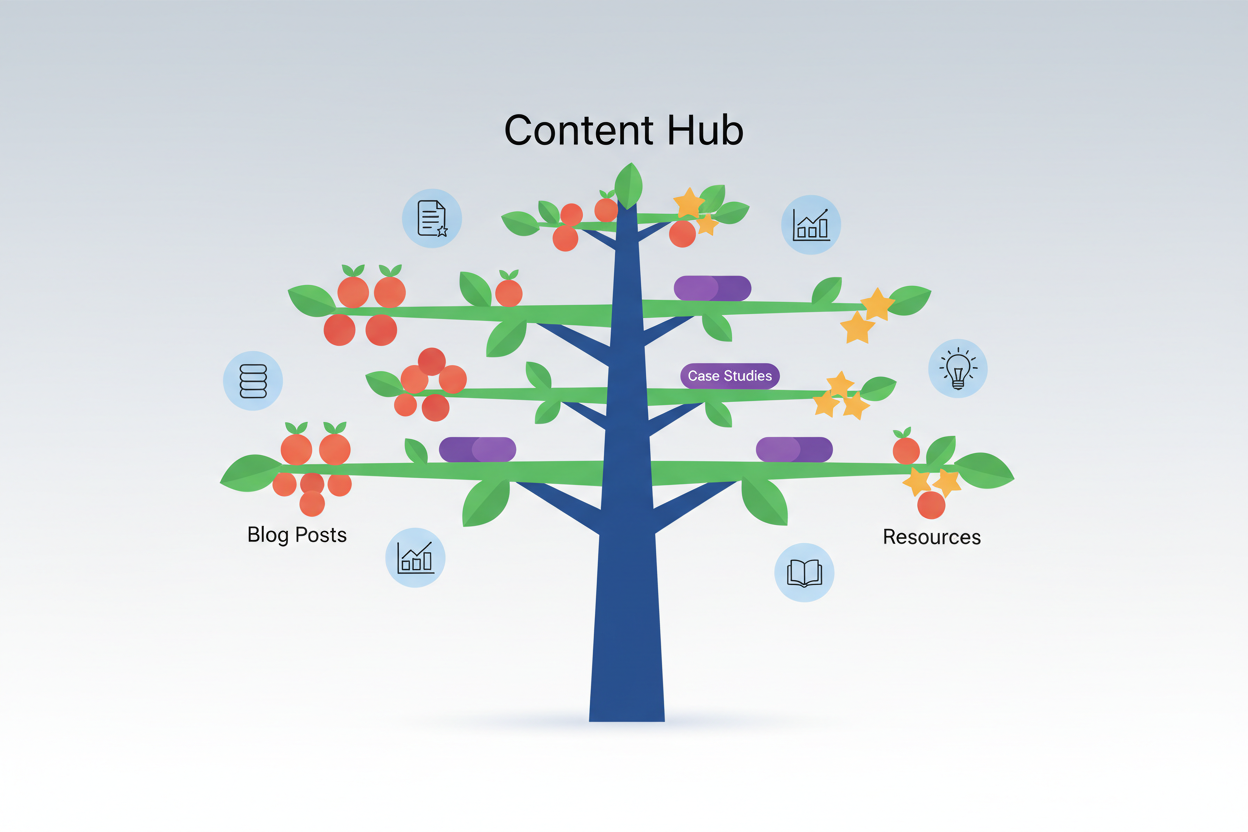
Create pillar content – comprehensive, authoritative pieces that cover broad topics in your industry. These serve as the foundation for your content strategy and can be broken down into multiple smaller pieces. For example, a comprehensive guide on “Digital Transformation for Manufacturing” could spawn dozens of blog posts, case studies, and resources.
Don’t forget about technical SEO elements that B2B sites often overlook: site speed optimization, mobile responsiveness, and proper schema markup. B2B decision-makers often research on mobile devices during commutes or between meetings, so your content must be accessible across all platforms.
Leveraging Social Media for B2B Traffic: Beyond LinkedIn 📱
While LinkedIn dominates B2B social media discussions, successful companies diversify their social presence. LinkedIn remains crucial – it’s where 80% of B2B leads originate from social media – but don’t ignore other platforms where your audience might be active.
Twitter serves as an excellent platform for sharing industry insights, participating in relevant conversations, and establishing thought leadership. Use Twitter to share quick tips, industry news commentary, and engage in real-time discussions during industry events or conferences.
YouTube often gets overlooked in B2B strategies, yet it’s the second-largest search engine. Create educational videos, product demonstrations, and customer success stories. Video content typically generates higher engagement rates and can significantly boost your website traffic when optimized properly.
The key to social media success in B2B isn’t constant promotion – it’s providing value. Share industry insights, comment thoughtfully on others’ posts, and participate in relevant groups and discussions. This approach builds relationships that eventually drive quality traffic to your content.
Email Marketing Integration: Nurturing Traffic into Conversions ✉️
Email marketing remains one of the highest ROI channels for B2B companies, with an average return of $42 for every $1 spent. But its real power lies in how it complements your content marketing traffic generation efforts.
Develop email sequences that guide subscribers through your content ecosystem. When someone downloads a whitepaper, follow up with related blog posts, case studies, and additional resources. This approach keeps your brand top-of-mind while driving consistent traffic back to your website.
Segment your email lists based on content consumption behavior. Someone who consistently opens emails about marketing automation might be interested in advanced strategy content, while someone focused on basic guides needs more foundational resources.
Use email to promote your best-performing content to new audiences. Repurpose high-traffic blog posts into email newsletters, and create email-exclusive content that drives subscribers back to your website for the full experience.
Thought Leadership and Industry Authority: The Long-Term Traffic Strategy 🏆
Building genuine thought leadership takes time, but it’s perhaps the most sustainable way to generate consistent, high-quality traffic. When industry professionals recognize your company as a trusted source of insights, they’ll actively seek out your content.
Start by identifying unique perspectives or experiences your company brings to the industry. Maybe you’ve noticed trends others haven’t, or you’ve developed innovative approaches to common challenges. Share these insights consistently across your content channels.
Guest posting on reputable industry publications can significantly boost your visibility and drive referral traffic. Focus on publications your target audience actually reads, and always provide genuine value rather than thinly veiled promotional content.
Speaking at industry events, participating in podcasts, and contributing to industry reports all contribute to building authority. Each appearance should drive traffic back to your owned content channels, creating a compounding effect over time.
Measuring and Analyzing Your Traffic Success: Data-Driven Optimization 📊
The most successful B2B content marketing strategies are built on continuous improvement driven by data analysis. But measuring success goes beyond vanity metrics like page views or social media likes.
Focus on metrics that matter: qualified lead generation, content engagement depth, and progression through your sales funnel. Use tools like Google Analytics 4 to track user behavior, identify your highest-converting content, and understand which traffic sources deliver the most valuable visitors.
Implement attribution modeling to understand how different content pieces contribute to conversions. A prospect might discover you through a blog post, engage with several pieces of content, and finally convert after downloading a case study. Understanding these pathways helps you optimize your entire content ecosystem.
Regular content audits help identify opportunities for improvement. Which pieces drive the most traffic but have low conversion rates? These might need better calls-to-action or more relevant follow-up content suggestions.
Common Pitfalls to Avoid: Learning from Others’ Mistakes ⚠️
Even well-intentioned B2B content marketing efforts can fall flat. One of the biggest mistakes I see companies make is creating content in silos. Your blog posts, social media content, email campaigns, and sales materials should all work together to create a cohesive experience.
Another common pitfall is focusing too heavily on product features rather than customer outcomes. Your audience cares more about how your solution will impact their business than about technical specifications. Frame your content around business results and customer success stories.
Don’t underestimate the importance of consistency. Sporadic content publication confuses both search engines and your audience. Develop a realistic content calendar and stick to it, even if it means publishing less frequently.
Finally, avoid the temptation to chase every new platform or trend. It’s better to excel on a few channels than to spread yourself thin across many. Focus on where your audience actually spends time and where you can consistently deliver value.
Conclusion: Your Path to B2B Content Marketing Success 🎯
Effective content marketing traffic generation for B2B companies isn’t about quick wins or viral moments. It’s about building sustainable systems that consistently attract, engage, and convert your ideal customers. The strategies outlined in this guide work together to create a comprehensive approach that drives both immediate results and long-term growth.
Remember, success in B2B content marketing requires patience, consistency, and a genuine commitment to serving your audience. Start with understanding your customers deeply, create valuable content that addresses their real challenges, and use data to continuously improve your approach.
The companies that win in B2B content marketing are those that view it as a long-term investment in building relationships and establishing authority. When you consistently deliver value through your content, traffic generation becomes a natural byproduct of the trust and credibility you’ve built.
Begin implementing these strategies systematically, measure your results, and adjust based on what you learn about your audience. With dedication and the right approach, your content marketing efforts will become a powerful engine for sustainable business growth.
Frequently Asked Questions 🤔
Q: How long does it take to see results from B2B content marketing?
A: Most B2B companies start seeing initial traffic improvements within 3-6 months of consistent content creation. However, significant lead generation and revenue impact typically takes 6-12 months as you build authority and trust with your audience.
Q: What’s the ideal content publishing frequency for B2B companies?
A: Quality trumps quantity every time. Most successful B2B companies publish 2-4 high-quality blog posts per month, supplemented by other content types like case studies, whitepapers, and social media content. Consistency is more important than frequency.
Q: Should B2B companies focus more on educational or promotional content?
A: The 80/20 rule works well: 80% educational, value-driven content and 20% promotional content. B2B buyers want to learn and solve problems first, then consider solutions. Build trust through education before promoting your products or services.
Q: How do I measure the ROI of my B2B content marketing efforts?
A: Track metrics like organic traffic growth, lead quality scores, content-influenced pipeline, and customer acquisition cost. Use marketing attribution tools to understand how content contributes to sales, and calculate the lifetime value of customers acquired through content marketing.
Q: What content formats work best for B2B traffic generation?
A: Long-form blog posts (1,500+ words), comprehensive guides, case studies, and video content tend to perform well for B2B audiences. The key is matching content format to your audience’s preferences and consumption habits rather than following generic best practices.


