


How to Create Ads That People Actually Want to Click: The Ultimate Guide to Irresistible Advertising 🎯
Table of Contents
1. Introduction: Why Most Ads Fail to Capture Attention
2. Understanding Your Audience’s Psychology
3. Crafting Headlines That Stop the Scroll
4. Visual Elements That Demand Attention
5. The Power of Emotional Triggers in Ad Copy
6. Timing and Placement: When and Where to Show Your Ads
7. Testing and Optimization Strategies
8. Common Mistakes to Avoid
9. Conclusion
10. Frequently Asked Questions
Introduction: Why Most Ads Fail to Capture Attention 📱
Let’s be honest – we’ve all become professional ad-avoiders. We scroll past sponsored posts faster than you can say “targeted advertising,” and we’ve developed an almost supernatural ability to ignore banner ads. The average person sees between 6,000 to 10,000 ads every single day, yet clicks on less than 0.05% of them. That’s a sobering statistic if you’re trying to make your advertising budget work harder.
But here’s the thing: some ads do break through the noise. Some ads make us stop mid-scroll, lean in closer, and actually click. What makes these ads different? It’s not just luck or a bigger budget – it’s understanding the psychology of what makes people want to engage with your content.
In this comprehensive guide, I’ll share the strategies that top marketers use to create ads that don’t just get seen, but actually get clicked. Whether you’re running Facebook ads, Google campaigns, or any other digital advertising platform, these principles will help you create more engaging, clickable content that converts browsers into customers.
Understanding Your Audience’s Psychology 🧠
Before you write a single word of ad copy or choose your first image, you need to get inside your audience’s head. What are they thinking about when they encounter your ad? What problems keep them up at night? What dreams do they chase during the day?
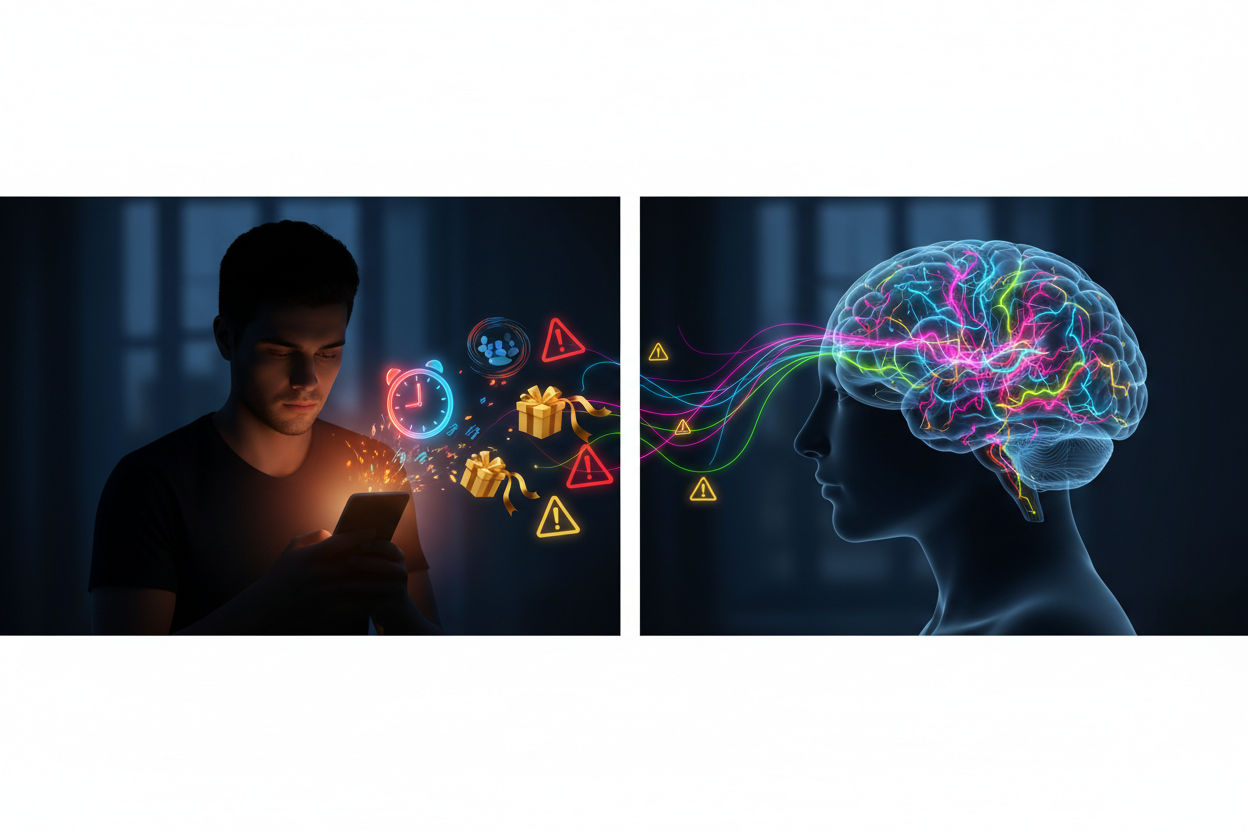
The most clickable ads tap into what psychologists call “cognitive triggers” – mental shortcuts our brains use to make quick decisions. Fear of missing out (FOMO), social proof, and the desire for instant gratification are just a few examples. When someone is scrolling through their feed at 11 PM after a long day, they’re not looking for complicated messages. They want something that speaks directly to their immediate needs or desires.
Start by creating detailed buyer personas that go beyond demographics. Sure, knowing that your target customer is a 35-year-old working mother is helpful, but understanding that she feels overwhelmed by her daily routine and dreams of having more time for herself – that’s where the magic happens. This deeper understanding allows you to craft messages that feel personal and relevant, not generic and salesy.
Crafting Headlines That Stop the Scroll ✋
Your headline is your first and often only chance to capture attention. In the split second someone’s eye catches your ad, your headline needs to communicate value, create curiosity, or solve a problem. It’s a tall order for just a few words, but it’s absolutely crucial for click-through success.
The best headlines often follow proven formulas that have worked for decades. “How to” headlines promise valuable information. “X Ways to” headlines suggest a comprehensive solution. Questions can create curiosity gaps that beg to be filled. Numbers add specificity and credibility – “Lose 10 Pounds” feels more achievable than “Lose Weight.”
But here’s what many marketers miss: your headline should match the emotional state of your audience when they see it. If they’re frustrated with a problem, acknowledge that frustration. If they’re dreaming of a better future, paint that picture. The headline “Finally, a Project Management Tool That Actually Works” resonates because it acknowledges the pain of using tools that don’t work while promising a solution.
Power words can also dramatically increase click-through rates. Words like “secret,” “exclusive,” “proven,” “guaranteed,” and “instant” trigger psychological responses that make people want to learn more. Just remember to use them authentically – empty promises will hurt your credibility and conversion rates down the line.
Visual Elements That Demand Attention 👁️
In our visual-first digital world, your ad’s image or video often determines whether someone even reads your headline. The human brain processes visual information 60,000 times faster than text, which means your visual elements need to work overtime to capture and hold attention.
Faces are incredibly powerful in advertising visuals. We’re hardwired to notice and respond to human faces, especially when they’re looking directly at us or toward your call-to-action button. But not just any face will do – the emotion on that face should match the emotion you want to evoke in your audience. A confident smile works for success-oriented products, while a concerned expression might be perfect for problem-solving services.
Color psychology plays a huge role in ad performance too. Red creates urgency and excitement, blue builds trust and reliability, green suggests growth and prosperity. But context matters more than color theory textbooks. A bright, contrasting color that stands out in the platform’s typical feed will often outperform a “psychologically perfect” color that blends into the background.
Movement catches the eye like nothing else, which is why video ads often outperform static images. But if you’re using video, the first three seconds are critical. Most people decide whether to keep watching within that tiny window, so front-load your most compelling visual or message.
The Power of Emotional Triggers in Ad Copy 💭
Logic makes people think, but emotions make people act. The most clickable ads understand this fundamental truth about human psychology. While your product’s features might be impressive, it’s the emotional benefits that drive clicks and conversions.
Fear-based triggers can be incredibly effective when used ethically. “Don’t let your competitors get ahead” or “Limited time before prices increase” create urgency that motivates action. But balance fear with hope – show the negative consequence of inaction, then paint a picture of the positive outcome your solution provides.
Social proof is another powerful emotional trigger. Phrases like “Join 50,000+ satisfied customers” or “As seen on TV” tap into our natural tendency to follow the crowd. User-generated content, testimonials, and reviews can provide authentic social proof that feels more genuine than corporate messaging.
The desire for exclusivity and status drives many purchasing decisions. “VIP access,” “members only,” and “exclusive invitation” make people feel special and important. Even if your product is available to everyone, positioning it as exclusive or premium can increase its perceived value and click-through rates.
Timing and Placement: When and Where to Show Your Ads ⏰
The best ad in the world won’t get clicked if it’s shown to the wrong person at the wrong time. Understanding when your audience is most likely to be receptive to your message can dramatically improve your click-through rates without changing a single word of your copy.
Different platforms have different peak engagement times, but more importantly, different audiences have different online behaviors. B2B audiences might be most active during work hours, while consumer audiences might engage more during evenings and weekends. Parents might scroll social media after putting kids to bed, while young professionals might check their phones during commute times.
Context matters enormously for ad placement. An ad for meal delivery services will perform differently on a cooking website versus a fitness blog, even if it’s the same audience. The mindset and intent of users varies dramatically based on what they were doing when they encountered your ad.
Frequency capping is crucial for maintaining click-through rates over time. Showing the same ad too many times to the same person doesn’t just waste money – it can actually decrease performance as people become blind to your message or, worse, annoyed by it.
Testing and Optimization Strategies 🔬
Creating clickable ads isn’t a one-and-done process – it’s an ongoing cycle of testing, learning, and improving. Even experienced marketers can’t predict which ads will perform best, which is why systematic testing is so important.
A/B testing should be your best friend, but test one element at a time to get clear results. Test different headlines while keeping everything else the same, then test different images, then test different calls-to-action. Testing multiple elements simultaneously makes it impossible to know which change drove the performance difference.
Don’t just test big, obvious differences. Sometimes small changes yield big results. Testing “Sign Up Now” versus “Get Started Today” might seem trivial, but it could impact your click-through rate significantly. The same goes for testing different emoji, punctuation, or even the order of words in your headline.
Pay attention to your data, but also trust your instincts about what resonates with your audience. Sometimes an ad that performs well statistically doesn’t align with your brand voice or values. Long-term brand building is often more valuable than short-term click-through rate improvements.
Common Mistakes to Avoid ❌
Even well-intentioned marketers make mistakes that kill their click-through rates. Being too clever or creative can backfire if it confuses your audience about what you’re offering. Your ad should be clear and compelling, not a puzzle for people to solve.
Overpromising is another common trap. While you want to create excitement and urgency, making claims you can’t deliver on will hurt your credibility and lead to poor conversion rates even if you get the initial click. It’s better to under-promise and over-deliver than the reverse.
Ignoring mobile optimization is a critical error in today’s mobile-first world. Your ads need to look great and load quickly on smartphones, or you’ll lose a huge portion of your potential audience. This includes making sure your text is readable at small sizes and your call-to-action buttons are easy to tap with a thumb.
Finally, don’t forget about ad fatigue. Even your best-performing ads will eventually decline in effectiveness as your audience becomes familiar with them. Plan to refresh your creative regularly to maintain performance over time.
Conclusion 🎯
Creating ads that people actually want to click isn’t about tricks or manipulation – it’s about understanding your audience deeply and communicating with them in a way that feels relevant, valuable, and authentic. The best clickable ads solve real problems, evoke genuine emotions, and provide clear value propositions that resonate with their target audience.
Remember that every element of your ad works together to create the overall impression. A compelling headline with a weak image won’t perform as well as a cohesive ad where every element reinforces your core message. Similarly, perfect creative won’t overcome poor targeting or bad timing.
The digital advertising landscape continues to evolve rapidly, with new platforms, formats, and audience behaviors emerging constantly. But the fundamental principles of human psychology remain consistent. Focus on understanding your audience, communicating clearly and authentically, and continuously testing and improving your approach.
Start implementing these strategies one at a time, measure the results, and build on what works for your specific audience and industry. With patience and persistence, you’ll develop the skills to create ads that not only get clicked but also drive meaningful results for your business.
Frequently Asked Questions 🤔
Q: What’s a good click-through rate for online ads?
A: Click-through rates vary significantly by industry and platform. Google Ads typically see 2-5% CTR, while Facebook ads often range from 0.5-2%. Focus more on improving your own baseline performance than hitting arbitrary benchmarks.
Q: How long should my ad headline be?
A: Most platforms truncate headlines after 25-30 characters on mobile, so front-load your most important words. However, longer headlines can work well for platforms that display them fully, like email subject lines.
Q: Should I use the same ad creative across all platforms?
A: While your core message should be consistent, adapt your creative to each platform’s unique format and audience behavior. Instagram users expect different content than LinkedIn users, even if they’re the same person.
Q: How often should I refresh my ad creative?
A: Monitor your frequency metrics and performance data. When you notice declining click-through rates or increasing cost per click, it’s time to refresh. This could be anywhere from weekly to monthly, depending on your audience size and budget.
Q: Is it better to focus on clicks or conversions?
A: While this guide focuses on clicks, ultimately conversions matter more for business success. A high-clicking ad that doesn’t convert is just expensive traffic. Optimize for clicks first to get data, then optimize for conversions to drive results.


