


Cross-Platform Ad Campaign Coordination: Maximizing Traffic Reach 🚀
Table of Contents
1. Introduction to Cross-Platform Advertising
2. Understanding the Multi-Platform Landscape
3. Benefits of Coordinated Cross-Platform Campaigns
4. Essential Strategies for Maximum Traffic Reach
5. Platform-Specific Optimization Techniques
6. Measuring Success Across Multiple Channels
7. Common Pitfalls and How to Avoid Them
8. Future Trends in Cross-Platform Advertising
9. Frequently Asked Questions
10. Conclusion
Introduction to Cross-Platform Advertising 🎯
In today’s fragmented digital landscape, your audience isn’t hanging out in just one place. They’re scrolling through Instagram during their morning coffee, checking LinkedIn between meetings, watching YouTube videos during lunch, and browsing Facebook before bed. If you’re only advertising on one platform, you’re essentially fishing in a single pond when there’s an entire ocean of potential customers waiting to be reached.

Cross-platform ad campaign coordination has become the holy grail of digital marketing, and for good reason. It’s not just about casting a wider net – it’s about creating a symphony of touchpoints that work together harmoniously to guide your audience through their buying journey. When done right, coordinated campaigns can increase your traffic reach by up to 300% compared to single-platform efforts.
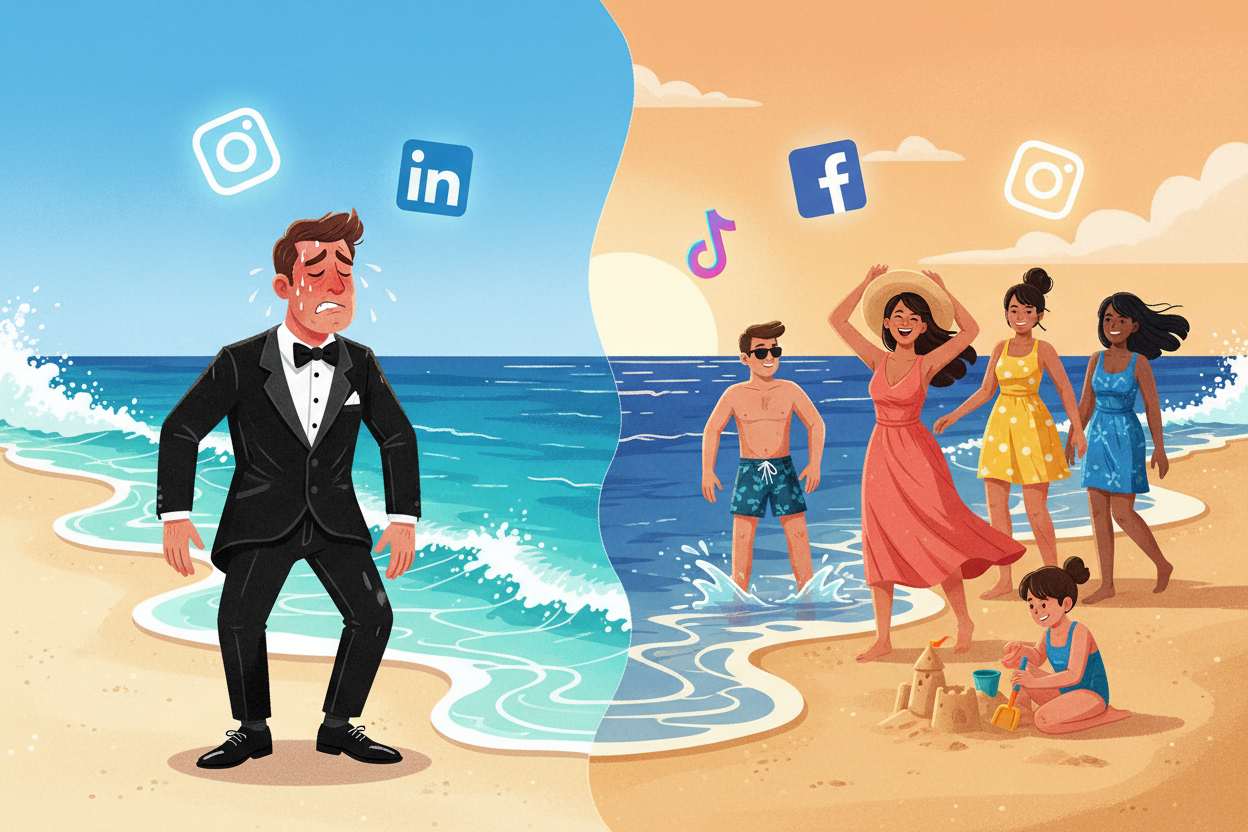
But here’s the thing: throwing the same ad creative across every platform and hoping for the best is like wearing a tuxedo to the beach. It might work, but it’s definitely not optimal. Each platform has its own personality, audience behavior patterns, and best practices that demand respect and understanding.
Understanding the Multi-Platform Landscape 🌐
Before diving into coordination strategies, let’s acknowledge the reality we’re working with. The average internet user actively engages with 6-8 different social media platforms monthly. That’s a lot of digital real estate where your brand could potentially make an impression.
Each platform serves different purposes in people’s lives. Facebook remains the social hub for personal connections and community engagement. Instagram captivates with visual storytelling and lifestyle inspiration. LinkedIn facilitates professional networking and industry insights. YouTube entertains and educates through video content. Twitter buzzes with real-time conversations and trending topics.
Understanding these nuances isn’t just marketing theory – it’s practical wisdom that can make or break your campaign performance. I’ve seen countless businesses waste thousands of dollars by treating all platforms identically, wondering why their engagement rates were abysmal on certain channels.
Benefits of Coordinated Cross-Platform Campaigns 📈
The advantages of well-coordinated cross-platform advertising extend far beyond simple reach multiplication. When platforms work together synergistically, something magical happens – the whole becomes greater than the sum of its parts.
First, you achieve unprecedented frequency without annoying your audience. Instead of bombarding users on a single platform, you create multiple gentle touchpoints across their digital journey. This distributed approach feels more natural and less intrusive, leading to higher engagement rates and better brand perception.
Second, cross-platform coordination allows for sophisticated audience nurturing. You can introduce your brand on Instagram, provide detailed information on Facebook, showcase testimonials on YouTube, and close the deal through targeted email campaigns triggered by social media engagement.
Third, you gain invaluable insights into customer behavior patterns. By tracking how users interact with your brand across different platforms, you develop a comprehensive understanding of their preferences, pain points, and decision-making processes. This intelligence becomes rocket fuel for future campaign optimization.
Essential Strategies for Maximum Traffic Reach 🎪
Successful cross-platform coordination starts with strategic planning, not random execution. Begin by mapping your customer journey across all relevant touchpoints. Where do they first discover brands like yours? Which platforms do they use for research? Where do they make purchasing decisions?
Create a unified brand message that can be adapted rather than duplicated across platforms. Your core value proposition should remain consistent, but the way you communicate it should flex to match each platform’s communication style. Think of it as speaking the same language with different accents.
Timing coordination is crucial for maximizing impact. Instead of launching simultaneously everywhere, consider a strategic rollout that builds momentum. Start with awareness-focused content on high-reach platforms like Facebook and Instagram, then follow up with more detailed, conversion-focused content on platforms where your audience is ready to take action.
Budget allocation requires careful consideration of each platform’s strengths and your campaign objectives. Don’t fall into the trap of equal distribution – invest more heavily in platforms that align with your primary goals and audience behavior patterns.
Platform-Specific Optimization Techniques 🔧
While coordination is key, platform-specific optimization is where the magic really happens. Each social media platform has developed its own ecosystem with unique algorithms, user expectations, and content formats that perform best.
Facebook rewards engaging, community-building content that sparks conversations. Focus on storytelling, user-generated content, and posts that encourage comments and shares. Facebook’s algorithm particularly favors content that keeps users on the platform longer, so native video content often outperforms external links.
Instagram thrives on high-quality visuals and authentic storytelling. Leverage Stories for behind-the-scenes content, use Reels for trending topics and entertainment, and maintain a cohesive aesthetic in your main feed. Instagram users expect polished, aspirational content that fits seamlessly into their curated feeds.
LinkedIn demands professional, value-driven content that helps users advance their careers or businesses. Share industry insights, thought leadership articles, and company culture content. LinkedIn users are in a professional mindset, so your messaging should reflect expertise and authority rather than casual brand personality.
YouTube requires a long-term content strategy focused on providing genuine value to viewers. The platform rewards consistency, engagement, and watch time. Create educational content, tutorials, and entertainment that keeps viewers watching and coming back for more.
Measuring Success Across Multiple Channels 📊
Measuring cross-platform campaign success requires a more sophisticated approach than traditional single-channel metrics. While platform-specific KPIs remain important, the real value lies in understanding how channels work together to drive overall business objectives.
Attribution modeling becomes crucial when tracking multi-touch customer journeys. First-click attribution shows which platforms are best for initial awareness, while last-click attribution reveals which channels are strongest at converting. However, the most valuable insights often come from multi-touch attribution models that give credit to all touchpoints along the customer journey.
Unified tracking systems help you see the bigger picture. Google Analytics 4, for example, provides cross-platform insights that show how users move between different traffic sources before converting. This data helps you optimize budget allocation and identify which platform combinations work best together.
Don’t forget to measure qualitative metrics alongside quantitative ones. Brand sentiment, message recall, and customer lifetime value often tell a more complete story than clicks and impressions alone.
Common Pitfalls and How to Avoid Them ⚠️
Even experienced marketers fall into predictable traps when coordinating cross-platform campaigns. The most common mistake is treating all platforms as identical distribution channels rather than unique environments with their own rules and cultures.
Another frequent pitfall is over-coordination to the point of redundancy. Your audience doesn’t want to see the exact same content everywhere they go online. This creates banner blindness and can actually decrease overall engagement across all platforms.
Budget misallocation often stems from emotional attachment to certain platforms rather than data-driven decision making. Just because you personally love Instagram doesn’t mean it’s the best platform for your business objectives. Let performance data guide your investment decisions.
Inconsistent messaging across platforms can confuse your audience and dilute your brand identity. While content should be platform-optimized, your core brand values and messaging should remain recognizable everywhere.
Future Trends in Cross-Platform Advertising 🔮
The cross-platform advertising landscape continues evolving at breakneck speed. Artificial intelligence and machine learning are making campaign coordination more sophisticated, with automated bidding strategies that optimize across multiple platforms simultaneously.
Privacy changes like iOS 14.5+ and the eventual deprecation of third-party cookies are pushing marketers toward first-party data strategies. This shift makes cross-platform coordination even more valuable, as brands need multiple touchpoints to build direct relationships with their audiences.
Emerging platforms like TikTok and emerging technologies like augmented reality are creating new opportunities for creative cross-platform integration. Forward-thinking brands are already experimenting with campaigns that seamlessly blend traditional platforms with these newer channels.
The rise of social commerce is blurring the lines between advertising and selling, making it possible to create truly integrated shopping experiences that span multiple platforms while maintaining a cohesive brand experience.
Frequently Asked Questions 🤔
Q: How many platforms should I include in a cross-platform campaign?
A: Start with 3-4 platforms where your audience is most active rather than trying to be everywhere at once. Quality coordination beats quantity every time.
Q: Should I use the same creative assets across all platforms?
A: No, adapt your creative to each platform’s format and audience expectations while maintaining consistent brand messaging and visual identity.
Q: How do I determine budget allocation across platforms?
A: Base allocation on historical performance data, audience size, and campaign objectives. Start with test budgets and scale up on platforms that deliver the best results.
Q: What’s the best way to track cross-platform campaign performance?
A: Use UTM parameters, conversion tracking pixels, and analytics tools that provide cross-platform insights. Focus on overall business metrics rather than just platform-specific vanity metrics.
Q: How often should I adjust my cross-platform strategy?
A: Review performance weekly and make tactical adjustments, but avoid major strategic changes for at least 30 days to allow algorithms to optimize and gather sufficient data.
Conclusion: Orchestrating Your Digital Symphony 🎼
Cross-platform ad campaign coordination isn’t just a marketing tactic – it’s an art form that requires patience, creativity, and strategic thinking. When executed properly, it transforms scattered advertising efforts into a cohesive brand experience that follows your audience wherever they spend their digital time.
The key lies in respecting each platform’s unique characteristics while maintaining a unified brand voice and strategic direction. Your Instagram content should feel native to Instagram while still clearly representing your brand. Your LinkedIn posts should provide professional value while advancing your business objectives.
Remember, maximizing traffic reach isn’t just about reaching more people – it’s about reaching the right people at the right moments with the right messages. A well-coordinated cross-platform campaign creates multiple opportunities for meaningful connections, building brand awareness and driving conversions more effectively than any single-platform approach ever could.
Start small, test thoroughly, and scale what works. Your future self (and your conversion rates) will thank you for taking the time to master this essential digital marketing skill. The digital landscape will continue evolving, but the principles of strategic coordination and platform-specific optimization will remain your north star in navigating whatever comes next. 🌟


