

How to Promote Your Fashion Brand in the Digital Age: A Complete Guide to Online Success 👗
Table of Contents 📋
1. Introduction: The Digital Fashion Revolution
2. Building a Strong Social Media Presence
3. Content Marketing That Converts
4. Influencer Partnerships and Collaborations
5. Email Marketing for Fashion Brands
6. Search Engine Optimization for Fashion
7. Paid Advertising Strategies
8. Building an Engaging Website Experience
9. User-Generated Content and Community Building
10. Measuring Success and Analytics
11. Conclusion
12. Frequently Asked Questions
Introduction: The Digital Fashion Revolution 🚀
Remember when fashion brands relied solely on glossy magazine spreads and runway shows to capture attention? Those days feel like ancient history now. Today’s fashion landscape is entirely different – it’s fast-paced, digital-first, and incredibly competitive. If you’re running a fashion brand and still thinking that traditional marketing alone will cut it, you might be setting yourself up for disappointment.
The digital age has completely transformed how consumers discover, engage with, and purchase fashion. With over 4.8 billion people using social media worldwide, your potential customers are scrolling through Instagram, watching TikTok videos, and shopping online more than ever before. This shift isn’t just a trend – it’s the new reality of fashion marketing.
But here’s the thing: digital promotion isn’t just about posting pretty pictures on Instagram anymore. It’s about creating authentic connections, telling compelling stories, and building a community around your brand. Whether you’re launching a startup fashion label or looking to revitalize an established brand, understanding how to navigate the digital landscape is absolutely crucial for your success.
Building a Strong Social Media Presence 📱
Social media isn’t just a marketing channel for fashion brands – it’s your digital storefront, your brand voice, and your direct line to customers all rolled into one. The key to success lies in understanding that each platform has its own personality and audience expectations.
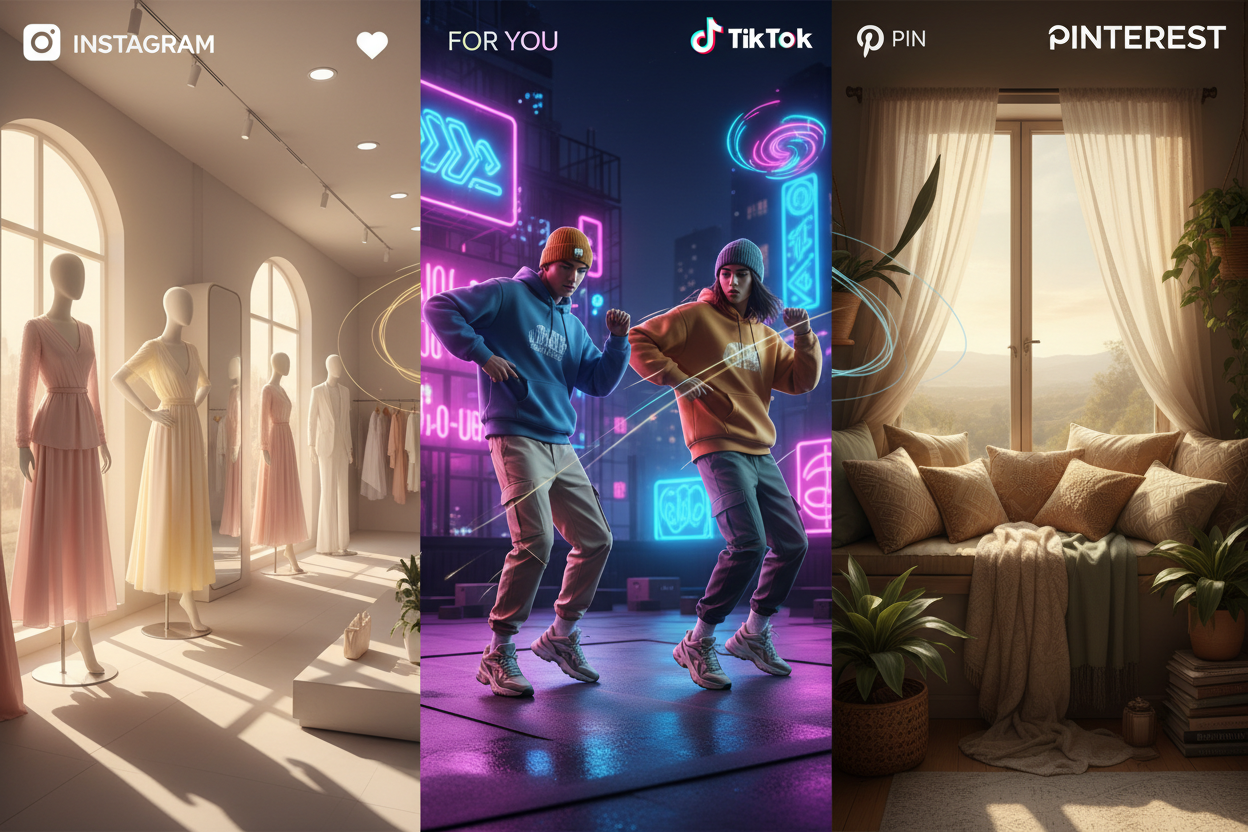
Instagram remains the holy grail for fashion brands, and for good reason. Its visual-first approach makes it perfect for showcasing your latest collections, behind-the-scenes content, and lifestyle imagery. But don’t just post product shots and call it a day. Your followers want to see the story behind your brand. Share your design process, introduce your team, and show how your pieces look in real life.
TikTok has emerged as a game-changer, especially for reaching younger demographics. The platform’s algorithm rewards creativity and authenticity over polished perfection. Fashion brands are finding incredible success with styling videos, trend predictions, and even manufacturing behind-the-scenes content. The key is to feel native to the platform – don’t just repurpose your Instagram content.
Pinterest shouldn’t be overlooked either. It’s where people go to plan their future purchases and get inspired. Create boards that showcase different styling options, seasonal looks, and trend forecasts. This platform has a longer content lifespan than other social networks, making it perfect for evergreen fashion content.
Content Marketing That Converts 📝
Content marketing in fashion goes far beyond product descriptions and basic blog posts. It’s about creating valuable, engaging content that positions your brand as a style authority while naturally showcasing your products.
Start with a fashion blog that covers topics your audience actually cares about. Style guides, trend reports, and how-to articles perform exceptionally well. For instance, instead of just featuring your new summer dress, create a comprehensive guide on “5 Ways to Style Your Summer Dress from Day to Night.” This approach provides value while naturally incorporating your products.
Video content is absolutely essential in today’s fashion marketing landscape. Lookbooks, styling tutorials, and even simple outfit-of-the-day videos can significantly boost engagement. The beauty of video content is that it shows your pieces in motion, helping customers better understand fit, fabric, and styling possibilities.
Don’t forget about seasonal content planning. Fashion is inherently tied to seasons and trends, so your content calendar should reflect this. Start promoting spring collections in late winter, create holiday gift guides well before December, and always stay one season ahead in your content planning.
Influencer Partnerships and Collaborations 🤝
Influencer marketing in fashion has evolved significantly from the early days of simply sending free products to anyone with a decent following. Today’s successful influencer partnerships are strategic, authentic, and mutually beneficial.
Micro-influencers (those with 10,000 to 100,000 followers) often provide better ROI than mega-influencers. Their audiences are typically more engaged and trust their recommendations more. When selecting influencers, look beyond follower count. Consider engagement rates, audience demographics, and most importantly, brand alignment.
The most effective influencer partnerships feel natural and authentic. Instead of rigid posting requirements, give influencers creative freedom to showcase your pieces in their own style. This authenticity resonates much better with audiences than obviously sponsored content.
Long-term partnerships often work better than one-off collaborations. When an influencer consistently wears and promotes your brand over time, it builds genuine credibility and trust with their audience. Consider creating brand ambassador programs for your most effective influencer partners.
Email Marketing for Fashion Brands 💌
Email marketing might seem old-school, but it remains one of the highest ROI marketing channels for fashion brands. The key is making your emails feel personal, valuable, and visually appealing.
Segmentation is crucial in fashion email marketing. Your customers have different style preferences, shopping behaviors, and price points. Create segments based on purchase history, browsing behavior, and stated preferences. A customer who regularly buys formal wear shouldn’t receive the same emails as someone who only shops your casual collection.
Welcome email series are particularly important for fashion brands. New subscribers are highly engaged, so use this opportunity to introduce your brand story, showcase your best-selling pieces, and set expectations for future communications. Include styling tips and size guides to add immediate value.
Abandoned cart emails are essential in fashion e-commerce. Customers often browse multiple items before making decisions, so gentle reminders can significantly boost conversions. Include product images, customer reviews, and perhaps styling suggestions to encourage completion of the purchase.
Search Engine Optimization for Fashion 🔍
SEO for fashion brands requires a unique approach because fashion searches are highly visual and trend-driven. Your SEO strategy should balance evergreen fashion terms with trending keywords.
Focus on long-tail keywords that reflect how people actually search for fashion items. Instead of just targeting “dress,” optimize for “black midi dress for work” or “floral summer dress under $100.” These specific phrases often have less competition and higher conversion rates.
Product page optimization is crucial. Include detailed descriptions with relevant keywords, but write for humans first. Describe the fit, fabric, styling options, and care instructions. These details not only help with SEO but also reduce return rates by setting proper expectations.
Local SEO matters too, especially if you have physical stores. Optimize for “fashion boutique near me” and similar location-based searches. Ensure your Google My Business listing is complete and regularly updated with new collections and store events.
Paid Advertising Strategies 💰
Paid advertising for fashion brands requires a delicate balance between broad reach and targeted precision. The visual nature of fashion makes it perfect for platforms like Instagram, Facebook, and Pinterest ads.
Dynamic product ads are particularly effective for fashion e-commerce. These ads automatically show relevant products to people who have visited your website, browsed specific categories, or abandoned their carts. The personalized nature of these ads typically results in higher click-through and conversion rates.
Lookalike audiences can help you find new customers similar to your best existing ones. Upload your customer email list to create lookalike audiences on Facebook and Instagram. These audiences often perform better than interest-based targeting because they’re based on actual purchasing behavior.
Don’t overlook Google Shopping ads for fashion products. When people search for specific items, your products can appear with images, prices, and reviews right in the search results. This immediate visual impact is crucial for fashion purchases.
Building an Engaging Website Experience 🖥️
Your website is often the final destination in a customer’s journey, so it needs to convert browsers into buyers. Fashion websites have unique requirements that go beyond basic e-commerce functionality.
High-quality product photography is non-negotiable. Customers can’t touch or try on items online, so your photos need to tell the complete story. Include multiple angles, detail shots, and lifestyle images. Consider 360-degree product views for key pieces.
Size guides and fit information are crucial for reducing returns. Include detailed measurements, fit descriptions, and even video guides when possible. Customer reviews that mention fit and sizing are particularly valuable for future shoppers.
Mobile optimization is essential since many fashion purchases now happen on mobile devices. Your mobile site should load quickly, have easy navigation, and provide a seamless checkout experience. Consider implementing mobile-specific features like swipe galleries and one-click purchasing.
User-Generated Content and Community Building 👥
User-generated content (UGC) is particularly powerful for fashion brands because it shows real people wearing your clothes in real situations. This authentic content often converts better than professional photography.
Create branded hashtags and encourage customers to share photos wearing your pieces. Feature the best submissions on your social media and website. This not only provides you with free content but also makes customers feel valued and part of your brand community.
Customer reviews and testimonials are crucial for online fashion sales. Encourage detailed reviews that mention fit, quality, and styling options. Consider implementing a review system that includes photos – seeing how clothes look on real customers is incredibly valuable for potential buyers.
Building a community around your brand creates long-term customer loyalty. Consider creating Facebook groups, hosting virtual styling sessions, or organizing customer events. The goal is to make customers feel like they’re part of something bigger than just a transaction.
Measuring Success and Analytics 📊
Digital marketing success in fashion requires tracking the right metrics. While vanity metrics like followers and likes are nice, focus on metrics that directly impact your business goals.
Conversion rate is crucial – it tells you how effectively your digital efforts turn visitors into customers. Track conversion rates across different channels to understand which marketing efforts provide the best ROI.
Customer lifetime value (CLV) is particularly important for fashion brands because repeat customers typically spend more and cost less to acquire. Focus on strategies that increase CLV, such as email marketing, loyalty programs, and exceptional customer service.
Social media engagement rates matter more than follower counts. High engagement indicates that your content resonates with your audience and builds brand affinity. Track comments, shares, and saves in addition to likes.
Conclusion 🎯
Promoting your fashion brand in the digital age isn’t just about being present online – it’s about creating meaningful connections with your audience across multiple touchpoints. The most successful fashion brands today understand that digital marketing is about storytelling, community building, and providing genuine value to customers.
The key to success lies in consistency, authenticity, and adaptation. The digital landscape changes rapidly, and what works today might not work tomorrow. Stay curious, keep testing new approaches, and always listen to your customers’ feedback.
Remember, building a strong digital presence takes time. Don’t expect overnight success, but do expect to see gradual improvements in brand awareness, customer engagement, and sales as you implement these strategies consistently.
Start with the strategies that align best with your current resources and goals. Whether that’s improving your Instagram content, launching an email marketing campaign, or optimizing your website for search engines, the important thing is to start somewhere and build momentum from there.
Frequently Asked Questions ❓
How much should I budget for digital marketing as a fashion brand?
Most fashion brands should allocate 15-25% of their revenue to marketing, with 60-70% of that going to digital channels. Start-ups might need to invest a higher percentage initially to build brand awareness.
Which social media platform should I prioritize for my fashion brand?
Instagram is typically the most important platform for fashion brands due to its visual nature. However, your target demographic should guide your decision. TikTok is essential for reaching Gen Z, while Pinterest works well for lifestyle and home fashion brands.
How often should I post on social media?
Quality trumps quantity, but consistency is key. Aim for daily Instagram posts, 3-5 TikTok videos per week, and regular Pinterest pins. Focus on maintaining a consistent posting schedule rather than posting sporadically.
What’s the best way to work with influencers on a limited budget?
Start with micro-influencers who align with your brand values. Consider product gifting partnerships, affiliate programs, or revenue-sharing arrangements instead of flat fees. Long-term partnerships often provide better value than one-off collaborations.
How do I measure the ROI of my digital marketing efforts?
Track metrics like conversion rates, customer acquisition costs, and customer lifetime value. Use UTM parameters to track traffic sources and set up proper analytics to understand which channels drive the most valuable customers.
Should I hire a digital marketing agency or build an in-house team?
This depends on your budget and growth stage. Agencies provide expertise and scalability, while in-house teams offer better brand knowledge and consistency. Many growing fashion brands start with agencies and gradually build internal capabilities.


