

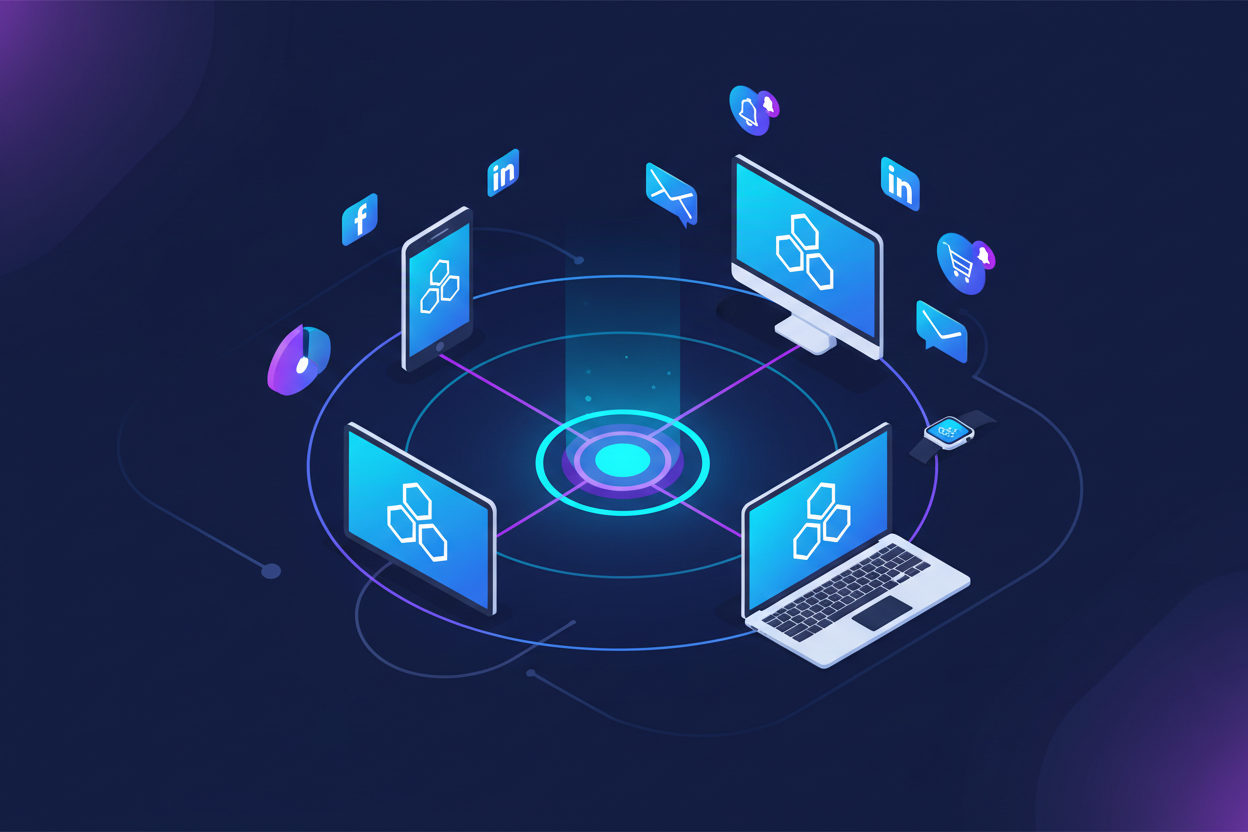
Omnichannel Marketing: Consistent Promotion Across All Platforms 🚀
Table of Contents
• What is Omnichannel Marketing?
• Why Consistency Matters in Modern Marketing
• Key Components of Successful Omnichannel Strategy
• Building Your Omnichannel Marketing Framework
• Common Challenges and How to Overcome Them
• Measuring Omnichannel Marketing Success
• Real-World Examples of Omnichannel Excellence
• Future Trends in Omnichannel Marketing
• Frequently Asked Questions
Picture this: You’re scrolling through Instagram and see an ad for those sneakers you’ve been eyeing. Later, you receive an email with a discount code for the same shoes. The next day, you walk into the store and the sales associate already knows about your online interest. This seamless experience? That’s omnichannel marketing at its finest! 👟
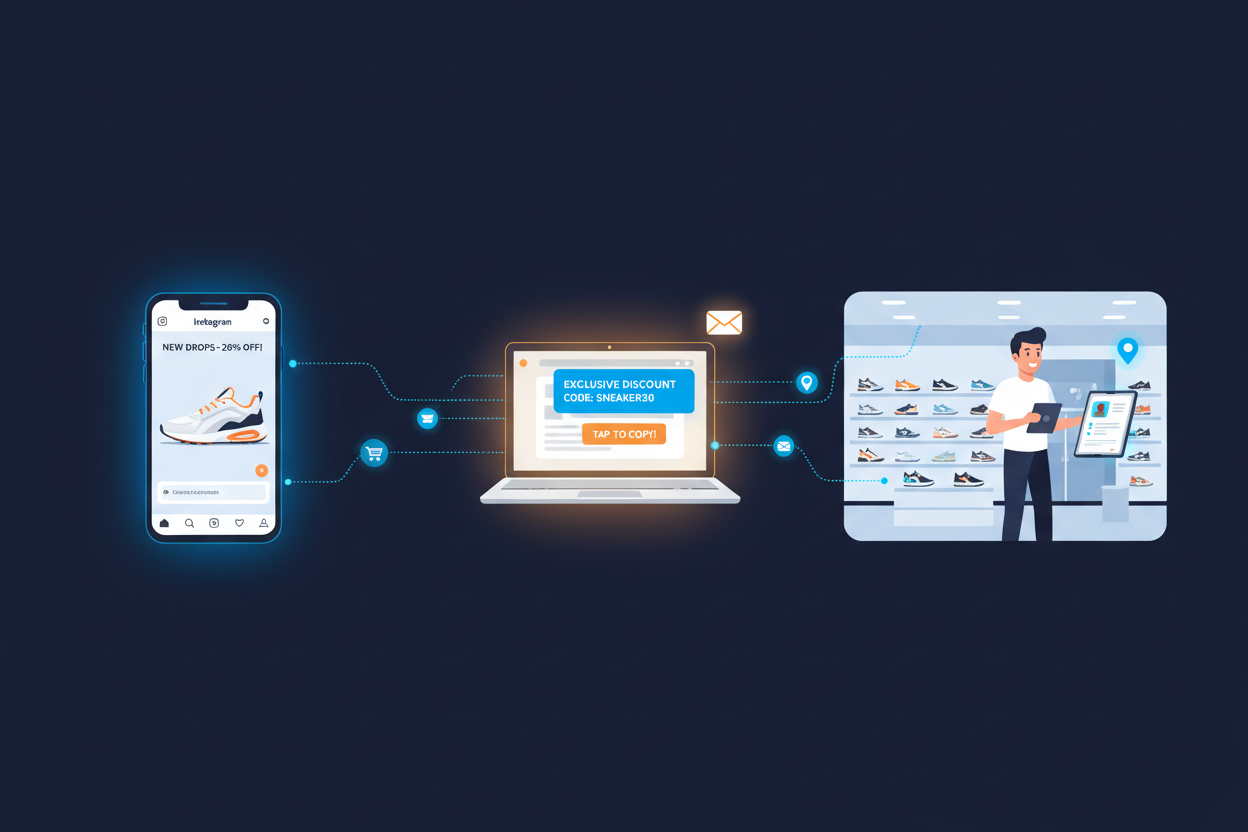
In today’s hyper-connected world, customers don’t think in channels – they think in experiences. They expect brands to recognize them whether they’re shopping on mobile, desktop, in-store, or through social media. This expectation has made omnichannel marketing not just a nice-to-have, but an absolute necessity for businesses wanting to thrive in the competitive marketplace.
What is Omnichannel Marketing? 🤔
Omnichannel marketing is a strategic approach that creates integrated, consistent customer experiences across all touchpoints and channels. Unlike multichannel marketing, which simply uses multiple platforms, omnichannel marketing ensures these platforms work together harmoniously to create one unified brand experience.
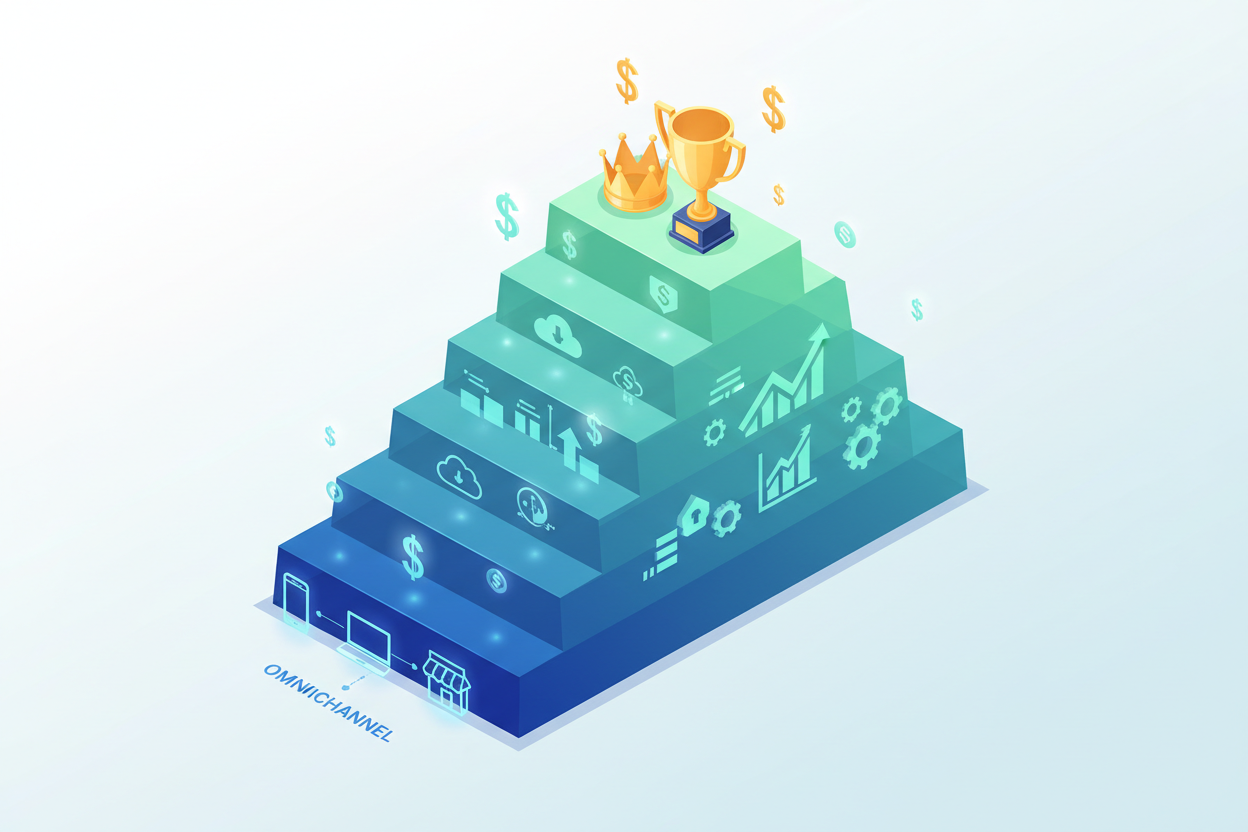
Think of it as conducting an orchestra. Each instrument (channel) plays its part, but they’re all following the same sheet music (brand strategy) to create beautiful harmony (customer experience). When done right, customers can seamlessly transition between channels without feeling like they’re starting over each time.
The key difference lies in integration. While multichannel marketing might have your brand present on social media, email, and in-store, omnichannel marketing ensures that a customer’s journey across these platforms feels connected and personalized. Your Instagram story complements your email campaign, which aligns with your in-store promotion – all telling the same brand story.
Why Consistency Matters in Modern Marketing 💡
Consistency isn’t just about using the same logo everywhere (though that’s important too!). It’s about creating trust, building brand recognition, and meeting customer expectations in our increasingly fragmented digital landscape.
Research shows that consistent brand presentation across all platforms can increase revenue by up to 23%. But beyond the numbers, consistency builds emotional connections. When customers know what to expect from your brand, regardless of where they encounter it, they develop confidence and loyalty.
Consider how jarring it feels when a brand’s website looks completely different from their social media presence, or when their customer service tone doesn’t match their marketing voice. These inconsistencies create friction and can damage the customer relationship before it even begins.
Modern consumers are also incredibly savvy. They research across multiple channels before making purchase decisions, and they notice when messages don’t align. A consistent omnichannel approach respects their intelligence and provides the cohesive information they need to make confident buying decisions.
Key Components of Successful Omnichannel Strategy 🔧
Building an effective omnichannel marketing strategy requires several essential components working together like pieces of a well-oiled machine.
Unified Brand Messaging: Your core brand message should remain consistent while being adapted appropriately for each platform. The tone, values, and key benefits should shine through whether someone encounters your brand on TikTok or in your email newsletter.
Integrated Customer Data: This is the backbone of omnichannel success. Customer data from all touchpoints should flow into a centralized system, creating comprehensive customer profiles that inform personalized experiences across channels.
Cross-Channel Content Strategy: Content should complement and reinforce messages across platforms rather than competing with them. Your blog post might dive deep into a topic that your social media teases and your email newsletter summarizes.
Seamless Technology Integration: Your marketing technology stack should enable, not hinder, cross-channel experiences. CRM systems, marketing automation platforms, and analytics tools should communicate effectively with each other.
Consistent Visual Identity: From color schemes to typography, visual elements should create immediate brand recognition across all channels while being optimized for each platform’s specific requirements.
Building Your Omnichannel Marketing Framework 🏗️
Creating an omnichannel marketing strategy might seem overwhelming, but breaking it down into manageable steps makes the process much more approachable.
Start with Customer Journey Mapping: Understanding how your customers actually interact with your brand is crucial. Map out every touchpoint, from initial awareness through post-purchase support. This exercise often reveals gaps and opportunities you might not have considered.
Audit Your Current Channels: Take an honest look at your existing marketing efforts. Are your messages consistent? Do your channels complement each other? Where are the disconnects? This audit provides your baseline for improvement.
Develop Channel-Specific Strategies: While maintaining consistency, each channel has unique characteristics and audience expectations. Your LinkedIn strategy will differ from your Instagram approach, but both should ladder up to your overall brand objectives.
Implement Tracking and Analytics: You can’t optimize what you don’t measure. Set up comprehensive tracking to understand how customers move between channels and which touchpoints drive the most valuable actions.
Create Content Guidelines: Develop clear guidelines that ensure consistency while allowing for platform-specific optimization. This might include tone of voice guides, visual style standards, and messaging frameworks.
Common Challenges and How to Overcome Them ⚠️
Even with the best intentions, omnichannel marketing comes with its fair share of challenges. The good news? Most of these obstacles have proven solutions.
Data Silos: Perhaps the biggest challenge is breaking down data silos between departments and platforms. The solution often involves investing in integrated technology solutions and fostering better communication between teams. Sometimes it’s as simple as regular cross-departmental meetings to share insights.
Resource Allocation: Managing multiple channels requires significant resources. The key is prioritizing channels based on where your audience is most active and engaged, rather than trying to be everywhere at once. Quality over quantity always wins.
Maintaining Consistency at Scale: As your omnichannel efforts grow, maintaining consistency becomes more complex. Detailed brand guidelines, regular team training, and approval processes help ensure standards are maintained even as you scale.
Technology Integration Issues: Different platforms don’t always play nicely together. Working with experienced developers or choosing platforms known for their integration capabilities can save significant headaches down the road.
Measuring Omnichannel Marketing Success 📊
Measuring omnichannel success requires looking beyond traditional single-channel metrics to understand the complete customer journey and cross-channel impact.
Customer Lifetime Value (CLV): This metric helps you understand the long-term impact of your omnichannel efforts. Customers who engage across multiple channels typically have higher CLV than single-channel customers.
Cross-Channel Attribution: Understanding which channels contribute to conversions helps optimize your channel mix and budget allocation. This often requires more sophisticated analytics tools but provides invaluable insights.
Customer Satisfaction and Net Promoter Score: These metrics help gauge whether your omnichannel efforts are actually improving the customer experience or just adding complexity.
Channel Synergy Metrics: Look for evidence that channels are working together effectively. Do email subscribers engage more on social media? Do social media followers have higher website conversion rates?
Real-World Examples of Omnichannel Excellence 🌟
Some brands have truly mastered the art of omnichannel marketing, creating seamless experiences that feel almost magical to customers.
Starbucks: Their mobile app integrates perfectly with in-store experiences, allowing customers to order ahead, earn rewards, and receive personalized offers. The experience feels consistent whether you’re using the app, visiting a store, or engaging on social media.
Sephora: Their Beauty Insider program works seamlessly across online and offline channels. Customers can try virtual makeup online, save favorites, and have beauty advisors in-store access their preferences and purchase history.
Disney: From planning a trip on their website to using the MagicBand in parks, Disney creates integrated experiences that make customers feel like VIPs throughout their entire journey.
These examples show that successful omnichannel marketing isn’t about having the most channels – it’s about making those channels work together to create something greater than the sum of their parts.
Future Trends in Omnichannel Marketing 🔮
The omnichannel landscape continues evolving rapidly, driven by new technologies and changing customer expectations.
AI and Machine Learning: These technologies are making it easier to personalize experiences at scale and predict customer behavior across channels. Chatbots that remember previous conversations, regardless of platform, are becoming the norm.
Voice and Conversational Commerce: As voice assistants become more sophisticated, brands are finding ways to integrate voice interactions into their omnichannel strategies. Imagine asking Alexa about your recent order and having it pull up the same information available on the website or app.
Augmented Reality Integration: AR is bridging the gap between online and offline experiences, allowing customers to virtually try products at home that they can then purchase in-store or online.
Predictive Personalization: Advanced analytics are enabling brands to anticipate customer needs and proactively provide relevant experiences across channels before customers even realize they want something.
The future of omnichannel marketing lies in creating experiences so seamless and intuitive that customers don’t even notice the technology – they just enjoy the perfect brand interaction.
Conclusion
Omnichannel marketing isn’t just a buzzword – it’s the new reality of customer expectations. In a world where customers seamlessly move between digital and physical touchpoints, brands that can create consistent, integrated experiences will build stronger relationships and drive better business results.
The key to success lies in starting with your customers’ needs and working backward to create the technology and processes that support those experiences. Remember, omnichannel marketing is a journey, not a destination. Start small, measure everything, and continuously optimize based on what you learn.
As you embark on or refine your omnichannel marketing strategy, keep the human element at the center. Technology enables great experiences, but it’s the human touch – the understanding of customer needs and the commitment to serving them consistently – that creates truly memorable brand interactions. 🎯
Frequently Asked Questions
What’s the difference between multichannel and omnichannel marketing?
Multichannel marketing uses multiple platforms to reach customers, while omnichannel marketing integrates those platforms to create seamless, connected experiences. Think of multichannel as having multiple separate conversations with customers, while omnichannel is having one continuous conversation across different mediums.
How much does it cost to implement omnichannel marketing?
Costs vary significantly based on your current setup and goals. You can start with basic integration efforts using existing tools and gradually invest in more sophisticated technology. Many successful omnichannel strategies begin with process improvements rather than expensive technology purchases.
Which channels should I prioritize for omnichannel marketing?
Focus on channels where your target audience is most active and engaged. Start with 2-3 key channels and perfect the integration before expanding. Quality and consistency matter more than quantity.
How long does it take to see results from omnichannel marketing?
Initial improvements in customer experience can be seen within weeks of implementing basic consistency measures. However, significant business impact typically takes 3-6 months as customer behavior patterns adjust and data accumulates for optimization.
Can small businesses implement omnichannel marketing effectively?
Absolutely! Small businesses often have advantages in omnichannel marketing because they can implement changes quickly and maintain closer customer relationships. Start with consistent messaging and gradually add integration elements as you grow.


