

How to Promote Your Fitness Business and Attract Members: A Complete Guide for Gym Owners 💪
Table of Contents
1. Introduction
2. Understanding Your Target Audience
3. Building a Strong Online Presence
4. Leveraging Social Media Marketing
5. Creating Compelling Content Marketing
6. Implementing Local Marketing Strategies
7. Offering Irresistible Promotions and Incentives
8. Building Strategic Partnerships
9. Focusing on Member Retention
10. Measuring Your Marketing Success
11. Conclusion
12. Frequently Asked Questions
Introduction
Running a fitness business in today’s competitive market feels like swimming upstream sometimes, doesn’t it? 🏊♀️ With new gyms, studios, and fitness centers popping up seemingly everywhere, attracting and retaining members has become more challenging than ever. But here’s the thing – the fitness industry is also experiencing unprecedented growth, with more people prioritizing their health and wellness than ever before.
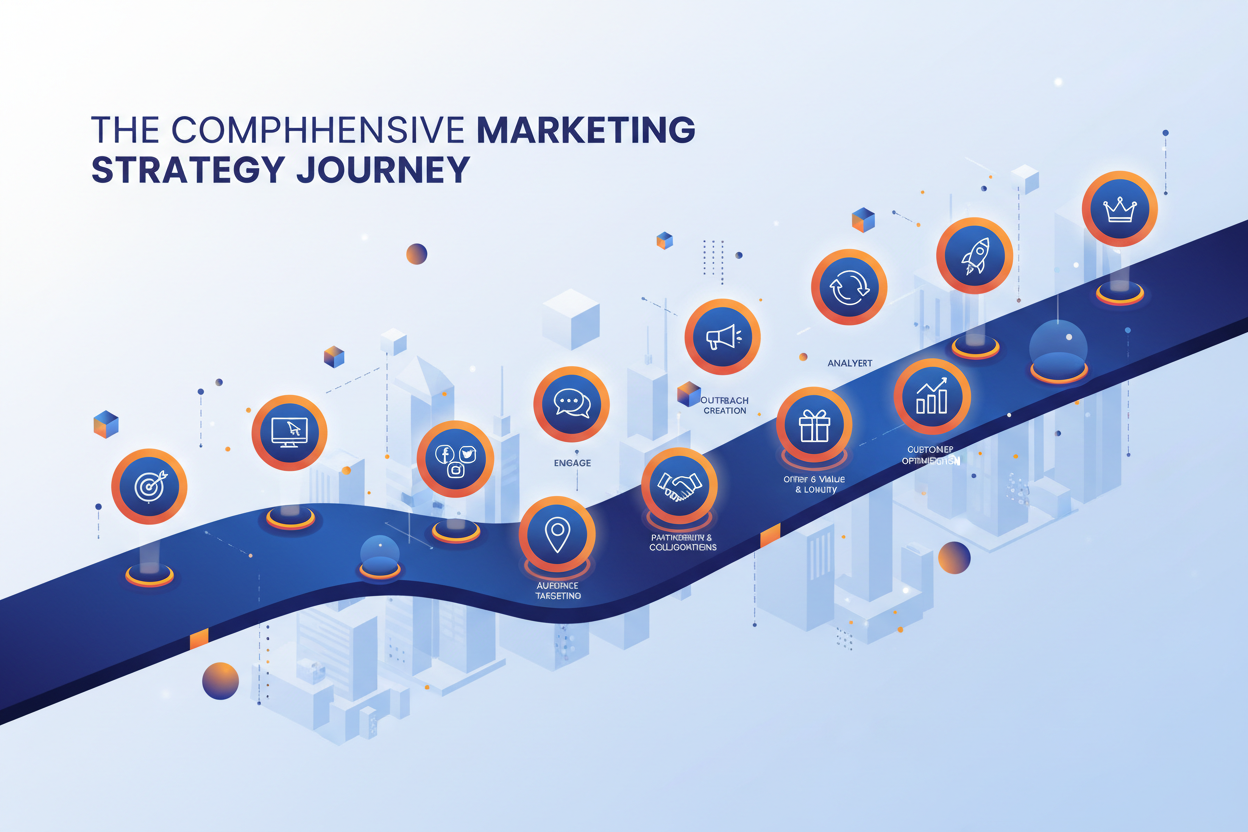
Whether you’re launching a brand-new gym, running a boutique fitness studio, or managing a personal training business, the key to success lies in effective promotion and member attraction strategies. This comprehensive guide will walk you through proven methods to promote your fitness business, build a loyal community, and create sustainable growth that lasts.
From digital marketing tactics that actually work to old-school community engagement strategies, we’ll cover everything you need to know to fill your gym floor with motivated members who love what you offer.
Understanding Your Target Audience 🎯
Before diving into promotional strategies, you absolutely must understand who you’re trying to reach. Your target audience isn’t just “people who want to get fit” – that’s way too broad and won’t help you create effective marketing campaigns.
Start by creating detailed member personas. Are you targeting busy professionals who need quick, efficient workouts? Stay-at-home parents looking for stress relief and social connection? College students on a budget? Senior citizens focused on maintaining mobility and independence? Each group has different motivations, pain points, and preferred communication channels.
Consider conducting surveys with your existing members or hosting focus groups in your community. Ask questions like: What initially motivated them to join a gym? What obstacles do they face in maintaining their fitness routine? What would make them choose one fitness facility over another?
Understanding demographics is just the beginning. Dive deeper into psychographics – their values, interests, lifestyle choices, and fitness goals. A 35-year-old lawyer and a 35-year-old teacher might have completely different approaches to fitness, even though they’re the same age and income bracket.
Building a Strong Online Presence 🌐
In 2024, your online presence often serves as the first impression potential members have of your fitness business. If someone can’t find you online or your digital presence looks outdated, they’ll likely move on to a competitor before ever stepping foot in your facility.
Your website should be mobile-responsive, load quickly, and provide all the essential information visitors need: class schedules, membership pricing, facility photos, trainer bios, and contact information. But don’t stop at the basics – include member testimonials, virtual tours, and clear calls-to-action that make it easy for visitors to take the next step.
Search engine optimization (SEO) plays a crucial role in helping potential members find you online. Focus on local SEO by claiming and optimizing your Google My Business listing, encouraging customer reviews, and creating location-specific content. Use keywords that your target audience actually searches for, like “personal training near me,” “yoga classes [your city],” or “24-hour gym [your neighborhood].”
Don’t forget about online booking systems and member management software. Today’s consumers expect convenience – they want to book classes, check schedules, and manage their memberships online without having to call during business hours.
Leveraging Social Media Marketing 📱
Social media isn’t just about posting gym selfies and motivational quotes (though those have their place too!). It’s about building a community, showcasing your unique personality, and providing value to both current and potential members.
Instagram works particularly well for fitness businesses because it’s visual-first. Share behind-the-scenes content, member transformation stories, workout demonstrations, and day-in-the-life posts from your trainers. Use relevant hashtags, but focus on creating genuine engagement rather than just chasing follower counts.
Facebook remains powerful for local businesses, especially for sharing longer-form content, hosting live workout sessions, and building community groups. Consider creating a private Facebook group for members where they can share achievements, ask questions, and support each other’s fitness journeys.
TikTok and YouTube offer excellent opportunities for sharing workout tutorials, nutrition tips, and fitness challenges. These platforms can help establish your trainers as experts while attracting younger demographics who might not find you through traditional marketing channels.
Remember, consistency beats perfection on social media. It’s better to post regularly with authentic, helpful content than to post sporadically with highly polished but impersonal content.
Creating Compelling Content Marketing ✍️
Content marketing allows you to demonstrate expertise, build trust, and provide value before asking for anything in return. This approach works particularly well in the fitness industry because people are hungry for reliable health and wellness information.
Start a blog on your website covering topics your target audience cares about. If you serve busy professionals, write about quick desk exercises, healthy meal prep for hectic schedules, or stress-reduction techniques. For parents, focus on family-friendly activities, postpartum fitness, or finding time for self-care.
Create downloadable resources like workout guides, meal planning templates, or fitness challenge calendars. These lead magnets can help you build an email list while providing immediate value to potential members.
Video content performs exceptionally well in the fitness space. Consider creating workout tutorials, nutrition tips, member spotlight features, or “day in the life” content showcasing your facility and team. You don’t need expensive equipment – smartphone videos with good lighting and clear audio often perform just as well as professionally produced content.
Email marketing remains one of the highest-ROI marketing channels available. Send regular newsletters with workout tips, healthy recipes, member achievements, and facility updates. Segment your email list based on member interests and engagement levels to ensure you’re sending relevant content to each group.
Implementing Local Marketing Strategies 🏘️
While digital marketing gets a lot of attention, don’t overlook the power of local, community-based marketing strategies. Fitness is inherently personal and social, making local connections incredibly valuable for building trust and attracting members.
Partner with local businesses to cross-promote services. Offer corporate wellness programs to nearby offices, partner with healthcare providers for referral programs, or collaborate with local restaurants to promote healthy eating options.
Participate in community events like health fairs, charity runs, or local festivals. Set up a booth, offer free fitness assessments, or sponsor a team. These activities increase brand visibility while demonstrating your commitment to community health and wellness.
Consider hosting free outdoor workout sessions in local parks or organizing charity fitness events. These activities showcase your training style, allow potential members to experience your services risk-free, and generate positive word-of-mouth marketing.
Build relationships with complementary businesses like physical therapy clinics, nutrition counselors, or wellness spas. These partnerships can lead to valuable referrals from professionals who share your commitment to helping people improve their health.
Offering Irresistible Promotions and Incentives 🎁
Strategic promotions can help overcome the initial barrier to joining a gym while attracting new members during slower periods. However, the key word here is “strategic” – random discounting can devalue your services and attract bargain hunters who won’t stick around long-term.
New member specials work well, but make them time-limited and tied to specific value propositions. Instead of just offering “50% off first month,” try “New Member Success Package: First month 50% off plus complimentary fitness assessment and personalized workout plan.”
Referral programs tap into the power of word-of-mouth marketing while rewarding your best members. Offer meaningful incentives for successful referrals – perhaps a free month of membership, personal training sessions, or exclusive merchandise.
Seasonal promotions align with natural motivation cycles. January “New Year, New You” campaigns, spring “beach body” challenges, or fall “back to routine” specials can capitalize on times when people are already thinking about fitness goals.
Consider offering trial periods or day passes that allow potential members to experience your facility and community before committing to a full membership. This approach works particularly well for boutique studios or specialized fitness programs where the experience is a key differentiator.
Building Strategic Partnerships 🤝
Strategic partnerships can exponentially expand your reach while providing additional value to your members. The key is finding partners whose audiences overlap with yours but who aren’t direct competitors.
Healthcare partnerships work particularly well for fitness businesses. Physical therapists, chiropractors, and doctors often need to refer patients to appropriate exercise programs. Build relationships with these professionals by offering educational workshops, facility tours, or special programs designed for their patients.
Corporate wellness partnerships can provide a steady stream of members while helping local businesses improve employee health and productivity. Develop packages that include group memberships, on-site fitness classes, or lunch-and-learn sessions about workplace wellness.
Consider partnering with local schools, youth sports teams, or senior centers to offer specialized programs. These partnerships often lead to family memberships and help establish your business as a community wellness resource.
Technology partnerships can also be valuable. Work with fitness app developers, wearable device companies, or nutrition platforms to offer integrated services that enhance the member experience while attracting tech-savvy fitness enthusiasts.
Focusing on Member Retention 🔄
While attracting new members is important, retaining existing members is often more cost-effective and profitable. Happy, long-term members also become your best marketing assets through word-of-mouth recommendations and social media advocacy.
Create a strong onboarding process that helps new members feel welcome, confident, and successful from day one. This might include orientation sessions, goal-setting consultations, or buddy programs that pair new members with experienced ones.
Regular check-ins and progress tracking help members stay motivated while demonstrating the value of their membership. Use fitness assessments, body composition analysis, or simple progress photos to show tangible results over time.
Build community through member events, challenges, and social activities. People often stay at gyms not just for the equipment, but for the relationships and sense of belonging they develop there.
Address member concerns quickly and professionally. Implement feedback systems that allow members to voice concerns or suggestions, and follow up to show you’re listening and making improvements based on their input.
Measuring Your Marketing Success 📊
Effective marketing requires ongoing measurement and adjustment. Without tracking your results, you’re essentially throwing darts in the dark and hoping something sticks.
Track key performance indicators (KPIs) that align with your business goals. These might include website traffic, social media engagement, lead generation, conversion rates, member retention rates, and lifetime customer value.
Use tools like Google Analytics to understand how people find and interact with your website. Social media platforms provide detailed analytics about post performance, audience demographics, and engagement patterns.
Implement tracking systems for offline marketing efforts too. Use unique promo codes for print advertisements, ask new members how they heard about you, and track attendance at community events or free trial sessions.
Regular analysis of your marketing data helps identify what’s working, what isn’t, and where to focus your efforts and budget for maximum return on investment.
Conclusion
Promoting your fitness business and attracting members requires a multi-faceted approach that combines digital marketing savvy with genuine community engagement. Success doesn’t happen overnight, but with consistent effort and strategic thinking, you can build a thriving fitness business that makes a real difference in people’s lives.
Remember that the fitness industry is ultimately about helping people achieve their health and wellness goals. When your marketing efforts authentically reflect this mission and provide genuine value to your community, member attraction and retention become natural byproducts of your commitment to service.
Start with understanding your target audience deeply, build a strong foundation with your online presence and community relationships, and then experiment with different promotional strategies to see what resonates best with your specific market. Stay consistent, measure your results, and don’t be afraid to adjust your approach based on what you learn along the way.
The fitness industry needs passionate, dedicated business owners who care about making a positive impact. With the right promotional strategies and genuine commitment to member success, your fitness business can become a cornerstone of health and wellness in your community. 🌟
Frequently Asked Questions
How much should I budget for marketing my fitness business?
Most fitness businesses should allocate 3-7% of their gross revenue to marketing efforts. New businesses or those in highly competitive markets may need to invest 10-15% initially. Focus on high-ROI activities like referral programs and local partnerships when budget is limited.
What’s the best social media platform for fitness businesses?
Instagram typically performs best for fitness businesses due to its visual nature, but the “best” platform depends on your target audience. Facebook works well for community building and local marketing, while TikTok and YouTube are excellent for reaching younger demographics with video content.
How long does it take to see results from fitness business marketing?
Digital marketing efforts like social media and content marketing typically show initial results within 3-6 months, while SEO and brand building can take 6-12 months or longer. Local marketing and referral programs often produce faster results, sometimes within weeks.
Should I offer free trials or discounted memberships?
Free trials can be effective for boutique studios or specialized programs where experience is a key differentiator. However, focus on attracting quality prospects rather than bargain hunters. Consider offering value-added packages rather than simple discounts.
How important are online reviews for fitness businesses?
Online reviews are extremely important for fitness businesses, as people often research gyms and studios before visiting. Actively encourage satisfied members to leave reviews and respond professionally to all feedback, both positive and negative.
What’s the most effective way to retain gym members?
Strong onboarding, regular progress tracking, community building, and excellent customer service are the most effective retention strategies. Focus on helping members achieve their goals and creating a sense of belonging within your fitness community.


