

Traffic Attribution: Understanding Your Customer Journey 🚀
Table of Contents
1. What is Traffic Attribution and Why Does it Matter?
2. The Evolution of Customer Journey Mapping
3. Types of Attribution Models You Need to Know
4. Common Traffic Attribution Challenges
5. Best Practices for Implementing Traffic Attribution
6. Tools and Technologies for Better Attribution
7. Measuring Success: Key Metrics and KPIs
8. Future Trends in Traffic Attribution
9. Frequently Asked Questions
Have you ever wondered which marketing channel deserves credit for that last conversion? 🤔 You’re not alone. In today’s complex digital landscape, customers don’t simply see an ad and make a purchase. They research, compare, abandon carts, return through different channels, and eventually convert – sometimes weeks or months later.
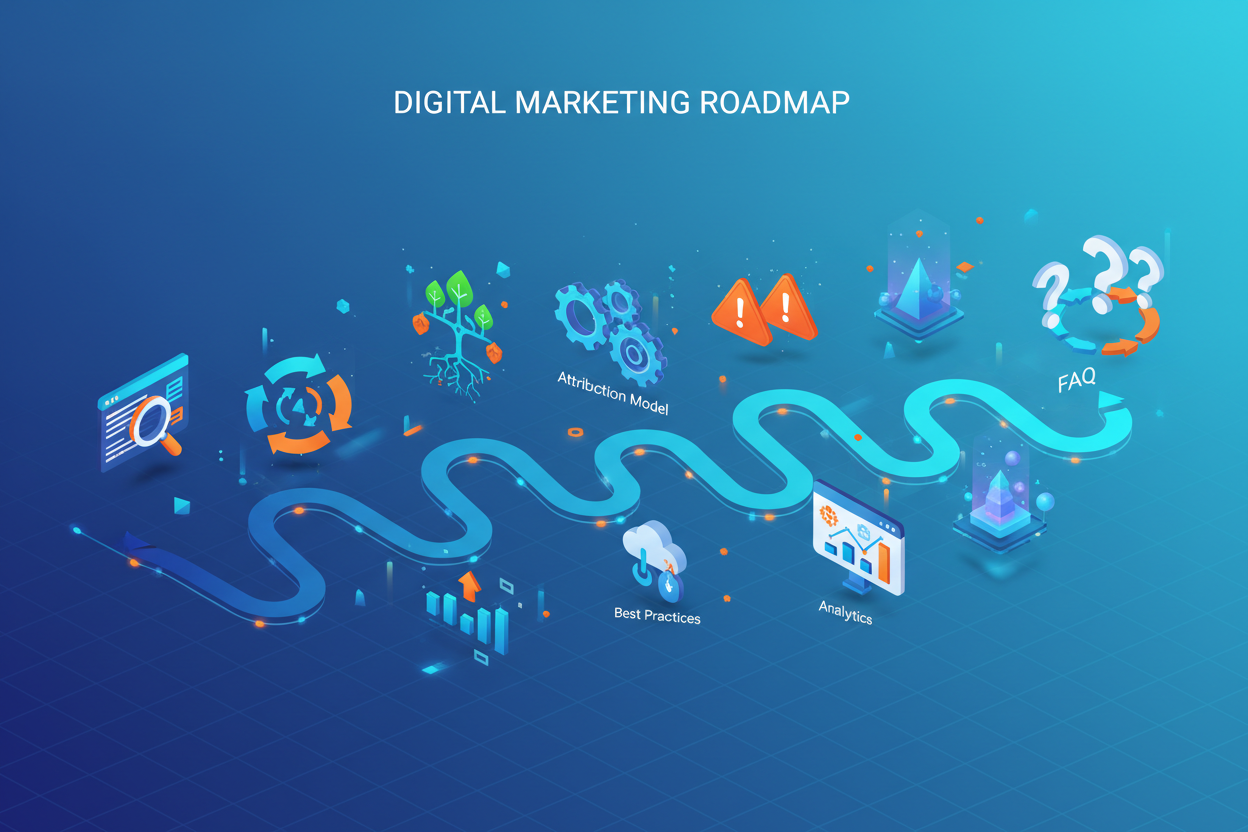
Understanding this intricate dance between touchpoints and conversions is what traffic attribution is all about. It’s the art and science of connecting the dots in your customer’s journey, helping you make smarter marketing decisions and allocate your budget where it truly matters.
Whether you’re a seasoned marketer or just starting to dive into analytics, this comprehensive guide will walk you through everything you need to know about traffic attribution and how it can transform your understanding of customer behavior.
What is Traffic Attribution and Why Does it Matter? 📊
Traffic attribution is the process of identifying and assigning credit to the various marketing touchpoints that contribute to a conversion or desired action. Think of it as detective work – you’re piecing together clues to understand which channels, campaigns, and interactions influenced your customer’s decision to buy, sign up, or engage with your brand.
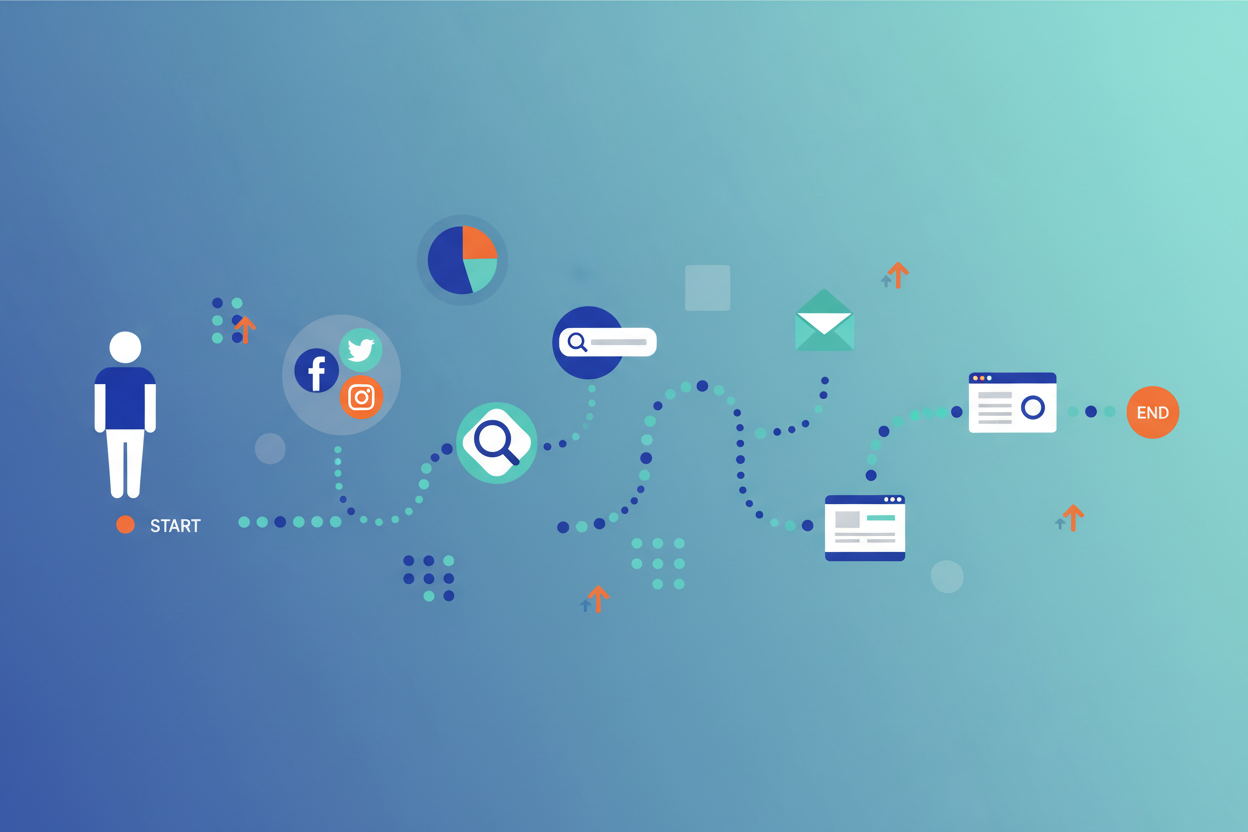
But here’s the thing: attribution isn’t just about giving credit where it’s due. It’s about understanding the complete story of your customer’s journey. When Sarah first discovers your brand through a Facebook ad, then researches your products via Google search, reads reviews, abandons her cart, receives an email reminder, and finally converts through a direct visit – which channel gets the credit?
The answer depends on your attribution model, and getting it right can mean the difference between throwing money at ineffective channels and investing in the touchpoints that truly drive results. Studies show that businesses using proper attribution models see an average 15-30% improvement in marketing ROI within the first year of implementation.
The Evolution of Customer Journey Mapping 🗺️
Remember when marketing was simpler? A customer would see a TV commercial, visit a store, and make a purchase. Those days are long gone. Today’s customer journey resembles a complex web rather than a straight line.
The modern customer journey typically involves multiple devices, channels, and timeframes. Your potential customer might start their journey on mobile during their morning commute, continue research on desktop at work, discuss options with friends on social media, and finally convert on tablet while relaxing at home – all spread across several days or weeks.
This evolution has made traditional “last-click” attribution models increasingly inadequate. Imagine giving all the credit for a goal to the player who made the final pass, ignoring the brilliant plays that set up the opportunity. That’s essentially what last-click attribution does to your marketing efforts.
Smart marketers now recognize that every touchpoint plays a role in the conversion story. The awareness-stage blog post, the consideration-phase comparison guide, and the decision-stage retargeting ad all contribute to the final outcome. Understanding this multi-touch reality is crucial for optimizing your marketing mix.
Types of Attribution Models You Need to Know 🎯
Choosing the right attribution model is like selecting the right lens for a camera – it determines what you see and how clearly you see it. Let’s explore the most common attribution models and when to use each one.
First-Touch Attribution gives all credit to the first interaction a customer has with your brand. This model is excellent for understanding which channels are best at generating initial awareness and attracting new prospects. If you’re focused on top-of-funnel optimization and want to identify your best awareness-driving channels, first-touch attribution provides valuable insights.
Last-Touch Attribution assigns all credit to the final touchpoint before conversion. While this model has limitations, it’s still useful for understanding which channels are most effective at closing deals. E-commerce businesses often use this model to optimize their bottom-funnel strategies.
Linear Attribution distributes credit equally across all touchpoints in the customer journey. This democratic approach ensures no channel is overlooked, making it ideal for businesses that want a balanced view of their marketing ecosystem. However, it might not reflect the true influence of each touchpoint.
Time-Decay Attribution gives more credit to touchpoints closer to the conversion event. This model recognizes that recent interactions often have more influence on purchase decisions, making it particularly effective for businesses with shorter sales cycles or impulse-driven purchases.
Position-Based Attribution (also called U-shaped) assigns higher credit to the first and last touchpoints while distributing remaining credit among middle interactions. This model acknowledges the importance of both awareness generation and conversion assistance.
Common Traffic Attribution Challenges 🚧
Let’s be honest – traffic attribution isn’t always straightforward. Even with the best tools and intentions, you’ll likely encounter several challenges that can skew your data and lead to misguided decisions.
Cross-Device Tracking remains one of the biggest hurdles in attribution. When customers switch between devices, traditional tracking methods often treat them as separate users. This fragmentation can lead to significant underreporting of multi-touch journeys and overemphasis on single-device conversions.
Privacy Regulations and Cookie Restrictions have made attribution more complex than ever. With GDPR, CCPA, and the phasing out of third-party cookies, marketers must find new ways to track customer journeys while respecting privacy preferences. iOS 14.5’s App Tracking Transparency update alone disrupted attribution for millions of businesses.
Dark Social Traffic – visits from private messages, emails, and other untrackable sources – often appears as direct traffic in your analytics. This misattribution can lead to undervaluing your content marketing and social media efforts while overestimating the power of direct visits.
Offline-to-Online Attribution presents another challenge. When someone sees your billboard, hears your radio ad, or receives a direct mail piece and later converts online, connecting those dots requires sophisticated tracking mechanisms that many businesses lack.
The key to overcoming these challenges is acknowledging their existence and implementing multiple tracking methods to create a more complete picture of your customer journey.
Best Practices for Implementing Traffic Attribution 💡
Successfully implementing traffic attribution requires more than just turning on tracking codes. It demands a strategic approach that aligns with your business goals and customer behavior patterns.
Start with Clear Objectives before diving into attribution models. Are you trying to optimize for awareness, consideration, or conversion? Different goals require different attribution approaches. A B2B company with a long sales cycle might benefit from first-touch attribution to optimize lead generation, while an e-commerce store might prefer time-decay attribution for purchase optimization.
Implement Comprehensive Tracking across all channels and touchpoints. This includes UTM parameters for all campaigns, proper Google Analytics setup, conversion tracking pixels, and phone call tracking for businesses that receive calls. Remember, you can’t attribute what you can’t track.
Use Multiple Attribution Models to get a complete picture. Don’t rely on a single model – compare insights from different approaches to understand the full story. Many analytics platforms allow you to view the same data through multiple attribution lenses.
Regular Data Auditing is crucial for maintaining attribution accuracy. Set up monthly reviews to check for tracking issues, validate conversion data, and ensure all channels are properly tagged. A single misconfigured campaign can throw off your entire attribution analysis.
Test and Iterate your attribution approach based on business results. If your attribution model suggests increasing spend on a particular channel, monitor the actual impact on conversions and revenue. Attribution models should guide decisions, not replace business judgment.
Tools and Technologies for Better Attribution 🛠️
The right tools can make the difference between struggling with attribution and mastering it. Here’s a breakdown of the most effective attribution technologies available today.
Google Analytics 4 offers improved cross-device tracking and machine learning-powered attribution modeling. Its data-driven attribution automatically assigns credit based on how each touchpoint contributes to conversions, making it an excellent starting point for most businesses.
Facebook Attribution (now part of Facebook Analytics) provides insights into how Facebook and Instagram ads work together with other channels. While Facebook-centric, it offers valuable cross-channel insights for businesses heavily invested in social media marketing.
Adobe Analytics delivers enterprise-level attribution capabilities with advanced segmentation and real-time reporting. Its algorithmic attribution models can handle complex B2B journeys and provide detailed path analysis.
Specialized Attribution Platforms like Bizible (now Marketo Measure), Attribution, and Singular offer advanced multi-touch attribution specifically designed for complex customer journeys. These tools often provide better cross-device tracking and more sophisticated modeling options.
Customer Data Platforms (CDPs) like Segment, Tealium, and Adobe Real-time CDP create unified customer profiles that improve attribution accuracy by connecting interactions across all touchpoints and devices.
When selecting attribution tools, consider your budget, technical resources, and specific business needs. Sometimes a combination of tools provides better insights than relying on a single platform.
Measuring Success: Key Metrics and KPIs 📈
Implementing traffic attribution is only valuable if you’re measuring the right metrics and using them to drive business decisions. Here are the key performance indicators that matter most for attribution success.
Assisted Conversions reveal how many conversions each channel influenced, even if it didn’t get last-click credit. This metric is crucial for understanding the true value of awareness and consideration-stage channels that might appear less valuable in last-click attribution.
Path Length and Time to Conversion help you understand customer behavior patterns and optimize your marketing timeline. Knowing that your average customer takes 7 touchpoints over 14 days to convert helps you plan nurturing campaigns and set realistic expectations.
Channel Contribution Analysis shows how different channels work together in the conversion process. You might discover that social media rarely drives direct conversions but significantly increases the conversion rate of email marketing – valuable insight for budget allocation.
Return on Advertising Spend (ROAS) by Attribution Model reveals how different attribution approaches impact your perceived channel performance. Comparing ROAS across models helps you understand which channels might be under or over-valued in your current measurement approach.
Cross-Device Conversion Rates indicate how well you’re tracking multi-device journeys. Low cross-device attribution might suggest tracking gaps that need addressing.
Remember to benchmark these metrics over time rather than focusing on absolute values. Attribution insights become more valuable as you accumulate data and identify trends.
Future Trends in Traffic Attribution 🔮
The attribution landscape continues evolving rapidly, driven by privacy concerns, technological advances, and changing consumer behavior. Staying ahead of these trends will help you maintain competitive advantage.
Privacy-First Attribution is becoming the new standard. With third-party cookies disappearing and privacy regulations tightening, attribution methods are shifting toward first-party data collection and consent-based tracking. Businesses that build strong first-party data strategies now will have significant advantages in the cookieless future.
Machine Learning and AI are making attribution models more sophisticated and accurate. These technologies can identify complex patterns in customer behavior that traditional rule-based models miss, providing more nuanced insights into channel effectiveness.
Unified Customer Identity solutions are improving cross-device and cross-channel tracking. As these technologies mature, attribution accuracy will improve dramatically, especially for businesses with complex, multi-touch customer journeys.
Real-Time Attribution is enabling more agile marketing optimization. Instead of waiting for monthly reports, marketers can adjust campaigns based on real-time attribution insights, leading to faster optimization and better results.
Incrementality Testing is gaining popularity as a complement to attribution modeling. By running controlled experiments to measure the true incremental impact of marketing channels, businesses can validate their attribution insights and make more confident decisions.
Conclusion: Making Attribution Work for Your Business 🎉
Traffic attribution isn’t just a technical exercise – it’s a strategic imperative that can transform how you understand and optimize your marketing efforts. By implementing proper attribution models, you’ll gain clarity into which channels truly drive results, enabling smarter budget allocation and more effective campaign optimization.
Remember that attribution is a journey, not a destination. Start with the basics, implement comprehensive tracking, choose attribution models that align with your business goals, and continuously refine your approach based on results. The insights you gain will compound over time, leading to increasingly sophisticated understanding of your customer journey.
Most importantly, don’t let perfect be the enemy of good. Even imperfect attribution data is better than no attribution data. Start where you are, use what you have, and improve incrementally. Your future self – and your marketing ROI – will thank you.
The businesses that master traffic attribution today will have significant competitive advantages tomorrow. The question isn’t whether you can afford to invest in attribution – it’s whether you can afford not to. 🚀
Frequently Asked Questions ❓
Q: How long should I wait before making decisions based on attribution data?
A: Generally, you should collect at least 2-3 months of data before making major budget allocation decisions. However, you can start identifying trends and making minor optimizations within 2-4 weeks. The key is having enough conversions to ensure statistical significance.
Q: Which attribution model is best for e-commerce businesses?
A: There’s no one-size-fits-all answer, but many e-commerce businesses find success with time-decay or data-driven attribution models. These approaches give more credit to touchpoints closer to purchase while still acknowledging the role of earlier interactions. Test multiple models to see which provides the most actionable insights for your specific business.
Q: How do I handle attribution for offline conversions?
A: Implement call tracking for phone conversions, use unique promo codes for offline purchases, and consider store visit tracking through Google Analytics. For B2B businesses, integrate your CRM with your analytics platform to track the complete journey from online interaction to offline sale.
Q: What’s the difference between attribution and conversion tracking?
A: Conversion tracking simply records when a desired action occurs, while attribution determines which marketing touchpoints deserve credit for that conversion. Think of conversion tracking as counting goals and attribution as understanding which players assisted in scoring those goals.
Q: How does iOS 14.5 impact traffic attribution?
A: iOS 14.5’s App Tracking Transparency significantly reduced Facebook’s attribution capabilities and affected cross-device tracking. To adapt, focus on first-party data collection, implement server-side tracking, use conversion APIs, and consider incrementality testing to validate your attribution insights.
Q: Should small businesses invest in advanced attribution tools?
A: Start with free tools like Google Analytics 4 and Facebook Analytics before investing in premium solutions. Advanced attribution tools become more valuable as your marketing complexity and budget increase. Focus on proper implementation of basic attribution before upgrading to sophisticated platforms.


