


How to Promote Your Local Business and Dominate Your Market 🚀
Table of Contents
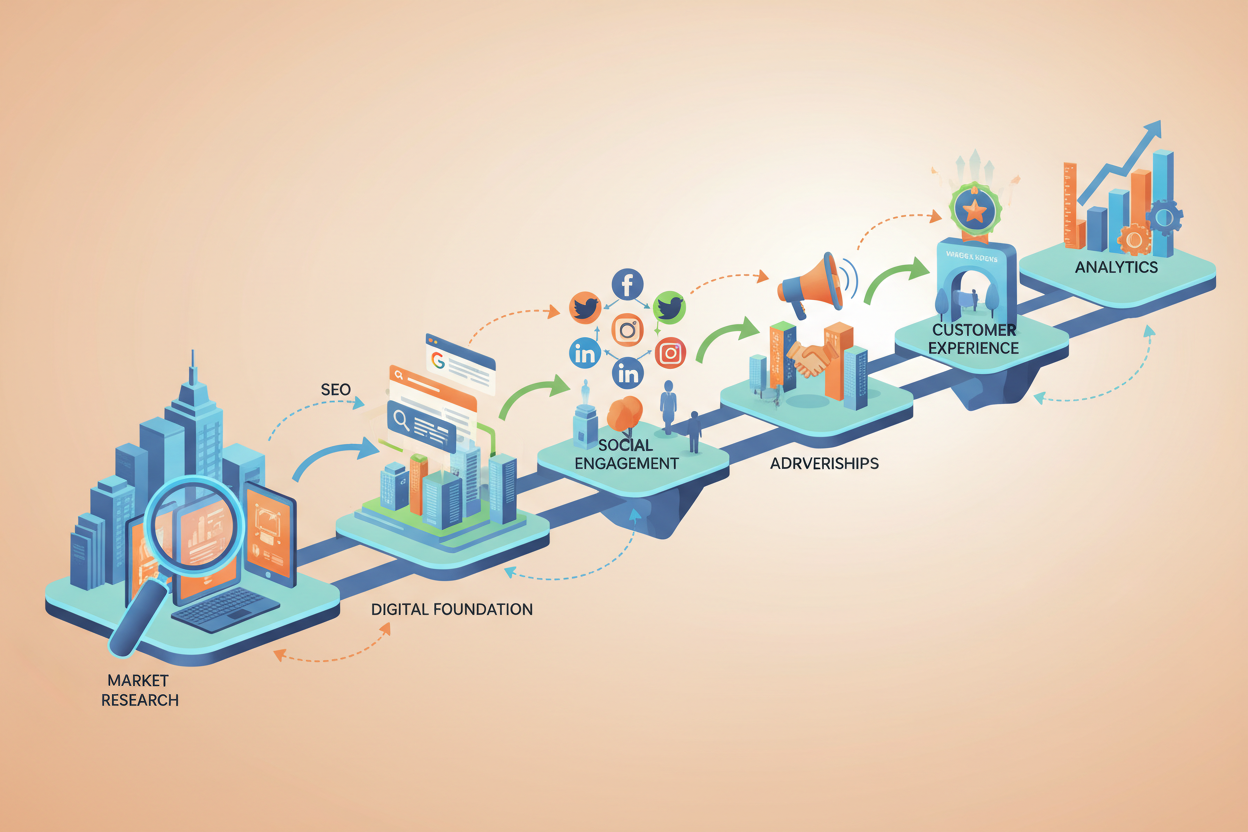
1. Introduction: The Local Business Advantage
2. Understanding Your Local Market Landscape
3. Building a Strong Digital Foundation
4. Mastering Local SEO Strategies
5. Leveraging Social Media for Local Engagement
6. Creating Community Partnerships and Networking
7. Implementing Effective Local Advertising Campaigns
8. Customer Experience: Your Secret Weapon
9. Measuring Success and Adapting Your Strategy
10. Conclusion
11. Frequently Asked Questions
Introduction: The Local Business Advantage 🎯
Running a local business in today’s competitive marketplace can feel like David facing Goliath. You’re up against big corporations with massive marketing budgets, online giants that seem to dominate every search result, and countless other local competitors vying for the same customers. But here’s the thing – being local is actually your superpower, not your weakness.
I’ve spent years helping small business owners transform their local presence from barely visible to absolutely unstoppable. The secret isn’t trying to compete with the big players on their terms; it’s about leveraging what makes you uniquely local and turning that into your greatest competitive advantage.
In this comprehensive guide, we’ll explore proven strategies that will help you not just survive in your local market, but absolutely dominate it. Whether you’re running a cozy café, a bustling auto repair shop, or a boutique consulting firm, these tactics will give you the tools to become the go-to business in your area.
Understanding Your Local Market Landscape 🗺️
Before you can dominate your market, you need to understand it inside and out. This isn’t just about knowing who your competitors are – it’s about understanding the heartbeat of your community.
Start by conducting thorough market research that goes beyond basic demographics. Walk through your neighborhood at different times of day. Where do people gather? What are they talking about? What problems are they facing that your business could solve?

Create detailed customer personas based on real interactions, not just assumptions. That morning coffee regular who always seems rushed might represent a whole segment of busy professionals who value speed and efficiency. The family that comes in on weekends might represent customers who prioritize experience and quality time together.
Don’t forget to analyze your competition, but do it strategically. What are they doing well that you could improve upon? More importantly, what gaps are they leaving that you could fill? Sometimes the biggest opportunities lie in the spaces between what existing businesses offer.
Building a Strong Digital Foundation 💻
Your digital presence is often the first impression potential customers have of your business. In fact, studies show that 97% of people learn more about a local company online than anywhere else. That’s why building a rock-solid digital foundation isn’t optional – it’s essential.
Your website should be more than just a digital business card. Think of it as your 24/7 salesperson. It needs to load quickly (under 3 seconds), look great on mobile devices, and clearly communicate what makes your business special. Include genuine customer testimonials, high-quality photos of your products or services, and make it incredibly easy for people to contact you or make a purchase.
But here’s what many business owners miss: your website should tell a story. Share why you started your business, what drives you, and how you’re connected to the local community. People don’t just buy products or services – they buy from people they trust and feel connected to.
Ensure your contact information is consistent across every platform. This might seem basic, but you’d be surprised how many businesses have different phone numbers or addresses listed on their website, Google My Business, and social media profiles. This inconsistency confuses both customers and search engines.
Mastering Local SEO Strategies 🔍
Local SEO is where the magic happens for local businesses. When someone in your area searches for what you offer, you want to be the first result they see. This isn’t just about being found – it’s about being found by the right people at the right time.
Start with Google My Business optimization. This free tool is incredibly powerful, yet many businesses barely scratch the surface of what it can do. Complete every section of your profile, add high-quality photos regularly, and respond to every review – both positive and negative. Google rewards businesses that actively engage with their community.
Create location-specific content that addresses local concerns and interests. If you’re a landscaping company in Phoenix, don’t just write about general gardening tips – write about dealing with desert conditions, water conservation, and plants that thrive in Arizona heat. This kind of specific, locally-relevant content helps you rank higher and attracts more qualified leads.
Build local citations by getting your business listed in relevant local directories, industry associations, and community websites. The key is quality over quantity. A listing on your city’s official business directory carries more weight than dozens of low-quality directory listings.
Leveraging Social Media for Local Engagement 📱
Social media for local businesses isn’t about going viral or getting millions of followers. It’s about building genuine relationships with your community. Focus on platforms where your customers actually spend time, and be consistently valuable rather than constantly promotional.
Share behind-the-scenes content that humanizes your business. People love seeing the faces behind the business, the process of how you create your products, or the story behind why you chose your location. This kind of authentic content builds trust and emotional connection.
Engage with other local businesses and community organizations on social media. Share their posts, celebrate their successes, and collaborate on content. This not only expands your reach but also positions you as a community-minded business that people want to support.
Use location tags and local hashtags strategically. When you post about your business, tag your location and use hashtags that locals might follow, like #YourCityName or #SupportLocal. This helps people in your area discover your content organically.
Creating Community Partnerships and Networking 🤝
The strongest local businesses aren’t islands – they’re integral parts of their community ecosystem. Building meaningful partnerships and networking relationships can exponentially expand your reach and credibility.
Look for complementary businesses that serve the same customer base but aren’t direct competitors. A wedding photographer might partner with local florists, caterers, and venues. A fitness trainer might collaborate with nutritionists, athletic wear stores, and health food cafes. These partnerships can lead to referrals, joint marketing efforts, and shared customer experiences that benefit everyone involved.
Get involved in local events and community organizations. Sponsor a little league team, participate in community festivals, or host educational workshops. This visibility builds brand recognition and demonstrates your commitment to the community’s success, not just your own.
Join your local chamber of commerce and actually participate. Don’t just pay the membership fee and expect results. Attend events, volunteer for committees, and build genuine relationships with other business owners. These connections often lead to unexpected opportunities and referrals.
Implementing Effective Local Advertising Campaigns 📢
While organic marketing is crucial, strategic paid advertising can accelerate your growth and help you reach customers you might otherwise miss. The key is to be smart about where and how you spend your advertising dollars.
Google Ads for local businesses should focus heavily on location-based targeting and local intent keywords. Instead of bidding on broad terms like “restaurant,” target phrases like “best Italian restaurant in [your city]” or “family dinner near me.” These searches show clear local intent and are more likely to convert.
Facebook and Instagram advertising allows for incredibly precise local targeting. You can target people within a specific radius of your business, people who have visited similar businesses, or even people who live in certain neighborhoods. Use this precision to your advantage with compelling local offers and authentic imagery.
Don’t overlook traditional local advertising opportunities that still work. Local radio sponsorships, community newsletter ads, and even well-placed yard signs can be highly effective, especially for businesses targeting older demographics or very specific geographic areas.
Customer Experience: Your Secret Weapon ⭐
In a world where customers can easily compare prices online and switch to competitors with a few clicks, exceptional customer experience becomes your most powerful differentiator. This is where local businesses can truly shine compared to large corporations.
Personalization is your superpower. Remember customers’ names, their preferences, and their stories. A coffee shop owner who remembers that Sarah likes her latte extra hot and always asks about her kids creates a connection that no app or corporate chain can replicate.
Train your entire team to be brand ambassadors. Every interaction a customer has with your business – whether it’s with you, an employee, or even your delivery driver – shapes their perception and influences whether they’ll return or recommend you to others.
Create memorable moments that customers want to share. This could be a handwritten thank-you note with purchases, a surprise upgrade for loyal customers, or simply going above and beyond when someone has a problem. These moments often turn customers into enthusiastic advocates who promote your business for free.
Measuring Success and Adapting Your Strategy 📊
What gets measured gets improved. Successful local business promotion requires ongoing monitoring and adjustment based on real data, not just gut feelings or assumptions.
Track both online and offline metrics. Online, monitor your website traffic, Google My Business insights, social media engagement, and online review ratings. Offline, pay attention to foot traffic patterns, sales trends, and customer feedback. Look for connections between your marketing activities and business results.
Set up Google Analytics and Google My Business insights to understand how customers find and interact with your business online. Which keywords bring the most qualified traffic? What content keeps people on your website longest? Which posts generate the most engagement on social media?
Don’t just collect data – act on it. If you notice that most of your website visitors are using mobile devices, prioritize mobile optimization. If certain types of social media posts consistently generate more engagement, create more of that content. If customers frequently ask about a service you don’t currently offer, consider adding it.
Regularly survey your customers to understand their experience and gather suggestions for improvement. This feedback is invaluable for refining your approach and staying ahead of changing customer needs and preferences.
Conclusion: Your Path to Local Market Dominance 🏆
Dominating your local market isn’t about having the biggest marketing budget or the flashiest advertising campaign. It’s about consistently delivering value, building genuine relationships, and becoming an indispensable part of your community.
The strategies we’ve covered – from optimizing your digital presence to creating meaningful community partnerships – work together to create a powerful local marketing ecosystem. When you combine strong local SEO with authentic social media engagement, exceptional customer experience, and strategic partnerships, you create multiple touchpoints that reinforce your business’s value and reputation.
Remember, local market domination is a marathon, not a sprint. Start with the strategies that align best with your current resources and capabilities, then gradually expand your efforts as you see results. Stay consistent, be patient, and always keep your community’s needs at the center of everything you do.
Your local business has something that no national chain or online giant can replicate: a genuine connection to your community. Leverage that connection, nurture those relationships, and watch as your business becomes not just successful, but truly indispensable to the people you serve. 🌟
Frequently Asked Questions ❓
How long does it take to see results from local marketing efforts?
Most local marketing strategies show initial results within 3-6 months, with significant improvement typically visible within 6-12 months. However, building true market dominance is an ongoing process that can take 1-2 years of consistent effort.
What’s the most important factor for local business success?
While all elements are important, customer experience consistently ranks as the most critical factor. Happy customers become repeat buyers and enthusiastic referrers, creating sustainable growth that’s difficult for competitors to replicate.
How much should I budget for local marketing?
A good rule of thumb is to allocate 7-10% of your gross revenue to marketing, with at least half of that focused on local strategies. However, newer businesses might need to invest 10-15% initially to build awareness and market share.
Should I focus more on online or offline marketing?
The most effective approach combines both online and offline strategies. Your specific mix should depend on your target audience’s preferences and behaviors. Most local businesses find success with a 60-70% online, 30-40% offline split.
How do I compete with larger businesses that have bigger budgets?
Focus on your advantages: personal service, local knowledge, community connection, and agility. Large businesses can’t replicate the personal touch and community integration that local businesses can provide. Use these strengths to create loyal customers who choose you despite potentially higher prices or fewer resources.
What’s the biggest mistake local businesses make in their marketing?
The biggest mistake is trying to be everything to everyone instead of focusing on their ideal local customers. Successful local businesses identify their niche within their community and become the go-to choice for that specific audience, rather than attempting to compete broadly with larger businesses.


