

How to Promote Your Music and Build a Fanbase: The Ultimate Guide for Independent Artists 🎵
Table of Contents
1. Introduction: Your Musical Journey Starts Here
2. Understanding Your Target Audience
3. Creating Quality Content That Resonates
4. Leveraging Social Media Platforms Effectively
5. Building Your Email List and Newsletter Strategy
6. Networking and Collaboration Opportunities
7. Live Performances and Virtual Concerts
8. Music Distribution and Streaming Platforms
9. Engaging with Your Fanbase Authentically
10. Measuring Success and Adjusting Your Strategy
11. Conclusion: Your Path to Musical Success
12. Frequently Asked Questions
Introduction: Your Musical Journey Starts Here 🚀
Breaking into the music industry has never been more accessible, yet paradoxically, it’s never been more challenging. With millions of tracks uploaded to streaming platforms daily, standing out from the crowd requires more than just talent – it demands a strategic approach to music promotion and fanbase building.
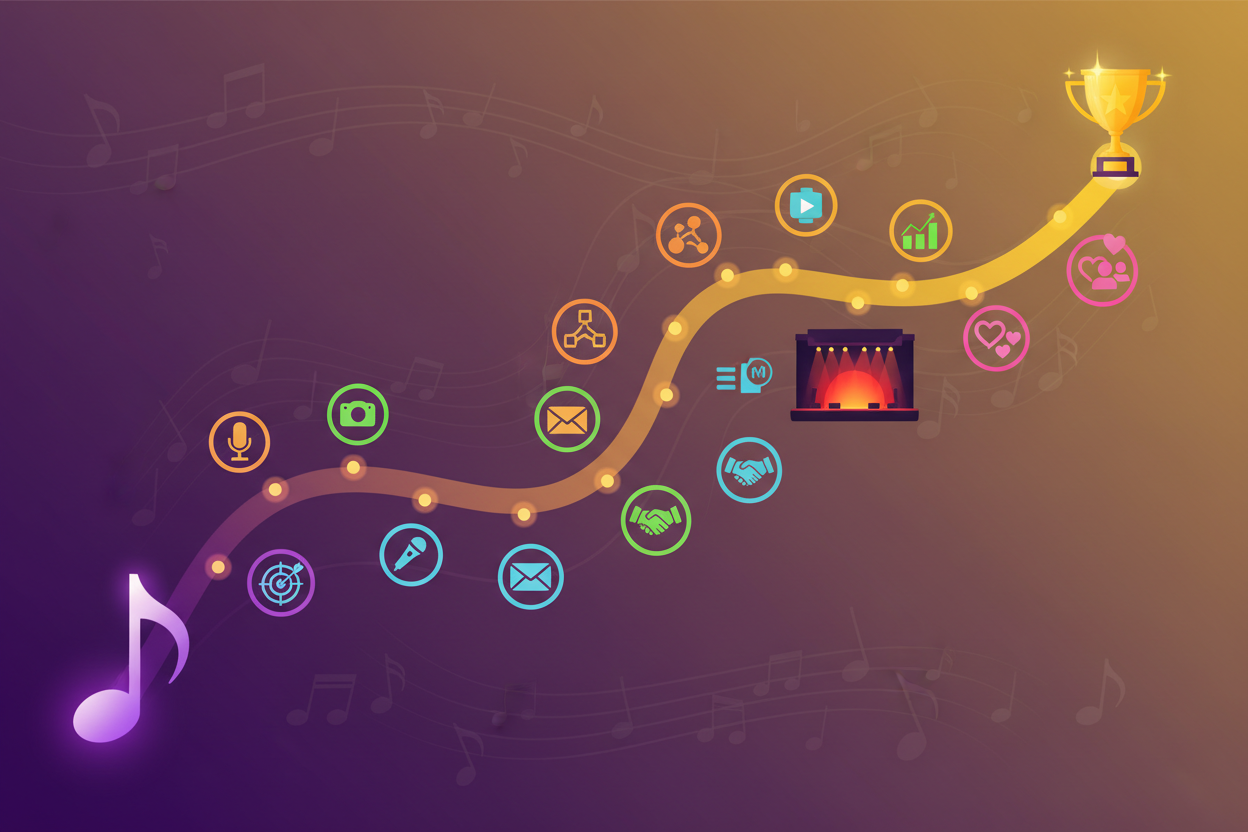
Whether you’re a bedroom producer crafting electronic beats or a singer-songwriter with an acoustic guitar, the fundamentals of building a loyal fanbase remain consistent. It’s about connecting with people who genuinely resonate with your sound and creating lasting relationships that transcend a simple play count.
This comprehensive guide will walk you through proven strategies that successful independent artists use to grow their fanbase organically. You’ll discover actionable techniques that don’t require a massive budget – just dedication, creativity, and authentic connection with your audience.
Understanding Your Target Audience 🎯
Before diving into promotion tactics, you need to identify who your music is for. This isn’t about limiting your creativity; it’s about understanding which listeners are most likely to become devoted fans.
Start by analyzing your current followers and listeners. What demographics do they represent? What other artists do they enjoy? Use analytics tools from Spotify for Artists, Apple Music for Artists, and social media insights to gather this data.
Create detailed listener personas that include age ranges, musical preferences, lifestyle habits, and social media usage patterns. For instance, if you’re creating indie folk music, your target audience might be 25-40 year olds who value authentic storytelling and frequent coffee shops with live music.
Remember, having a specific target audience doesn’t mean others won’t enjoy your music. It simply helps you focus your promotional efforts where they’re most likely to yield results.
Creating Quality Content That Resonates 🎨
Content is the foundation of your music promotion strategy. This extends beyond just your songs – it includes behind-the-scenes videos, lyric explanations, studio sessions, and personal stories that give fans insight into your creative process.
Consistency is crucial when creating content. Develop a content calendar that includes regular releases, whether that’s new music, covers, or engaging posts. Your audience should know when to expect new material from you.
Visual content performs exceptionally well across all platforms. Invest time in creating eye-catching album artwork, music videos (even simple lyric videos work), and social media graphics that reflect your artistic brand. You don’t need expensive equipment – many successful artists started with smartphone cameras and free editing software.
Storytelling is your secret weapon. Share the inspiration behind your songs, discuss challenges you’ve overcome, or talk about what music means to you. Authentic stories create emotional connections that transform casual listeners into dedicated fans.
Leveraging Social Media Platforms Effectively 📱
Each social media platform serves different purposes in your music promotion strategy. Understanding these differences will help you optimize your approach for maximum impact.
Instagram thrives on visual content and stories. Use it to share studio photos, concert clips, and daily life glimpses. Instagram Reels and Stories offer excellent opportunities to showcase short music snippets and engage with trending topics.
TikTok has revolutionized music discovery. Create short, catchy clips featuring your music, participate in trends, and use relevant hashtags. Even a 15-second clip can go viral and introduce your music to thousands of new listeners.
YouTube serves as both a social platform and search engine. Upload music videos, acoustic versions, tutorials, and vlogs. Optimize your video titles and descriptions with relevant keywords to improve discoverability.
Twitter excels at real-time engagement and networking with other artists and industry professionals. Share thoughts, engage in conversations, and participate in music-related hashtags and Twitter chats.
Building Your Email List and Newsletter Strategy 📧
While social media algorithms change constantly, your email list remains yours forever. It’s the most reliable way to maintain direct contact with your fanbase.
Offer incentives for email signups, such as exclusive tracks, early access to new releases, or behind-the-scenes content. Place signup forms on your website, social media profiles, and include calls-to-action in your content.
Your newsletter should provide value beyond just promotional content. Share personal updates, music recommendations, industry insights, or exclusive stories. Aim for a conversational tone that makes subscribers feel like they’re receiving a message from a friend.
Segment your email list based on fan engagement levels, geographic location, or musical preferences. This allows you to send targeted messages that resonate more effectively with specific groups.
Networking and Collaboration Opportunities 🤝
The music industry thrives on relationships. Building genuine connections with other artists, producers, bloggers, and industry professionals can open doors you never knew existed.
Start by supporting other artists in your genre or local music scene. Attend shows, engage with their content, and offer genuine support. This reciprocal relationship often leads to collaboration opportunities and cross-promotion.
Consider featuring on other artists’ tracks or inviting them to collaborate on yours. These partnerships introduce your music to their fanbase while creating fresh content that benefits both parties.
Reach out to music bloggers, playlist curators, and podcast hosts who feature artists in your genre. Personalize your pitches, highlighting why your music would resonate with their audience specifically.
Live Performances and Virtual Concerts 🎤
Nothing replaces the energy and connection of live performance. Whether it’s intimate acoustic sets or full band shows, live performances create memorable experiences that convert casual listeners into devoted fans.
Start small with local venues, open mic nights, or house concerts. These intimate settings allow for genuine interaction with your audience and help you refine your performance skills.
Virtual concerts have become increasingly popular and accessible. Platforms like Instagram Live, Facebook Live, and specialized services like StageIt allow you to perform for fans worldwide from your home studio.
Document your performances through photos and videos. These materials serve as social media content and help promote future shows to those who couldn’t attend.
Music Distribution and Streaming Platforms 🎧
Getting your music on major streaming platforms is essential for modern music promotion. Services like DistroKid, CD Baby, or TuneCore make this process straightforward and affordable.
Optimize your streaming presence by claiming your artist profiles on Spotify, Apple Music, and other platforms. Upload high-quality photos, write compelling bio descriptions, and regularly update your profiles with new content.
Playlist placement can significantly boost your streams and fanbase. Research playlists that feature similar artists and submit your music through official channels. Also, create your own playlists featuring your music alongside tracks from artists you admire.
Release strategy matters. Consider releasing singles consistently rather than waiting for a full album. This approach keeps your name in front of listeners more frequently and provides multiple opportunities for playlist placement.
Engaging with Your Fanbase Authentically 💬
Building a fanbase isn’t just about gaining followers – it’s about creating a community around your music. Authentic engagement transforms passive listeners into active supporters who share your music and attend your shows.
Respond to comments, messages, and mentions personally whenever possible. Fans notice when artists take time to acknowledge them, and these interactions often lead to increased loyalty and word-of-mouth promotion.
Ask questions and encourage fan participation. Request feedback on new songs, ask about their favorite lyrics, or invite them to share how your music has impacted their lives.
Show appreciation for your fans regularly. Acknowledge milestones, share fan-created content, and express genuine gratitude for their support. Remember, your fans choose to spend their time and money supporting your music – never take that for granted.
Measuring Success and Adjusting Your Strategy 📊
Successful music promotion requires continuous monitoring and adjustment. Track metrics that matter most to your goals, whether that’s streaming numbers, social media engagement, email open rates, or concert attendance.
Use analytics tools provided by streaming platforms and social media to understand which content resonates most with your audience. Identify patterns in your most successful posts and try to replicate those elements in future content.
Don’t get discouraged by slow initial growth. Building a genuine fanbase takes time, and sustainable growth often happens gradually rather than overnight. Focus on creating consistent, quality content and maintaining authentic connections with your audience.
Be willing to experiment with new platforms and strategies. The digital landscape evolves rapidly, and early adoption of new platforms can provide significant advantages for independent artists.
Conclusion: Your Path to Musical Success 🌟
Building a fanbase as an independent artist requires patience, persistence, and authenticity. There’s no magic formula that works overnight, but the strategies outlined in this guide provide a solid foundation for sustainable growth.
Remember that every successful artist started with zero fans. Focus on creating music you’re passionate about, connecting genuinely with your audience, and consistently putting yourself and your art out into the world.
Your unique voice and perspective are your greatest assets. Don’t try to copy what others are doing – instead, use these proven strategies as a framework to showcase what makes you special as an artist.
The music industry may be competitive, but there’s room for every authentic voice. Stay true to your artistic vision while being strategic about how you share it with the world. Your future fans are out there waiting to discover you – these strategies will help you find them.
Frequently Asked Questions ❓
How long does it take to build a substantial fanbase?
Building a meaningful fanbase typically takes 1-3 years of consistent effort. However, you may start seeing engaged followers within the first few months of active promotion. Focus on quality connections rather than just numbers.
Do I need to spend money on music promotion?
While paid promotion can accelerate growth, many successful strategies cost only time and effort. Start with free methods like social media engagement, networking, and content creation. Invest money strategically as your fanbase grows.
Should I focus on one social media platform or use them all?
It’s better to excel on 2-3 platforms than to spread yourself too thin across all of them. Choose platforms where your target audience is most active and where you can consistently create quality content.
How often should I release new music?
Consistency matters more than frequency. Whether you release monthly singles or quarterly EPs, maintain a schedule your fans can anticipate. Quality should never be sacrificed for quantity.
What’s the biggest mistake new artists make when promoting their music?
The biggest mistake is focusing solely on self-promotion without providing value or building genuine relationships. Successful promotion involves supporting others, engaging authentically, and creating content that entertains or inspires your audience beyond just your music.


