

Influencer Marketing: How to Promote Through Others’ Audiences 🚀
Table of Contents
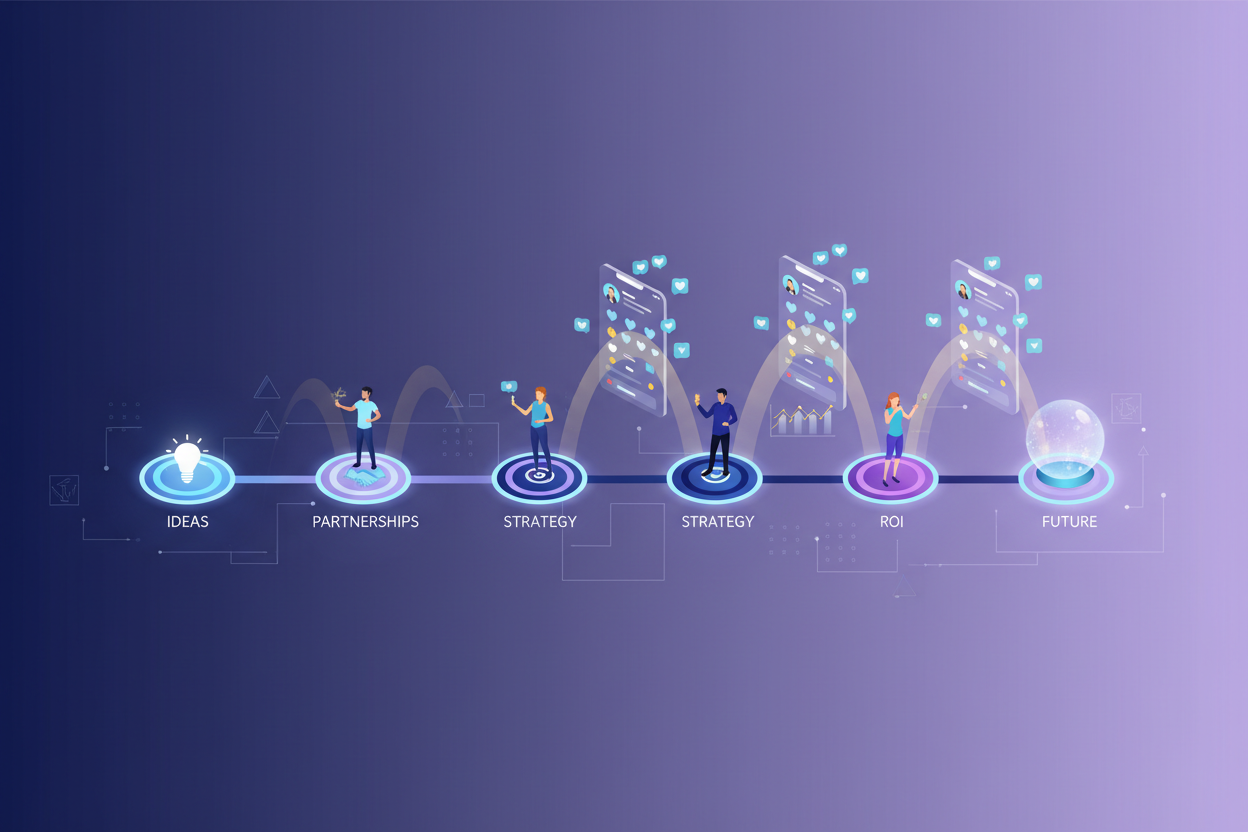
1. What Is Influencer Marketing and Why Does It Matter?
2. The Psychology Behind Influencer Marketing Success
3. Types of Influencers: Finding Your Perfect Match
4. How to Identify the Right Influencers for Your Brand
5. Building Authentic Partnerships That Convert
6. Creating Compelling Influencer Campaign Strategies
7. Measuring ROI and Campaign Success
8. Common Influencer Marketing Mistakes to Avoid
9. The Future of Influencer Marketing
10. Frequently Asked Questions
Picture this: You’re scrolling through Instagram, and your favorite fitness influencer is raving about a new protein powder. Within minutes, you’re on the brand’s website, credit card in hand. Sound familiar? 🤔 That’s the magic of influencer marketing in action – and it’s transforming how businesses connect with their target audiences.
In today’s digital landscape, traditional advertising feels increasingly intrusive and impersonal. Consumers crave authenticity, and they’re more likely to trust recommendations from people they admire than faceless corporate messages. This shift has made influencer marketing one of the most powerful tools in a marketer’s arsenal, with businesses earning an average of $5.20 for every dollar spent on influencer campaigns.
Whether you’re a startup looking to make your first splash or an established brand seeking fresh ways to reach new customers, understanding how to leverage other people’s audiences can be a game-changer for your business growth.
What Is Influencer Marketing and Why Does It Matter? 💡
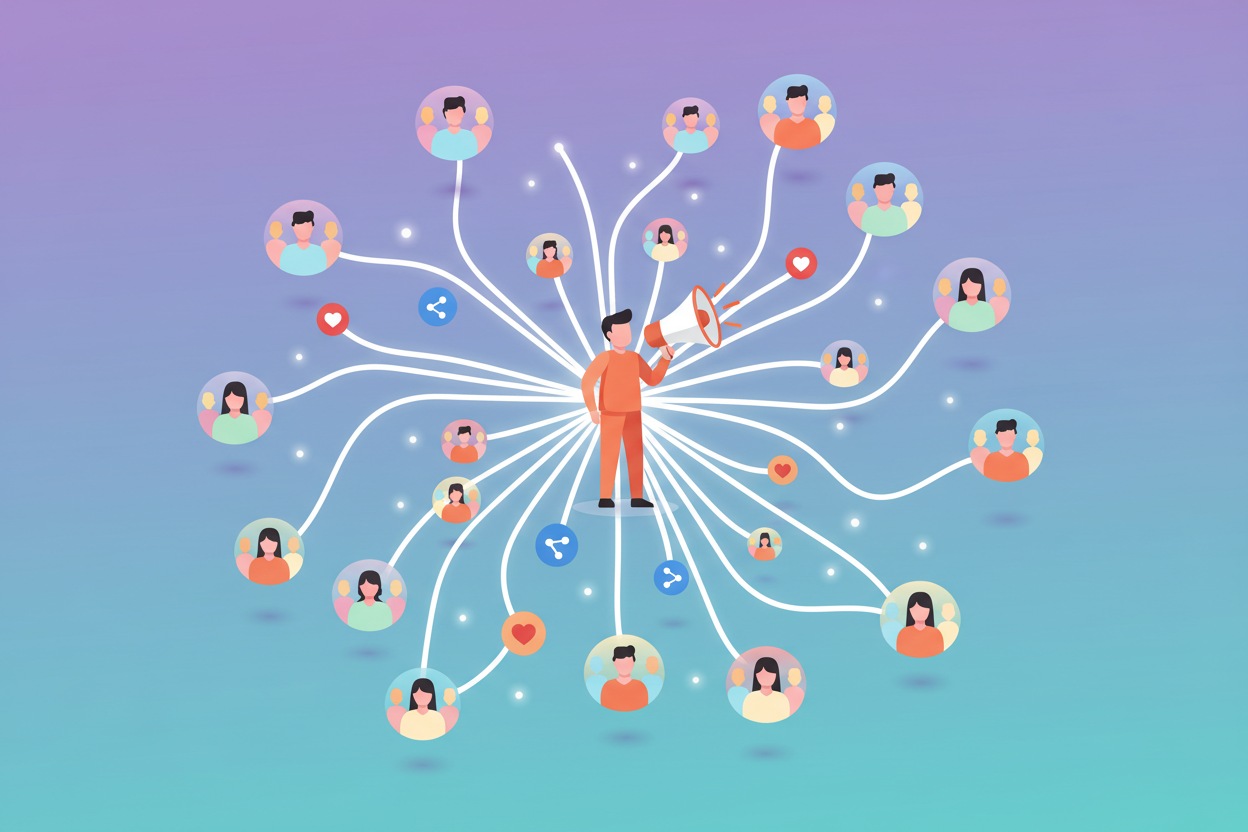
Influencer marketing is essentially word-of-mouth advertising on steroids. It involves partnering with individuals who have established credibility and a dedicated following within specific niches to promote your products or services. These influencers act as trusted intermediaries between your brand and potential customers.
But here’s what makes it so effective: people don’t just follow influencers for entertainment – they genuinely trust their opinions and recommendations. When an influencer endorses your product, they’re essentially lending their credibility to your brand. It’s like having a friend recommend something, except that “friend” might have 100,000 other friends listening in.
The numbers speak for themselves. According to recent studies, 61% of consumers trust influencer recommendations, while only 38% trust branded social media content. This trust translates into real business results, with influencer marketing generating 11 times higher ROI than traditional forms of digital marketing.
The Psychology Behind Influencer Marketing Success 🧠
Understanding why influencer marketing works so well requires diving into human psychology. At its core, this marketing approach taps into several fundamental psychological principles that drive consumer behavior.
First, there’s the concept of social proof – we naturally look to others for guidance on what to buy, where to eat, and how to behave. When we see someone we admire using a product, our brains automatically assume it must be good. It’s the same reason restaurants display their busy dining rooms and why Amazon shows customer reviews so prominently.
Then there’s parasocial relationships – the one-sided emotional connections people form with media personalities and influencers. Followers often feel like they know influencers personally, even though they’ve never met. This perceived intimacy makes recommendations feel more like advice from a trusted friend rather than a sales pitch.
Authority and expertise also play crucial roles. When a fitness influencer recommends workout gear or a beauty guru suggests skincare products, their expertise in that field lends weight to their recommendations. People assume they’ve tested countless products and are sharing only the best ones.
Types of Influencers: Finding Your Perfect Match 🎯
Not all influencers are created equal, and understanding the different tiers can help you make smarter partnership decisions. Let me break down the main categories:
Nano-Influencers (1K-10K followers): These are everyday people with small but highly engaged audiences. They often have the highest engagement rates and strongest community connections. Think of them as the popular person in your neighborhood – everyone knows and trusts them. They’re perfect for local businesses or niche products.
Micro-Influencers (10K-100K followers): This sweet spot offers the best of both worlds – significant reach with maintained authenticity. Micro-influencers typically have expertise in specific niches and maintain genuine relationships with their followers. They’re often more affordable than larger influencers while delivering impressive results.
Macro-Influencers (100K-1M followers): These influencers have substantial reach and professional content creation skills. They’re often considered experts in their fields and can provide significant brand exposure. However, their engagement rates might be lower than smaller influencers.
Mega-Influencers (1M+ followers): These are the celebrities of the digital world. While they offer massive reach, they’re also the most expensive and may have lower engagement rates. They’re best for brand awareness campaigns rather than direct sales.
How to Identify the Right Influencers for Your Brand 🔍
Finding the perfect influencer partner isn’t just about follower counts – it’s about alignment, authenticity, and audience quality. Here’s my proven process for identifying ideal collaborators:
Start by defining your target audience clearly. Who are you trying to reach? What are their interests, demographics, and pain points? Your ideal influencer should have an audience that mirrors your target customers. There’s no point partnering with a gaming influencer if you’re selling baby products, no matter how many followers they have.
Next, examine engagement quality over quantity. A influencer with 50,000 highly engaged followers is often more valuable than one with 500,000 passive followers. Look for genuine comments, meaningful interactions, and consistent engagement rates. Use tools like Social Blade or HypeAuditor to analyze these metrics.
Content alignment is crucial too. Does the influencer’s content style, values, and messaging align with your brand? Scroll through their recent posts – can you genuinely see your product fitting naturally into their content? Forced partnerships are obvious to audiences and rarely succeed.
Don’t forget to check their previous brand partnerships. How did they integrate sponsored content? Did it feel natural or overly promotional? Look for influencers who maintain authenticity even in sponsored posts.
Building Authentic Partnerships That Convert 🤝
The most successful influencer campaigns feel less like advertisements and more like genuine recommendations. This authenticity doesn’t happen by accident – it requires thoughtful relationship building and strategic collaboration.
Start by approaching influencers as partners, not billboards. Reach out with personalized messages that show you’ve actually engaged with their content. Mention specific posts you enjoyed or explain why you think your brand would resonate with their audience. Generic outreach emails are immediately obvious and often ignored.
Give influencers creative freedom while providing clear guidelines. The best influencer content feels native to their usual posts while highlighting your product’s benefits. Provide product information, key messages, and campaign goals, but let them craft the story in their unique voice.
Consider long-term partnerships over one-off posts. Audiences are more likely to trust recommendations when they see influencers using products consistently over time. A fitness influencer posting about your protein powder once might generate some interest, but showing their daily routine with your product over several months builds genuine credibility.
Compensation should be fair and transparent. Whether you’re offering free products, monetary payment, or affiliate commissions, be upfront about expectations and deliverables. Respect their time and expertise – good influencers are professional content creators who deserve appropriate compensation.
Creating Compelling Influencer Campaign Strategies 📈
Successful influencer campaigns require more than just sending products and hoping for the best. They need strategic planning, clear objectives, and well-defined success metrics.
Start with specific, measurable goals. Are you looking to increase brand awareness, drive website traffic, generate sales, or build social media following? Different objectives require different approaches and metrics. A brand awareness campaign might focus on reach and impressions, while a sales-focused campaign should track conversion rates and revenue.
Timing matters more than you might think. Consider seasonal trends, product launches, holidays, and even the influencer’s posting schedule. A summer product campaign in January won’t resonate, and posting when your target audience is asleep won’t maximize reach.
Content variety keeps campaigns fresh and engaging. Mix different formats – Instagram posts, Stories, Reels, YouTube videos, blog posts, or TikTok content. Each format serves different purposes and reaches audiences in various mindsets. Stories might be perfect for behind-the-scenes content, while feed posts work better for detailed product showcases.
Don’t forget about hashtags and tracking. Develop campaign-specific hashtags to monitor mentions and user-generated content. Provide UTM codes or unique discount codes to track traffic and conversions directly attributable to each influencer.
Measuring ROI and Campaign Success 📊
What gets measured gets managed, and influencer marketing is no exception. Tracking the right metrics helps you understand what’s working, optimize future campaigns, and justify your marketing spend.
Engagement metrics provide immediate feedback on content performance. Look at likes, comments, shares, saves, and click-through rates. High engagement indicates that content resonates with audiences, while low engagement might signal poor audience alignment or weak content.
Reach and impressions show how many people saw your message, but don’t confuse visibility with effectiveness. A post with high reach but low engagement might indicate that while many people saw it, few found it compelling enough to interact with.
Conversion tracking is where the rubber meets the road. Use unique promo codes, affiliate links, or UTM parameters to track sales directly attributable to each influencer. This data helps you calculate actual ROI and identify your most effective partners.
Brand sentiment monitoring reveals how campaigns affect public perception of your brand. Monitor mentions, comments, and discussions around your brand during and after campaigns. Positive sentiment indicates successful brand building, while negative feedback provides valuable improvement insights.
Common Influencer Marketing Mistakes to Avoid ⚠️
Even well-intentioned brands can stumble in influencer marketing. Learning from common mistakes can save you time, money, and potential reputation damage.
The biggest mistake is prioritizing follower count over engagement and audience quality. An influencer with millions of followers but low engagement rates or an irrelevant audience won’t deliver results. It’s better to work with smaller influencers who have genuine connections with their followers.
Micromanaging content creation often backfires. Overly scripted or heavily branded content feels inauthentic to audiences who follow influencers for their unique perspectives. Provide guidelines and key messages, but trust influencers to communicate in their authentic voice.
Failing to disclose partnerships isn’t just unethical – it’s illegal in many jurisdictions. Ensure all sponsored content includes proper disclosure hashtags like #ad, #sponsored, or #partnership. Transparency builds trust and keeps you compliant with advertising regulations.
One-size-fits-all approaches rarely work. Different influencers have different strengths, audiences, and content styles. Customize your approach for each partnership rather than using identical briefs for everyone.
The Future of Influencer Marketing 🔮
Influencer marketing continues evolving as platforms, technologies, and consumer behaviors change. Staying ahead of trends helps you adapt your strategies and maintain competitive advantages.
Authenticity and transparency are becoming even more critical as audiences become more sophisticated. Consumers can easily spot fake partnerships or disingenuous recommendations. The future belongs to influencers who maintain genuine connections with their audiences and brands that prioritize authentic relationships over quick wins.
Video content dominance will continue growing across all platforms. Short-form videos on TikTok, Instagram Reels, and YouTube Shorts are particularly effective for product demonstrations and authentic recommendations. Brands should prioritize video-focused influencer partnerships.
AI and technology integration will streamline influencer discovery, campaign management, and performance tracking. However, the human element – authentic relationships and genuine recommendations – will remain irreplaceable.
Niche communities and micro-influencers will become increasingly valuable as mass marketing becomes less effective. Highly targeted campaigns within specific communities often deliver better results than broad-reach celebrity endorsements.
Influencer marketing isn’t just a trend – it’s a fundamental shift in how consumers discover and evaluate products. By understanding the psychology behind it, choosing the right partners, and executing authentic campaigns, you can tap into established audiences and accelerate your business growth.
Remember, successful influencer marketing is about building genuine relationships, not just buying access to followers. Focus on creating value for influencers and their audiences, and you’ll build a sustainable, effective marketing channel that drives real business results. 🌟
The key is starting small, learning from each campaign, and gradually building a network of authentic brand advocates who genuinely believe in your products. In a world where trust is the ultimate currency, influencer marketing helps you earn that trust by association with people your customers already admire and respect.
Frequently Asked Questions ❓
How much should I budget for influencer marketing?
Influencer marketing budgets vary widely depending on your goals and chosen influencers. Nano-influencers might work for free products, while mega-influencers can cost thousands per post. A good starting point is allocating 10-20% of your total marketing budget to influencer partnerships, then adjusting based on results.
How do I know if an influencer has fake followers?
Look for engagement rates that seem too low for their follower count, generic comments, sudden follower spikes, and audiences from countries that don’t match their content language or focus. Tools like HypeAuditor or Social Blade can help analyze follower authenticity.
What’s the difference between influencer marketing and affiliate marketing?
Influencer marketing focuses on leveraging someone’s credibility and audience for brand promotion, while affiliate marketing is performance-based where partners earn commissions on sales. They can overlap – many influencer partnerships include affiliate components.
How long should influencer campaigns run?
Campaign length depends on your objectives. Brand awareness campaigns might run 2-4 weeks, while product launches could extend 1-3 months. Long-term partnerships (3-12 months) often deliver better results as audiences see consistent product usage over time.
Can small businesses succeed with influencer marketing?
Absolutely! Small businesses often see excellent results with nano and micro-influencers who have highly engaged local or niche audiences. These partnerships are more affordable and often more authentic than celebrity endorsements.


