

Organic Traffic vs. Paid Ads: Which Strategy Wins Long-Term? 🚀
Table of Contents
1. Introduction: The Digital Marketing Dilemma
2. Understanding Organic Traffic: The Steady Marathon Runner
3. Paid Advertising: The Sprint Champion
4. Cost Analysis: Where Your Budget Goes
5. Time Investment and ROI Comparison
6. Sustainability and Long-Term Growth
7. When to Choose Organic vs. Paid Strategies
8. The Winning Formula: Combining Both Approaches
9. Real-World Success Stories
10. Conclusion: Making the Right Choice for Your Business
11. Frequently Asked Questions
Introduction: The Digital Marketing Dilemma 🤔
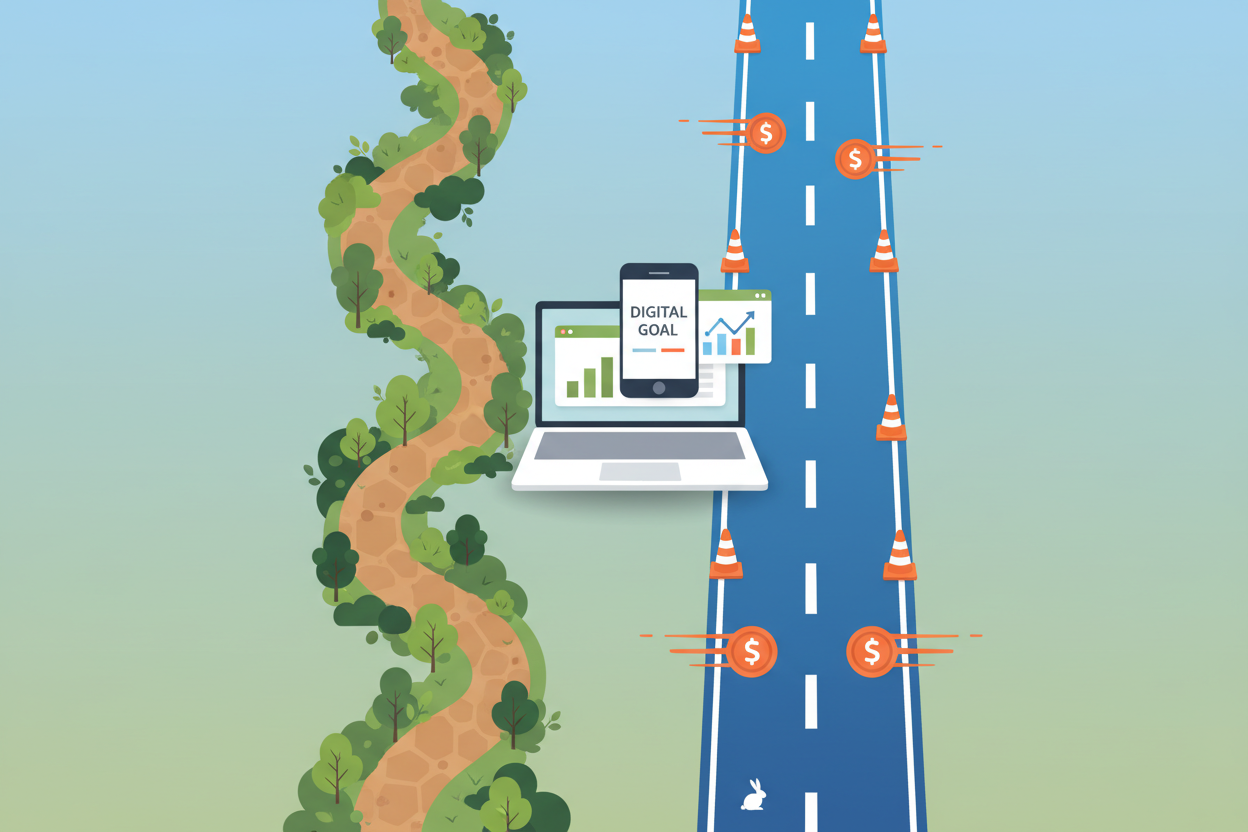
Picture this: You’re standing at a crossroads, holding your marketing budget in one hand and your business goals in the other. To your left lies the winding path of organic traffic – slow but steady, requiring patience and persistence. To your right stretches the highway of paid advertising – fast and immediate, but demanding constant fuel to keep moving.
This isn’t just another theoretical marketing debate. It’s a real decision that thousands of business owners face every single day. Should you invest your precious time and resources in building organic search rankings, or should you pay for immediate visibility through ads?
After working with countless businesses over the years, I’ve seen both strategies create remarkable success stories – and spectacular failures. The truth is, there’s no one-size-fits-all answer, but there are clear patterns that emerge when we look at long-term sustainability and growth.
In this comprehensive guide, we’ll dive deep into both strategies, examine their strengths and weaknesses, and help you make an informed decision that aligns with your business goals and timeline.
Understanding Organic Traffic: The Steady Marathon Runner 🏃♂️
Organic traffic is like that friend who takes forever to warm up to new people but becomes your most loyal companion once they do. It refers to visitors who find your website through unpaid search engine results, typically through search engine optimization (SEO) efforts.

When someone searches for “best coffee shops near me” and clicks on your café’s website because it appears in the top results naturally, that’s organic traffic in action. No money directly changed hands for that click – it happened because search engines determined your content was relevant and valuable.
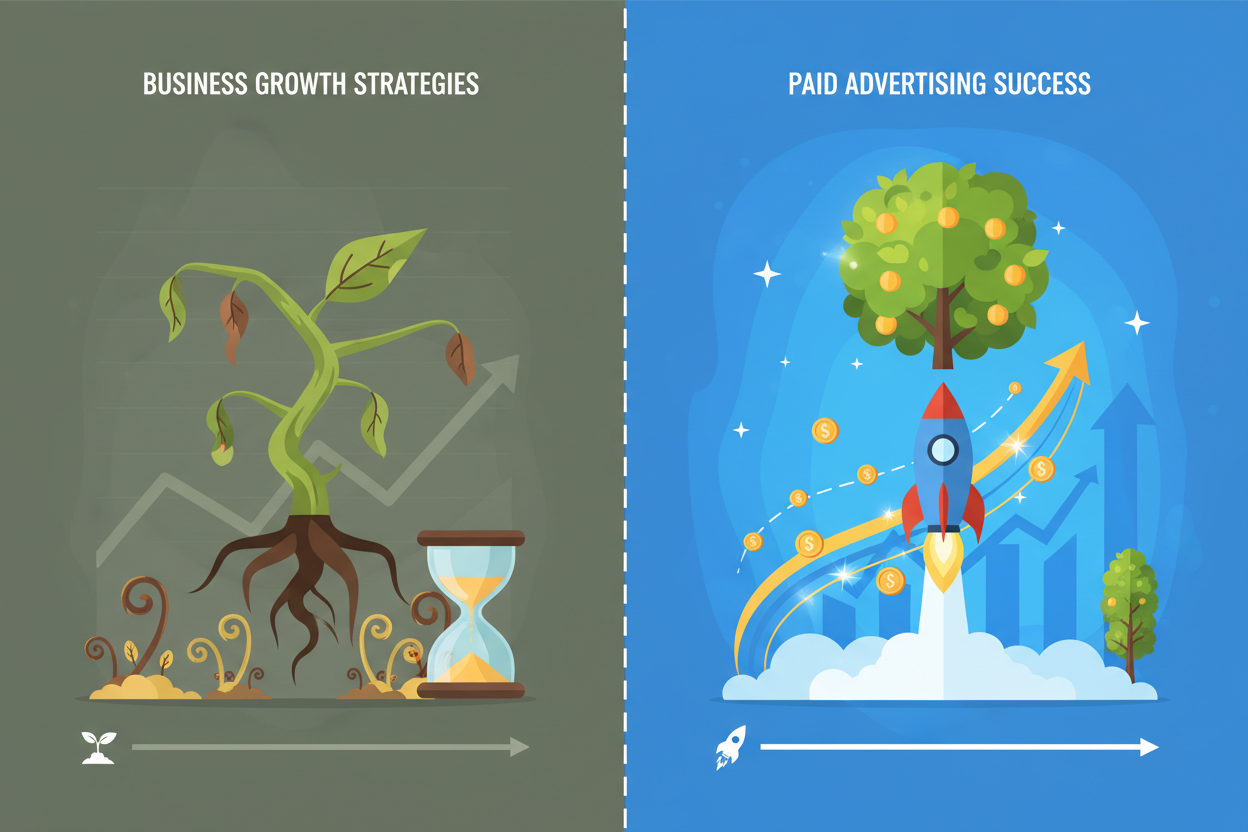
The beauty of organic traffic lies in its compound nature. Every piece of optimized content you create, every backlink you earn, and every technical improvement you make builds upon previous efforts. It’s like planting seeds in a garden – you might not see immediate results, but given time and proper care, you’ll have a thriving ecosystem that continues producing without constant replanting.
However, organic traffic requires significant upfront investment in content creation, technical optimization, and link building. You’re essentially convincing search engines that your website deserves to rank higher than millions of competitors. This process typically takes 6-12 months to show meaningful results, sometimes longer in competitive industries.
Paid Advertising: The Sprint Champion 🏃♀️💨
Paid advertising is the sports car of digital marketing – powerful, immediate, and attention-grabbing. Whether it’s Google Ads, Facebook advertising, or sponsored content, paid strategies can drive traffic to your website within hours of launching a campaign.
The appeal is obvious: instant gratification. Launch a Google Ads campaign today, and you could be generating leads by this afternoon. Need to promote a flash sale? Paid social media ads can reach thousands of potential customers before lunch.
Paid advertising also offers incredible precision. You can target specific demographics, interests, locations, and even behaviors. Want to reach 35-45 year old coffee enthusiasts within 10 miles of your shop who have visited coffee websites in the past month? Paid ads can make that happen.
But here’s the catch – the moment you stop paying, the traffic stops flowing. It’s like renting versus owning a house. You get immediate occupancy with renting, but you’re building equity for someone else. With paid ads, you’re essentially renting visibility from platforms that own the audience.
Cost Analysis: Where Your Budget Goes 💰
Let’s talk numbers, because at the end of the day, every marketing decision comes down to return on investment.
Organic traffic typically requires higher upfront costs but lower ongoing expenses. You might spend $3,000-$10,000 monthly on SEO services, content creation, and technical improvements for the first year. However, once your rankings improve, the cost per visitor decreases dramatically. A well-ranking page can generate thousands of visits monthly for years with minimal additional investment.
Paid advertising follows the opposite pattern. You can start with a modest budget – even $500 monthly can generate meaningful results in some industries. However, costs are ongoing and often increase over time due to competition and platform changes. In competitive industries like insurance or legal services, a single click might cost $50-$100 or more.
Here’s a real example from my experience: A local fitness studio invested $8,000 in SEO during their first year, focusing on local search optimization and content creation. By year two, they were generating 200+ monthly leads from organic search with minimal ongoing costs. Meanwhile, their competitor spent $2,000 monthly on Google Ads, generating similar lead volume but requiring continuous investment to maintain results.
Time Investment and ROI Comparison ⏰
Time is money, especially in business. Understanding the timeline for each strategy is crucial for setting realistic expectations and making informed decisions.
Organic traffic operates on what I call “delayed gratification economics.” The first 3-6 months often show minimal results, leading many businesses to question their investment. However, months 6-12 typically show exponential growth, and years 2-3 can deliver exceptional returns as your domain authority and content library compound.
Paid advertising delivers immediate results but requires constant optimization and monitoring. You’ll see traffic within hours, but maintaining and improving performance demands ongoing attention. Ad fatigue, changing algorithms, and increasing competition mean yesterday’s winning campaign might be tomorrow’s budget drain.
Consider this timeline comparison for a typical e-commerce business:
Month 1-3: Paid ads generate immediate sales while organic efforts show minimal results. Month 4-6: Organic traffic begins increasing while ad costs may rise due to competition. Month 7-12: Organic traffic growth accelerates, reducing dependence on paid channels. Year 2+: Organic traffic provides sustainable growth foundation while paid ads supplement during peak seasons or new product launches.
Sustainability and Long-Term Growth 🌱
When we talk about long-term sustainability, organic traffic emerges as the clear winner. Think about the most successful online businesses you know – Amazon, Wikipedia, or major news sites. While they certainly use paid advertising, their foundation is built on organic search visibility.
Organic traffic creates what economists call “network effects.” Each piece of quality content can attract links, social shares, and brand mentions, which improve your overall domain authority. This improved authority helps all your content rank better, creating a virtuous cycle of growth.
Moreover, organic traffic tends to be more resilient during economic downturns. When budgets tighten, paid advertising is often the first expense cut, but organic rankings continue generating traffic regardless of your current marketing spend.
However, organic traffic isn’t without risks. Algorithm updates can impact rankings overnight, and competitive industries require constant effort to maintain positions. Google’s periodic updates have famously caused traffic drops for websites that relied too heavily on outdated SEO tactics.
When to Choose Organic vs. Paid Strategies 🎯
The choice between organic and paid strategies often depends on your specific situation, goals, and constraints.
Choose organic traffic when you have time to invest in long-term growth, want to build sustainable competitive advantages, operate in an industry with reasonable competition levels, or have limited ongoing marketing budgets but can invest upfront.
Paid advertising makes sense when you need immediate results, are launching time-sensitive campaigns, want to test market demand quickly, or have products with high profit margins that can support ongoing ad costs.
Some industries naturally favor one approach over another. Local service businesses often see faster results with local SEO than with broad paid campaigns. E-commerce stores selling trending products might find paid social media advertising more effective than waiting for organic rankings.
Your business lifecycle also matters. Startups often need the immediate validation and cash flow that paid advertising can provide, while established businesses can afford the patience required for organic growth strategies.
The Winning Formula: Combining Both Approaches 🏆
Here’s what I’ve learned after years in this industry: the most successful businesses don’t choose between organic and paid traffic – they strategically combine both.
Smart businesses use paid advertising to generate immediate revenue while investing in organic growth for long-term sustainability. This approach provides the best of both worlds: quick wins to fund operations and compound growth for future success.
A effective integrated strategy might look like this: Use paid ads to identify high-converting keywords and audiences, then create organic content targeting those same terms. Leverage paid social media to amplify your best organic content, extending its reach beyond your immediate followers. Use organic traffic data to inform paid advertising targeting and messaging.
The key is viewing these strategies as complementary rather than competitive. Paid advertising can provide the data and immediate results needed to justify organic investments, while organic efforts create the sustainable foundation that reduces long-term dependence on paid channels.
Real-World Success Stories 📈
Let me share a couple of examples that illustrate these principles in action.
Sarah’s boutique marketing agency started with a $1,500 monthly Google Ads budget, focusing on local business keywords. This generated immediate leads and revenue, allowing her to invest $4,000 in comprehensive SEO and content marketing. Eighteen months later, organic traffic accounted for 70% of her leads, and she reduced her ad spend to $800 monthly while maintaining the same lead volume.
On the flip side, Mike’s software startup relied exclusively on organic growth for their first two years. While they eventually built strong organic rankings, they struggled with cash flow and nearly ran out of runway before achieving profitability. A competitor who launched six months later used paid advertising to generate immediate revenue, then invested profits into organic growth, ultimately capturing more market share despite starting later.
These stories highlight a crucial point: the “best” strategy depends heavily on your specific circumstances, timeline, and resources.
Conclusion: Making the Right Choice for Your Business 🎯
So, which strategy wins long-term? The honest answer is: it depends on your definition of winning.
If winning means building a sustainable, cost-effective traffic source that compounds over time, organic traffic takes the crown. The businesses that invest early in SEO and content marketing often enjoy the most sustainable competitive advantages.
However, if winning means surviving long enough to achieve those long-term benefits, paid advertising might be the bridge you need. Many successful businesses use paid channels to generate immediate revenue while building their organic presence.
My recommendation? Start with your specific situation. If you have limited capital but plenty of time, focus on organic strategies. If you have budget but need quick results, begin with paid advertising while planning your organic strategy. If you’re fortunate enough to have both time and budget, use paid advertising to fund your organic investments.
Remember, the goal isn’t to choose the “perfect” strategy – it’s to choose the right strategy for your current situation while building toward long-term sustainability. The most successful businesses I’ve worked with treat this as an evolution, not a one-time decision.
Whatever you choose, commit fully and measure consistently. Both organic and paid strategies require expertise, patience, and continuous optimization to deliver their full potential. The businesses that succeed are those that understand their chosen strategy deeply and execute it consistently over time.
Frequently Asked Questions ❓
How long does it take to see results from organic SEO efforts?
Most businesses begin seeing meaningful organic traffic improvements within 4-6 months, with significant results typically appearing after 8-12 months of consistent effort. However, this timeline varies based on competition, industry, and the quality of your SEO implementation.
Can small businesses compete with larger companies in paid advertising?
Absolutely! Small businesses often have advantages in paid advertising, including more focused target audiences, higher conversion rates due to personalized service, and the ability to move quickly when opportunities arise. Success depends more on strategy and execution than budget size.
What percentage of my marketing budget should go to organic vs. paid strategies?
A common starting point is 60-70% for organic efforts and 30-40% for paid advertising, but this varies significantly based on your industry, business lifecycle, and immediate needs. New businesses might reverse this ratio initially, while established companies often invest more heavily in organic growth.
Is it possible to rely entirely on organic traffic?
While possible, it’s generally not recommended. Relying solely on organic traffic creates vulnerability to algorithm changes and limits your ability to quickly capitalize on new opportunities. Most successful businesses maintain at least some paid advertising capability for flexibility and growth.
How do I know if my organic SEO efforts are working?
Key indicators include increasing organic traffic, improving keyword rankings, growing backlink profile, higher engagement metrics, and ultimately, more conversions from organic sources. Tools like Google Analytics and Search Console provide essential data for tracking these metrics.


