

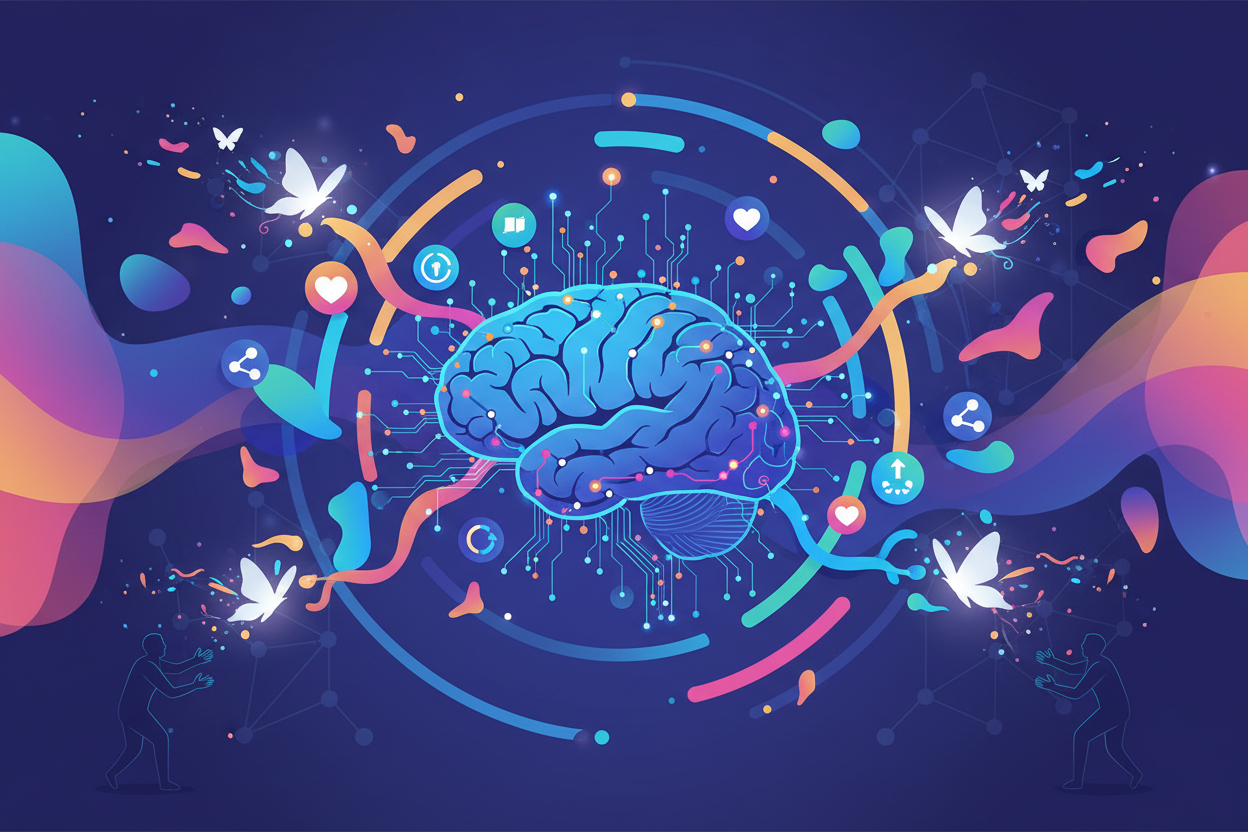
The Psychology Behind Viral Traffic: What Makes Content Spread 🚀
Table of Contents
• Introduction: The Viral Content Mystery
• The Science of Sharing: How Our Brains Work
• Emotional Triggers That Drive Viral Content
• The Power of Social Currency and Status
• Timing and Context: When Lightning Strikes
• The Role of Storytelling in Viral Success
• Platform-Specific Psychology
• Creating Viral Content: Practical Strategies
• Conclusion: Mastering the Art of Viral Psychology
• Frequently Asked Questions
Introduction: The Viral Content Mystery 🧠
Have you ever wondered why some content explodes across the internet while similar posts barely get noticed? I’ve spent years analyzing viral phenomena, and let me tell you – it’s not just luck. There’s a fascinating psychology behind what makes content spread like wildfire through our digital networks.

Every day, millions of pieces of content compete for our attention. Yet only a tiny fraction achieves that coveted “viral” status. The secret lies in understanding how our brains are wired to share, connect, and engage with information that resonates on a deeper psychological level.
In this comprehensive guide, we’ll dive deep into the psychological mechanisms that drive viral traffic, exploring the emotional triggers, social dynamics, and cognitive biases that transform ordinary content into internet sensations. Whether you’re a content creator, marketer, or simply curious about digital behavior, understanding these principles will change how you view online engagement forever.
The Science of Sharing: How Our Brains Work 🧪
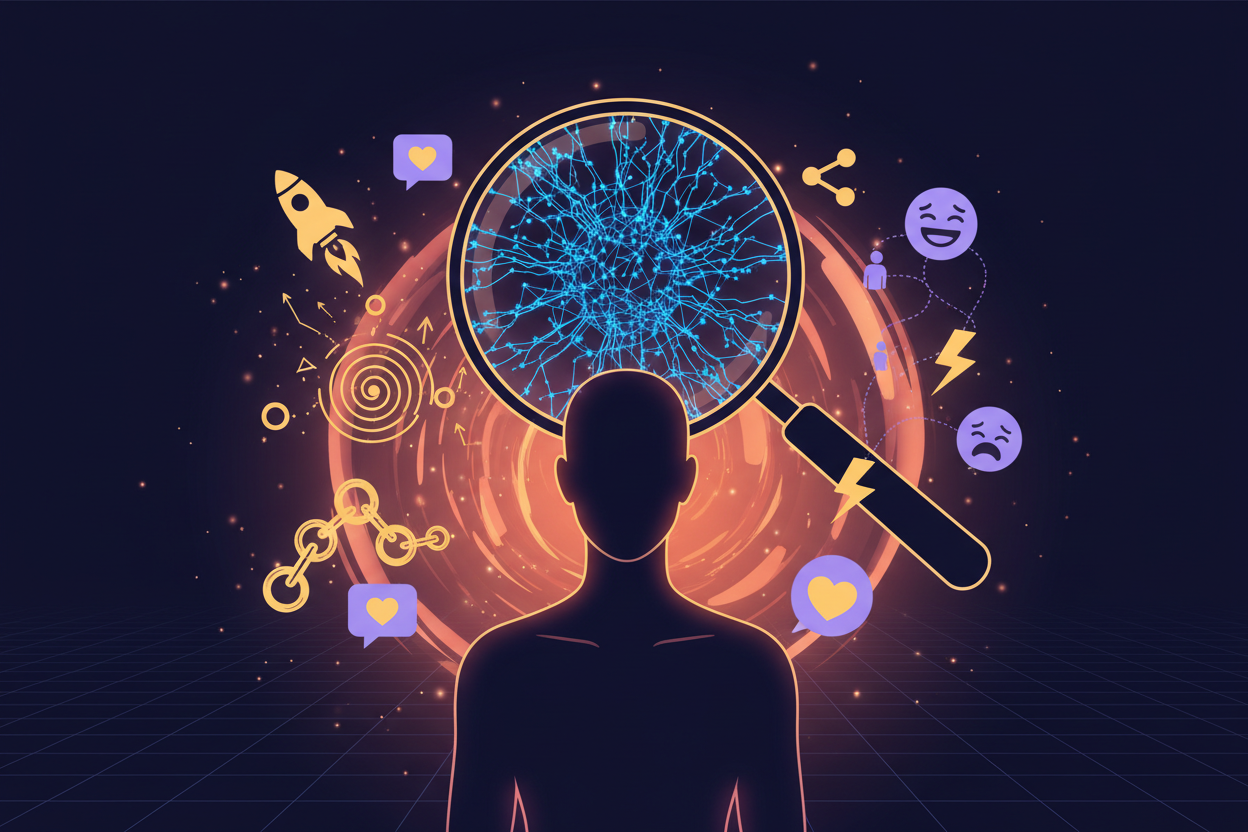
Before we explore specific triggers, let’s understand the fundamental psychology of sharing. When we encounter content online, our brains make split-second decisions based on evolutionary programming that’s thousands of years old.
Research from the University of Pennsylvania shows that sharing content activates the same neural pathways associated with reward and pleasure. When we share something, our brains release dopamine – the same chemical that makes us feel good when we eat chocolate or receive a compliment.
But here’s where it gets interesting: we don’t just share randomly. Our brains are constantly evaluating content through three key filters:
The Relevance Filter: Does this matter to me or my social circle?
The Emotion Filter: How does this make me feel?
The Social Filter: How will sharing this reflect on me?
Content that successfully passes through all three filters has a much higher chance of going viral. It’s like having the perfect key for three different locks simultaneously.
Emotional Triggers That Drive Viral Content ❤️
Emotions are the fuel of viral content. But not all emotions are created equal when it comes to sharing behavior. Dr. Jonah Berger’s groundbreaking research identified specific emotional states that increase sharing likelihood:
High-Arousal Positive Emotions: Awe, excitement, and amusement top the list. Think about the last time you shared a breathtaking sunset photo or a hilarious meme. These emotions create an immediate urge to connect with others.
High-Arousal Negative Emotions: Anger and anxiety, while negative, also drive significant sharing. Political content often goes viral because it triggers these intense emotions, compelling people to spread awareness or rally support.
The Surprise Factor: Our brains are wired to pay attention to unexpected information. Content that defies expectations or reveals surprising truths has a natural advantage in the viral lottery.
I’ve noticed that the most successful viral content often combines multiple emotional triggers. A heartwarming rescue video might blend awe (the dramatic rescue), joy (the happy ending), and surprise (an unexpected twist), creating an emotional cocktail that’s impossible to resist sharing.
The Power of Social Currency and Status 💎
Here’s a truth that might make you uncomfortable: we often share content not because we genuinely care about it, but because of how it makes us look. This concept, known as social currency, is one of the most powerful drivers of viral behavior.
When we share content, we’re essentially saying something about ourselves. That witty article you shared? You’re signaling your intelligence. That environmental awareness post? You’re displaying your values. That exclusive behind-the-scenes video? You’re showing you’re in-the-know.
Viral content often succeeds because it helps people craft their digital identity. It provides them with social currency – making them appear smarter, funnier, more caring, or more informed than their peers.
The Knowledge Premium: People love sharing content that makes them feel like insiders. “Did you know?” posts and little-known facts spread rapidly because they allow sharers to position themselves as knowledgeable.
The Values Signal: Content that aligns with someone’s beliefs or causes provides an opportunity to publicly display their values, strengthening their social identity within their community.
Timing and Context: When Lightning Strikes ⚡
Even the most psychologically optimized content can fall flat without proper timing. The viral ecosystem is incredibly sensitive to context, current events, and social momentum.
The Zeitgeist Effect: Content that taps into current cultural conversations has a significant advantage. During major events, people are primed to share related content as they process collective experiences together.
Platform Peak Hours: Each social media platform has optimal posting times when user engagement peaks. But beyond basic timing, understanding when your audience is emotionally receptive is crucial.
I’ve observed that viral content often emerges during moments of collective uncertainty or celebration. People share more during times of social tension (elections, crises) or joy (holidays, achievements) because they’re seeking connection and validation from their communities.
The Cascade Effect: Once content gains initial momentum, it creates a psychological cascade. People are more likely to share content that others have already shared, creating a snowball effect that can lead to explosive growth.
The Role of Storytelling in Viral Success 📚
Humans are storytelling creatures. Our brains are literally wired to process and remember information in narrative form. Viral content almost always tells a story – even if it’s just a single image with an implied narrative.
The Hero’s Journey: Many viral stories follow classic narrative structures. Someone faces a challenge, overcomes obstacles, and achieves transformation. These archetypal patterns resonate across cultures and demographics.
Relatable Characters: People share stories featuring characters they can identify with or aspire to become. The more relatable the protagonist, the higher the sharing potential.
Emotional Arc: Successful viral stories take audiences on an emotional journey. They create tension, build anticipation, and deliver satisfying resolutions that leave people wanting to share the experience.
Consider how many viral videos follow this pattern: initial setup, rising tension, climactic moment, and satisfying conclusion. It’s the same structure that’s captivated humans since we first gathered around campfires.
Platform-Specific Psychology 📱
Different social platforms trigger different psychological responses, and successful viral content adapts to these unique environments.
Facebook Psychology: Facebook users share content that reflects their identity and strengthens relationships. Family moments, political views, and lifestyle choices dominate viral content here.
Twitter Dynamics: Twitter’s fast-paced environment rewards wit, timeliness, and brevity. Viral tweets often provide clever commentary on current events or offer quotable wisdom.
Instagram Appeal: Visual platforms like Instagram tap into our desire for aesthetic pleasure and lifestyle aspiration. Viral content here often showcases beauty, success, or artistic creativity.
TikTok Phenomena: TikTok’s algorithm and format favor content that’s immediately engaging, easily replicable, and taps into trends. The platform’s psychology revolves around participation and creative expression.
Creating Viral Content: Practical Strategies 🎯
Understanding the psychology is just the beginning. Here are actionable strategies for applying these insights:
Lead with Emotion: Before creating content, identify the primary emotion you want to evoke. Build your entire piece around triggering and amplifying that emotional response.
Craft Compelling Headlines: Your headline should promise an emotional payoff or valuable insight. Use power words that trigger curiosity, urgency, or surprise.
Include Social Proof: People are more likely to engage with content that others have already validated. Showcase existing engagement, testimonials, or social endorsements.
Make It Shareable: Ask yourself: “What would motivate someone to share this?” Ensure your content provides clear social currency value.
Optimize for Each Platform: Adapt your content format, tone, and messaging to match the psychological expectations of each social media platform.
Time It Right: Monitor current events, trending topics, and your audience’s behavior patterns to identify optimal posting opportunities.
Conclusion: Mastering the Art of Viral Psychology 🎨
Creating viral content isn’t about gaming the system – it’s about understanding human nature at its most fundamental level. The psychology behind viral traffic reveals that we share content that makes us feel connected, valued, and understood.
The most successful content creators intuitively grasp these psychological principles, crafting messages that resonate with our deepest emotional and social needs. They understand that behind every click, share, and comment is a human being seeking connection, validation, or entertainment.
As you apply these insights, remember that viral success isn’t guaranteed – and that’s okay. The goal isn’t just to create content that spreads, but to create content that genuinely serves your audience’s psychological and emotional needs. When you focus on authentic human connection rather than just viral mechanics, you’re more likely to build lasting engagement and meaningful relationships with your audience.
The next time you see content going viral, take a moment to analyze it through this psychological lens. What emotions is it triggering? What social currency is it providing? How is it telling a story? Understanding these patterns will make you not just a better content creator, but a more conscious consumer of the digital world around us.
Frequently Asked Questions 🤔
Q: Can any content go viral, or are there certain types that work better?
A: While any content can theoretically go viral, certain types have higher success rates. Visual content, emotional stories, practical tips, and content that taps into current trends tend to perform better because they align with natural sharing psychology.
Q: How long does it typically take for content to go viral?
A: Viral content usually gains momentum within the first 24-48 hours, though some content can experience delayed viral success weeks or months later when it resurfaces in the right context. The key is achieving that initial critical mass of engagement.
Q: Is it possible to predict what will go viral?
A: While we can’t predict with 100% certainty, understanding psychological triggers significantly improves the odds. Content that combines strong emotional appeal, social currency value, and perfect timing has the best chance of viral success.
Q: Do viral content strategies work the same across all demographics?
A: No, different demographics respond to different psychological triggers. Age, culture, interests, and platform preferences all influence what resonates with specific audiences. Successful viral strategies often segment their approach based on target demographics.
Q: What’s the difference between viral content and engaging content?
A: Engaging content consistently performs well with your existing audience, while viral content breaks through to reach new audiences exponentially. Viral content typically has a broader appeal and stronger emotional triggers that compel sharing beyond your immediate network.


