

The Art of Native Advertising: Promoting Without Interrupting 📱
In today’s digital landscape, consumers have become masters at ignoring traditional advertisements. Banner blindness is real, ad blockers are everywhere, and people are increasingly skeptical of obvious promotional content. This is where native advertising steps in as the sophisticated solution that respects your audience while effectively promoting your brand. Let’s dive deep into this game-changing marketing approach that’s revolutionizing how brands connect with their customers.
Table of Contents 📋
• What Is Native Advertising and Why Does It Matter?
• The Psychology Behind Native Advertising Success
• Types of Native Advertising That Actually Work
• Crafting Compelling Native Content
• Best Practices for Ethical Native Advertising
• Measuring Success in Native Advertising Campaigns
• Common Pitfalls to Avoid
• The Future of Native Advertising
• Frequently Asked Questions
What Is Native Advertising and Why Does It Matter? 🎯
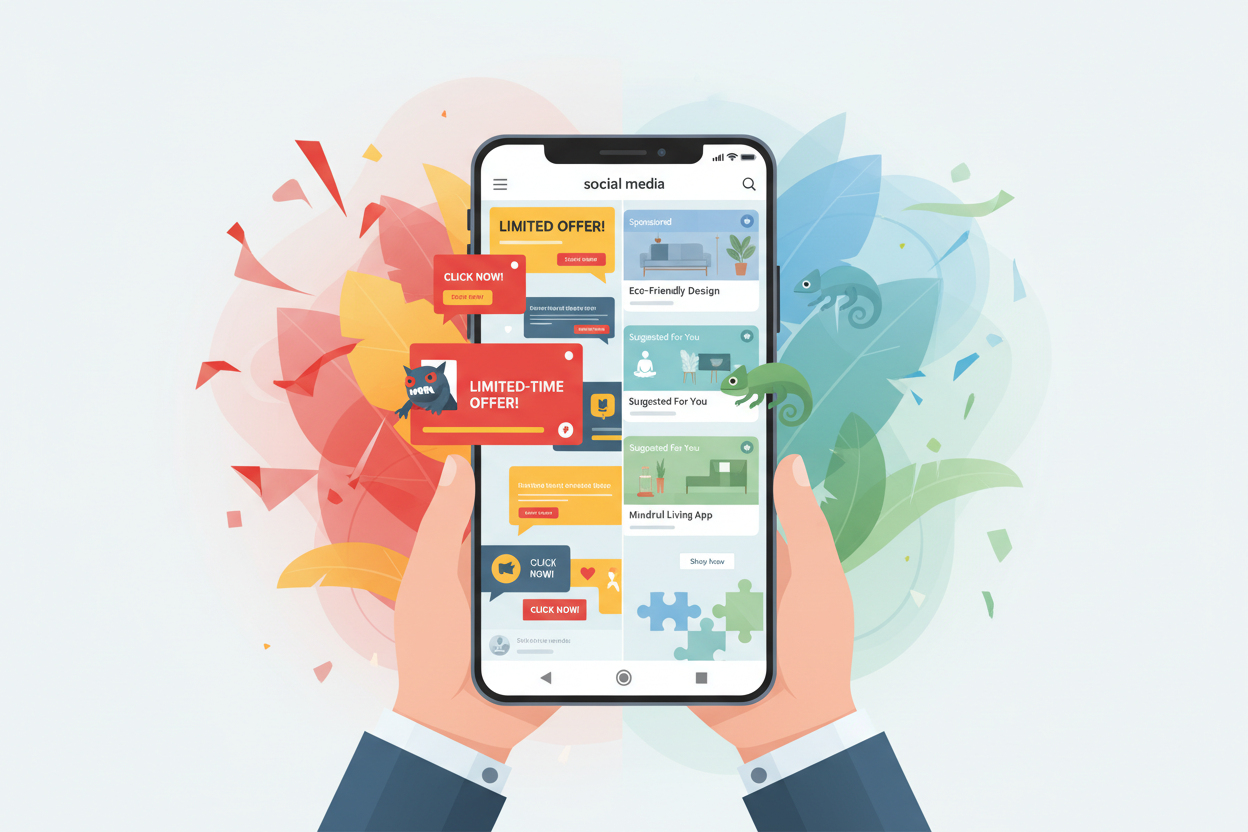
Native advertising is the art of creating promotional content that seamlessly blends with the platform’s natural content flow. Unlike traditional ads that scream “look at me,” native ads whisper “let me help you” while providing genuine value to the reader.
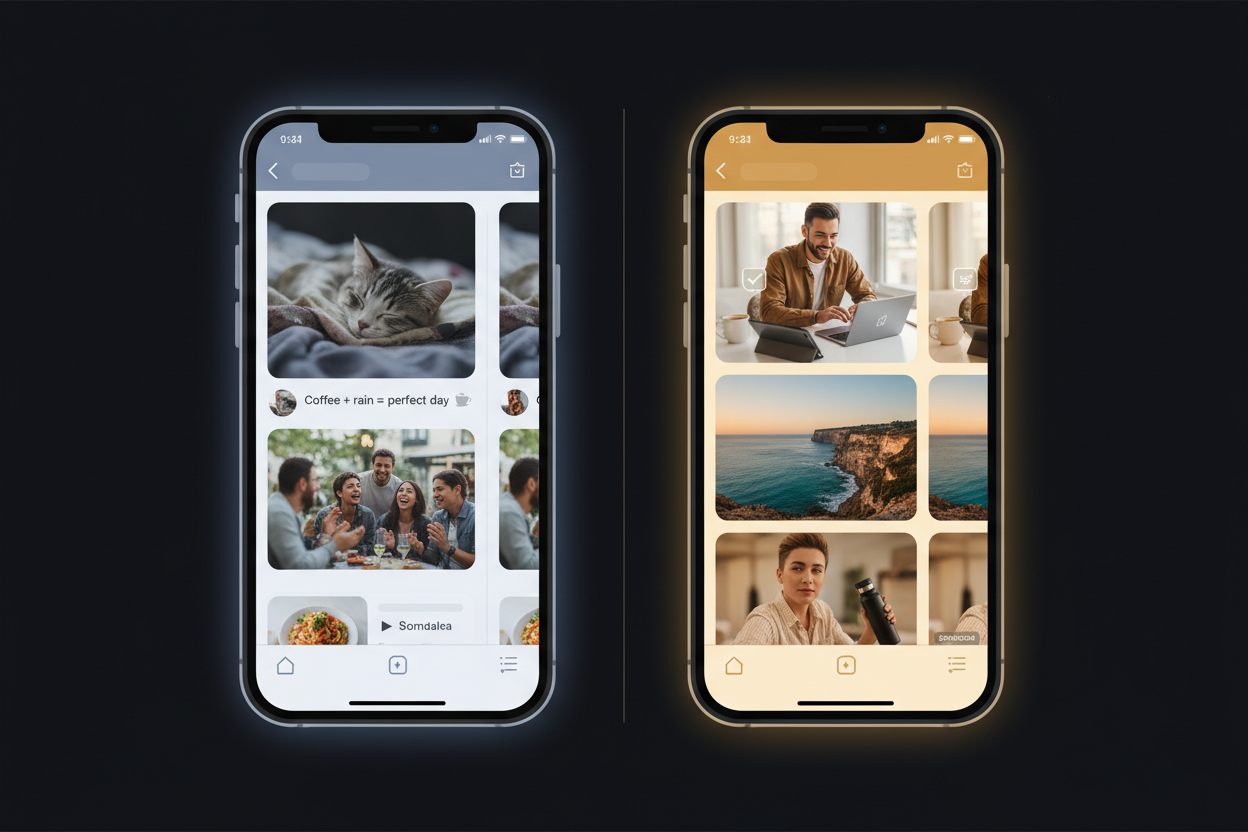
Think about the last time you scrolled through your social media feed. You probably encountered several native ads without even realizing it – that sponsored post about productivity tips, the “recommended for you” article about travel destinations, or the influencer’s authentic product review. That’s native advertising at work.
The beauty of native advertising lies in its non-disruptive nature. Instead of interrupting the user experience, it enhances it by providing relevant, valuable content that happens to align with your brand’s message. This approach has proven incredibly effective, with studies showing that native ads receive 53% more views than traditional display ads.
The Psychology Behind Native Advertising Success 🧠
Understanding why native advertising works requires diving into consumer psychology. When people encounter obvious advertisements, their mental defenses go up immediately. This phenomenon, known as “advertising reactance,” causes consumers to actively resist promotional messages.
Native advertising bypasses this resistance by presenting information in a format that feels natural and helpful rather than promotional. It taps into our innate desire for valuable content while subtly introducing brand messages. The key is that the content must genuinely serve the audience’s interests first.
Research in cognitive psychology shows that we process information more favorably when it doesn’t feel like we’re being sold to. Native ads leverage this by focusing on education, entertainment, or problem-solving rather than direct product promotion.
Types of Native Advertising That Actually Work 🚀
Native advertising comes in various forms, each with its unique strengths and applications. Understanding these different types helps you choose the right approach for your brand and audience.
Sponsored Content Articles: These are editorial-style pieces that provide valuable information while subtly incorporating your brand message. They work exceptionally well on news sites, blogs, and industry publications.
Social Media Sponsored Posts: These ads appear directly in users’ feeds, matching the look and feel of organic posts. The most successful ones focus on storytelling and authentic experiences rather than direct sales pitches.
Recommendation Widgets: You’ve seen these at the bottom of articles – “You might also like” or “Recommended for you” sections. They drive traffic to branded content that provides value while promoting your products or services.
Influencer Collaborations: When done authentically, influencer partnerships create native content that feels personal and trustworthy. The key is ensuring the collaboration feels natural to the influencer’s usual content style.
Video Native Ads: These blend seamlessly with platform-native video content, whether on YouTube, TikTok, or LinkedIn. They often take the form of tutorials, behind-the-scenes content, or educational videos.
Crafting Compelling Native Content ✍️
Creating effective native advertising content requires a delicate balance between providing value and promoting your brand. Here’s how to master this balance:
Start with Value, Not Sales: Your primary goal should be to solve a problem, answer a question, or entertain your audience. The promotional aspect should feel like a natural extension of this value.
Match the Platform’s Voice: Each platform has its unique tone and style. LinkedIn content should feel professional and insightful, while TikTok content should be fun and engaging. Your native ads must adapt to these environments.
Tell Stories, Don’t Sell Products: Humans are wired to respond to stories. Share customer success stories, behind-the-scenes glimpses, or educational journeys that naturally incorporate your brand.
Focus on Education: Educational content performs exceptionally well in native advertising. Create how-to guides, industry insights, or trend analyses that position your brand as a helpful authority.
Use Data and Research: Back your content with credible data and research. This not only adds value but also builds trust with your audience, making them more receptive to your brand message.
Best Practices for Ethical Native Advertising 🤝
With great power comes great responsibility. Native advertising’s effectiveness makes ethical practices even more crucial. Here’s how to maintain trust while promoting your brand:
Always Disclose Sponsored Content: Transparency is non-negotiable. Use clear labels like “Sponsored,” “Paid Partnership,” or “Advertisement” to maintain trust with your audience and comply with regulations.
Maintain Editorial Integrity: Don’t sacrifice accuracy or honesty for promotional goals. Your content should be factual, balanced, and genuinely helpful, even when it’s sponsored.
Respect Platform Guidelines: Each platform has specific rules about native advertising. Familiarize yourself with these guidelines and follow them religiously to avoid penalties.
Prioritize Audience Value: If your content doesn’t provide genuine value to the audience, it’s not good native advertising – it’s just disguised promotion. Always ask yourself: “Would I find this helpful even if I wasn’t being sold to?”
Measuring Success in Native Advertising Campaigns 📊
Traditional advertising metrics don’t always apply to native advertising. Here’s how to measure what really matters:
Engagement Metrics: Look beyond clicks to measure time spent reading, social shares, comments, and other engagement indicators. These show whether your content truly resonates with your audience.
Brand Awareness Lift: Use surveys and brand tracking studies to measure how native advertising impacts brand recognition and perception over time.
Content Performance: Track which types of native content perform best for your brand. This helps you refine your strategy and create more effective campaigns.
Conversion Quality: While native advertising might generate fewer immediate conversions than direct response ads, the leads it generates are often higher quality and more likely to become long-term customers.
Cost Per Engagement: Calculate how much you’re spending to generate meaningful interactions with your content. This often provides better ROI insights than traditional cost-per-click metrics.
Common Pitfalls to Avoid ⚠️
Even well-intentioned native advertising campaigns can go wrong. Here are the most common mistakes and how to avoid them:
Being Too Promotional: The biggest mistake is making your native ad feel like a traditional advertisement. If readers immediately recognize it as promotional content, you’ve lost the native advantage.
Ignoring Platform Culture: What works on one platform won’t necessarily work on another. Each platform has its own culture, and your content must respect and adapt to it.
Misleading Headlines: Clickbait headlines might drive initial traffic, but they damage trust and lead to high bounce rates. Your headlines should accurately represent your content.
Insufficient Disclosure: Failing to properly disclose sponsored content isn’t just unethical – it’s illegal in many jurisdictions and can result in significant penalties.
One-Size-Fits-All Content: Different audiences respond to different approaches. Segment your audience and create tailored native content for each group.
The Future of Native Advertising 🔮
Native advertising continues to evolve with changing technology and consumer preferences. Here’s what’s on the horizon:
AI-Powered Personalization: Artificial intelligence will enable more sophisticated personalization of native content, making it even more relevant to individual users.
Interactive Native Formats: We’re seeing more interactive native ads that engage users through polls, quizzes, and immersive experiences.
Voice and Audio Native Advertising: As voice search and podcast consumption grow, native advertising is adapting to these audio-first formats.
Privacy-First Approaches: With increasing privacy concerns, native advertising will need to balance personalization with user privacy, likely leading to more contextual and less personally targeted approaches.
Cross-Platform Integration: Future native advertising campaigns will seamlessly integrate across multiple platforms, creating cohesive user experiences regardless of where consumers encounter your content.
Conclusion: Mastering the Art of Subtle Promotion 🎨
Native advertising represents a fundamental shift in how brands communicate with their audiences. It’s not just about being less intrusive – it’s about being more valuable, more relevant, and more respectful of your audience’s time and intelligence.
The most successful native advertising campaigns don’t feel like advertising at all. They feel like helpful content that happens to come from a brand you can trust. This approach builds long-term relationships rather than just driving immediate sales.
As you embark on your native advertising journey, remember that success comes from genuinely caring about your audience’s needs and interests. When you focus on providing value first, the promotional benefits will naturally follow. The art of native advertising isn’t about hiding your promotional intent – it’s about making that intent align perfectly with your audience’s desires for helpful, engaging content.
Start small, test different approaches, and always prioritize transparency and value. With patience and practice, you’ll master the delicate art of promoting without interrupting, building stronger relationships with your audience while achieving your marketing goals. 🌟
Frequently Asked Questions ❓
Q: How do I ensure my native ads don’t violate platform policies?
A: Always read and follow each platform’s advertising guidelines, clearly label sponsored content, and when in doubt, err on the side of more transparency rather than less.
Q: What’s the difference between native advertising and content marketing?
A: While both focus on valuable content, native advertising is typically paid placement that mimics the platform’s organic content, while content marketing is often owned media designed to attract and engage audiences.
Q: How much should I budget for native advertising?
A: Start with 10-20% of your digital advertising budget for native ads, then adjust based on performance. Native advertising often requires higher upfront content creation costs but can deliver better long-term ROI.
Q: Can small businesses effectively use native advertising?
A: Absolutely! Small businesses can create effective native content by focusing on their unique expertise and local knowledge. Start with one platform and scale gradually as you see results.
Q: How do I measure the ROI of native advertising campaigns?
A: Focus on engagement metrics, brand awareness lift, and long-term customer value rather than just immediate conversions. Native advertising often has a longer attribution window than direct response advertising.


