

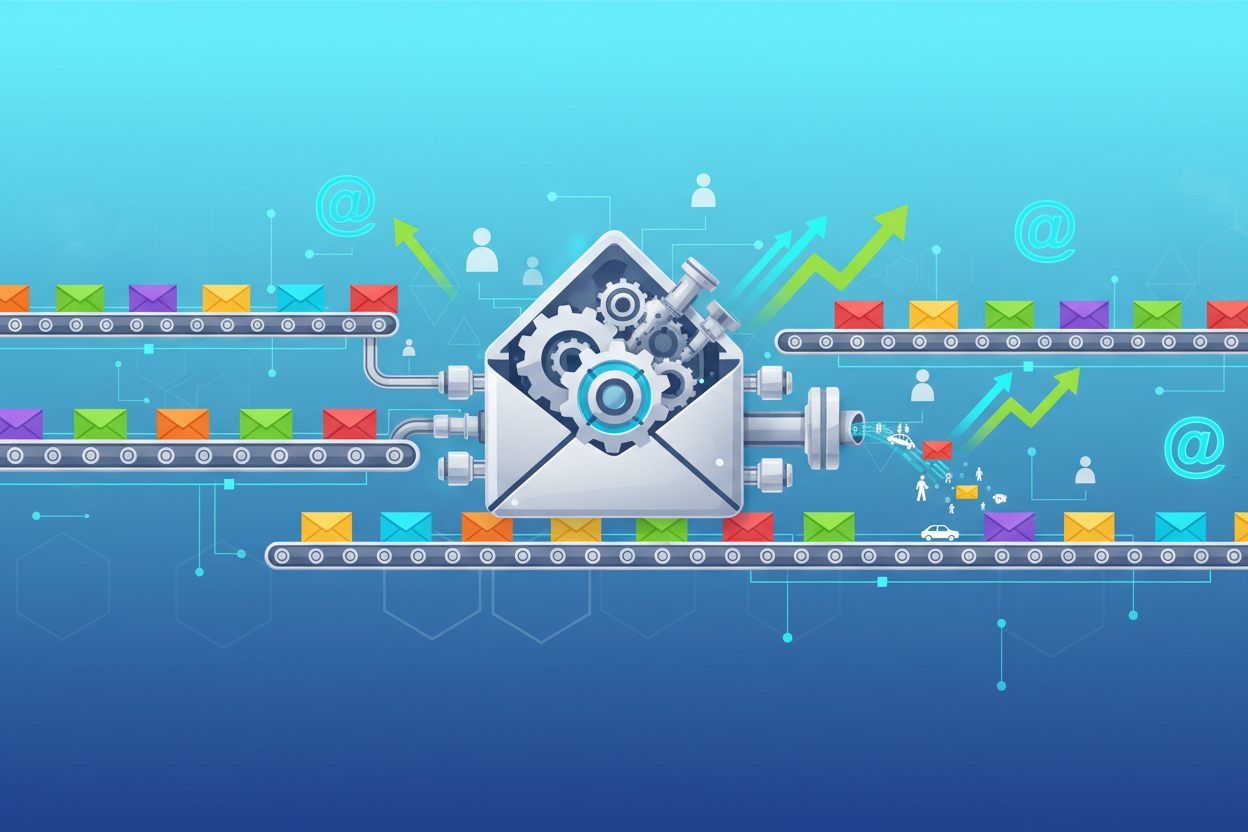
Building an Email List: Your Own Traffic Generation Machine 🚀
Table of Contents
1. Introduction
2. Why Email Marketing Still Dominates Digital Marketing
3. Understanding Your Target Audience
4. Creating Irresistible Lead Magnets
5. Optimizing Your Opt-in Forms for Maximum Conversions
6. Strategic Email List Building Tactics
7. Nurturing Your Email Subscribers
8. Measuring and Improving Your Email Marketing Performance
9. Common Email List Building Mistakes to Avoid
10. Conclusion
11. Frequently Asked Questions
Introduction
Picture this: You wake up Monday morning, grab your coffee, and check your analytics. Overnight, while you were sleeping, your email list drove hundreds of visitors to your website, generated dozens of leads, and brought in thousands in revenue. Sounds like a dream, right? Well, it doesn’t have to be! 💪

Building an email list isn’t just another marketing tactic—it’s your very own traffic generation machine that works around the clock. Unlike social media algorithms that change faster than fashion trends, or paid advertising that stops the moment you stop paying, your email list is something you truly own.
I’ve been in the digital marketing trenches for years, and I can tell you with absolute certainty: businesses that master email list building have a massive competitive advantage. They’re not at the mercy of Google’s latest algorithm update or Facebook’s changing policies. They have direct access to their audience whenever they need it.

In this comprehensive guide, we’ll explore how to build an email list that becomes your most reliable source of traffic, leads, and revenue. Ready to transform your marketing game? Let’s dive in! 🎯
Why Email Marketing Still Dominates Digital Marketing
Before we jump into the how-to, let’s talk about why email marketing remains the undisputed champion of digital marketing channels. Despite what you might hear about email being “dead,” the numbers tell a completely different story.
Email marketing delivers an average ROI of $42 for every $1 spent—that’s a 4,200% return on investment! Compare that to social media marketing, which typically delivers around $2.80 for every dollar invested. The difference is staggering, and it’s not even close.
But here’s what really gets me excited about email marketing: ownership. When you build an email list, you’re building an asset that belongs to you. Social media platforms can disappear overnight (remember Vine?), search engines can change their algorithms, but your email list? That’s yours forever.
Think about your own behavior for a moment. How many times do you check your email each day? If you’re like most people, it’s probably dozens of times. Email has become ingrained in our daily routines in a way that no other communication channel has achieved.
Understanding Your Target Audience
Building an effective email list starts with understanding exactly who you want to attract. This isn’t about casting the widest net possible—it’s about attracting the right people who will genuinely benefit from what you offer.
Start by creating detailed buyer personas. I’m talking about going deep here. What keeps your ideal subscriber awake at 2 AM? What are their biggest challenges? What solutions are they desperately seeking? The more specific you get, the better you can tailor your list-building efforts.
One exercise I love doing with clients is the “day in the life” scenario. We literally map out what a typical Tuesday looks like for their ideal subscriber. When do they check email? What websites do they visit? What problems are they trying to solve throughout their day?
This level of understanding transforms everything. Instead of generic opt-in offers like “Subscribe to our newsletter,” you can create laser-focused lead magnets that speak directly to their specific pain points and desires.
Creating Irresistible Lead Magnets
Here’s a hard truth: nobody cares about your newsletter. I know that might sting a little, but it’s important to understand. People don’t give away their email addresses for the privilege of receiving your weekly updates. They exchange their contact information for something valuable—something that solves a problem or helps them achieve a goal. 🎁
The most effective lead magnets share three characteristics: they’re specific, they’re immediately useful, and they provide quick wins. Let me give you some examples that work incredibly well:
Checklists and Templates: These are absolute gold because they save people time and effort. A “30-Point Website Launch Checklist” or a “Email Marketing Campaign Template” gives immediate value.
Free Courses or Challenges: People love structured learning experiences. A 7-day email course on “Building Your First Sales Funnel” or a “21-Day Content Creation Challenge” can attract highly engaged subscribers.
Exclusive Content: Behind-the-scenes content, case studies, or industry reports that aren’t available anywhere else create a sense of exclusivity that people crave.
The key is to make sure your lead magnet directly relates to your core business offering. If you’re a fitness coach, don’t create a lead magnet about cooking unless it specifically ties into your fitness programs. You want to attract people who are likely to become customers, not just anyone with an email address.
Optimizing Your Opt-in Forms for Maximum Conversions
Even the most irresistible lead magnet won’t work if your opt-in forms are poorly designed or badly placed. This is where many businesses leave money on the table, and it breaks my heart to see it happen! 💔
Let’s start with placement. The most effective opt-in forms appear in multiple locations: embedded within your content, as exit-intent popups, in your website header, and at the end of blog posts. Don’t put all your eggs in one basket—test different placements to see what works best for your audience.
Your opt-in form copy needs to be compelling and benefit-focused. Instead of “Enter your email,” try “Get instant access to the strategies that helped me build a six-figure business.” See the difference? One focuses on what you want (their email), while the other focuses on what they get (valuable strategies).
Keep your forms simple. The fewer fields you require, the higher your conversion rates will be. In most cases, just asking for an email address is sufficient. You can always gather additional information later through your email sequences or surveys.
Design matters too. Your opt-in forms should stand out visually without being obnoxious. Use contrasting colors for your call-to-action buttons, ensure your forms are mobile-friendly, and test different designs to see what resonates with your audience.
Strategic Email List Building Tactics
Now that you have your foundation in place, let’s explore some advanced tactics that can supercharge your list building efforts. These strategies have helped my clients grow their lists from hundreds to tens of thousands of subscribers. 📈
Content Upgrades: This is one of my favorite tactics because it’s so effective. For each piece of content you create, offer a related bonus that requires an email signup. Writing about social media marketing? Offer a social media content calendar as a download.
Webinars and Live Events: Hosting webinars is like list-building on steroids. People are willing to provide their contact information for valuable live training. Plus, webinars allow you to build deeper relationships with your audience.
Referral Programs: Turn your existing subscribers into list-building ambassadors. Offer incentives for referrals—this could be exclusive content, discounts, or even cash rewards for successful referrals.
Strategic Partnerships: Collaborate with other businesses or influencers in your industry. Guest posting, podcast appearances, and joint ventures can expose you to entirely new audiences who are already interested in your niche.
Social Media Integration: Use your social media presence to drive email signups. Share snippets of your lead magnets on Instagram, create Facebook ads promoting your opt-ins, and use LinkedIn to connect with potential subscribers.
Nurturing Your Email Subscribers
Building your list is just the beginning. The real magic happens in how you nurture and engage with your subscribers. This is where many businesses drop the ball—they focus so much on acquisition that they forget about retention and engagement.
Your welcome email sequence is crucial. This is your first impression, and you want to make it count. I recommend a series of 5-7 emails that introduce yourself, deliver on your lead magnet promise, share your story, and begin building a relationship.
Consistency is key in email marketing. Whether you send emails daily, weekly, or monthly, stick to a schedule. Your subscribers should know when to expect to hear from you. This builds anticipation and keeps you top-of-mind.
Don’t just promote, promote, promote. Follow the 80/20 rule: 80% valuable, educational, or entertaining content, and 20% promotional content. Share industry insights, behind-the-scenes glimpses of your business, customer success stories, and helpful tips.
Personalization goes beyond just using someone’s first name. Segment your list based on interests, behavior, or demographics, and send targeted content that’s relevant to each segment. The more relevant your emails, the higher your engagement rates will be.
Measuring and Improving Your Email Marketing Performance
What gets measured gets managed, and email marketing is no exception. You need to track the right metrics to understand what’s working and what needs improvement. 📊
List Growth Rate: Track how quickly your list is growing month over month. A healthy list should grow by 10-25% monthly, depending on your industry and marketing efforts.
Open Rates: This tells you how compelling your subject lines are and how engaged your audience is. Industry averages vary, but aim for 20-25% or higher.
Click-Through Rates: This measures how many people are taking action on your emails. A good CTR is typically 2-5%, but again, this varies by industry.
Conversion Rates: Ultimately, this is what matters most. How many email subscribers are taking the desired action—making a purchase, signing up for a webinar, or downloading additional content?
List Health: Monitor your unsubscribe rates and spam complaints. High rates in these areas indicate you need to improve your content quality or sending frequency.
Use this data to continuously optimize your approach. Test different subject lines, email formats, sending times, and content types. Small improvements in these areas can lead to significant increases in overall performance.
Common Email List Building Mistakes to Avoid
In my years of helping businesses build their email lists, I’ve seen the same mistakes repeated over and over again. Let me save you some time and frustration by highlighting the biggest pitfalls to avoid. 🚫
Buying Email Lists: This is the biggest mistake you can make. Purchased lists have terrible engagement rates, can damage your sender reputation, and often violate anti-spam laws. Always build your list organically.
Weak Lead Magnets: Offering something generic like a “free newsletter” won’t cut it. Your lead magnet needs to be specific, valuable, and directly related to your business offerings.
Inconsistent Messaging: If your lead magnet promises one thing but your follow-up emails deliver something completely different, you’ll lose subscribers fast. Maintain consistency in your messaging and branding.
Ignoring Mobile Optimization: Over 60% of emails are opened on mobile devices. If your opt-in forms and emails aren’t mobile-friendly, you’re missing out on a huge portion of potential subscribers.
Not Having a Clear Strategy: Random, sporadic efforts won’t build a substantial email list. You need a clear strategy, consistent execution, and regular optimization.
Conclusion
Building an email list truly is like creating your own traffic generation machine—one that works 24/7 to grow your business. Unlike other marketing channels that you don’t control, your email list is an asset that belongs to you and grows more valuable over time.
Remember, this isn’t about quick fixes or overnight success. Building a quality email list takes time, effort, and consistency. But the payoff is enormous. When you have thousands of engaged subscribers who know, like, and trust you, you have the power to drive traffic, generate leads, and increase sales whenever you need to.
Start with understanding your audience deeply, create irresistible lead magnets that solve real problems, optimize your opt-in forms for maximum conversions, and then nurture your subscribers with valuable, consistent content. Measure your results, learn from your data, and continuously improve your approach.
The businesses that master email list building have a significant competitive advantage in today’s digital landscape. They’re not dependent on algorithm changes, they’re not at the mercy of advertising costs, and they have direct access to their audience whenever they need it.
Your email list building journey starts with a single subscriber. Focus on providing value, building relationships, and serving your audience, and watch as your list—and your business—grows exponentially. The traffic generation machine you build today will serve your business for years to come! 🌟
Frequently Asked Questions
Q: How often should I send emails to my list?
A: The frequency depends on your audience and industry, but consistency is more important than frequency. Whether it’s daily, weekly, or monthly, stick to a schedule. Most successful businesses send 1-3 emails per week to maintain engagement without overwhelming subscribers.
Q: What’s a good email list growth rate?
A: A healthy email list should grow by 10-25% per month. If you’re growing slower than 10%, you may need to improve your lead magnets or increase your marketing efforts. Growth rates above 25% are excellent but make sure you’re attracting quality subscribers, not just quantity.
Q: How do I know if my lead magnet is effective?
A: Track your opt-in conversion rates. A good conversion rate for opt-in forms is typically 2-5%, but this can vary by industry. If your conversion rates are low, test different lead magnets, improve your copy, or adjust your form placement.
Q: Should I segment my email list?
A: Absolutely! Segmentation allows you to send more relevant, targeted content to different groups of subscribers. You can segment based on interests, behavior, demographics, or where subscribers are in your sales funnel. Segmented campaigns typically see 14% higher open rates and 100% higher click-through rates.
Q: What’s the best email marketing platform for beginners?
A: For beginners, I recommend platforms like Mailchimp, ConvertKit, or AWeber. They offer user-friendly interfaces, good deliverability, and essential features like automation and segmentation. Choose based on your budget, technical comfort level, and specific feature needs.
Q: How long should my emails be?
A: Email length should match your content and audience preferences. Generally, 50-125 words work well for promotional emails, while 200-300 words are good for educational content. The key is providing value regardless of length—some of the most effective emails I’ve seen are just one sentence, while others are several paragraphs long.


